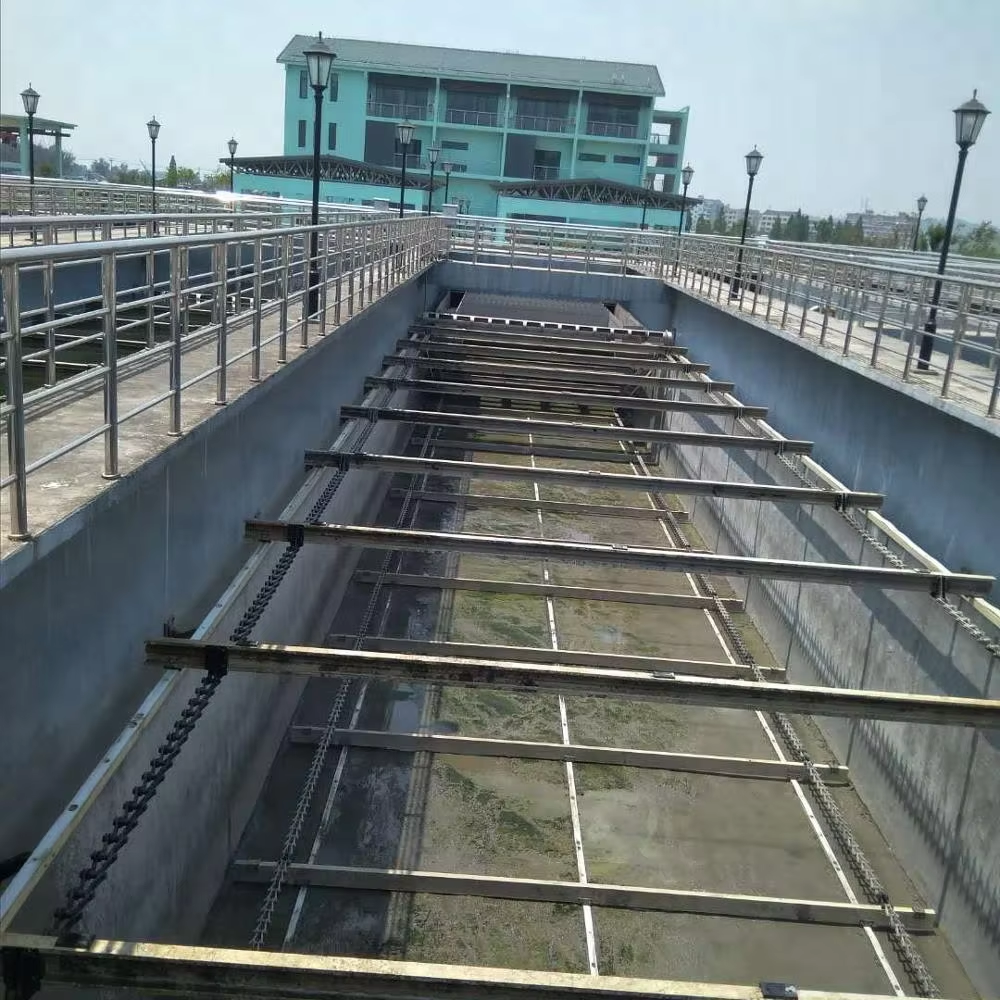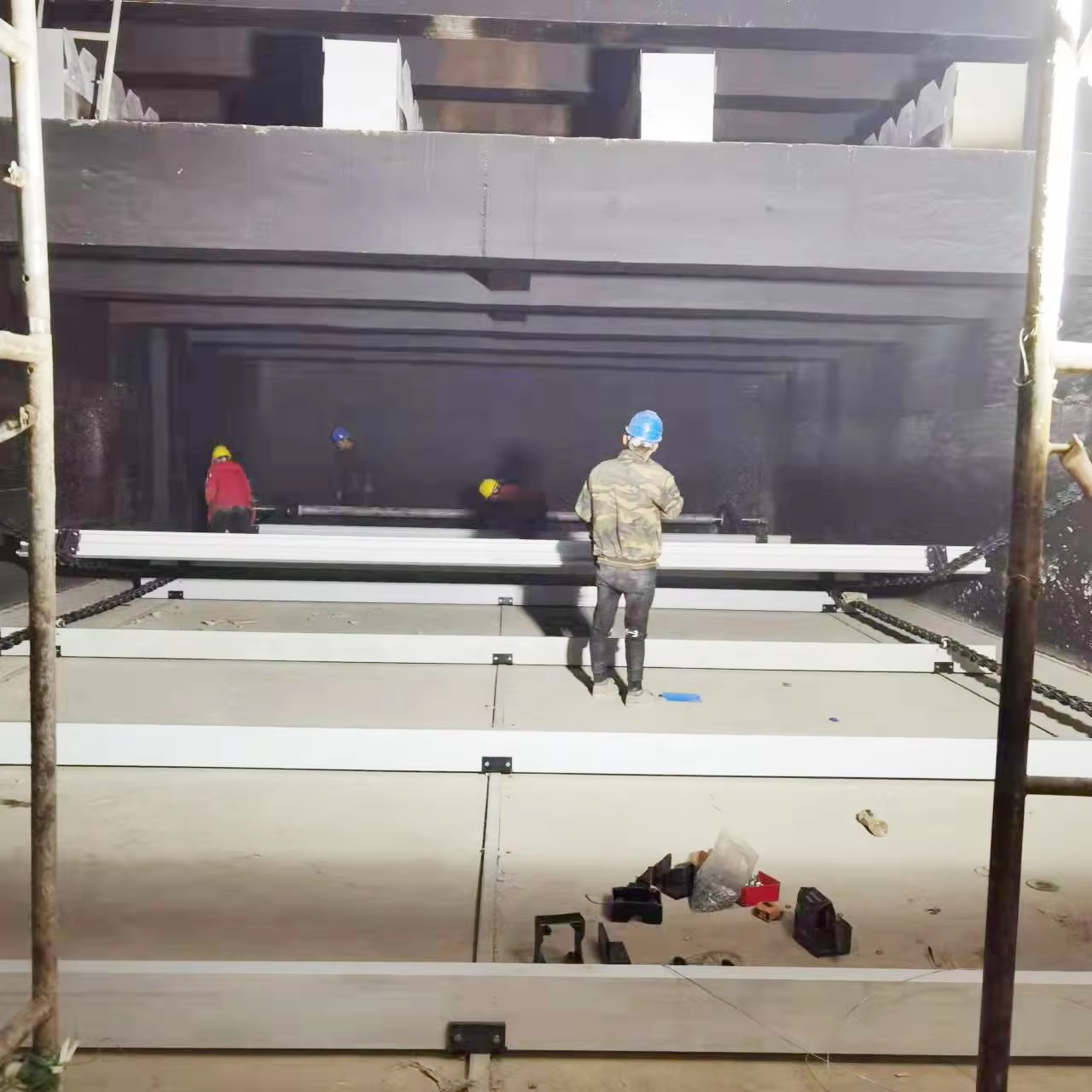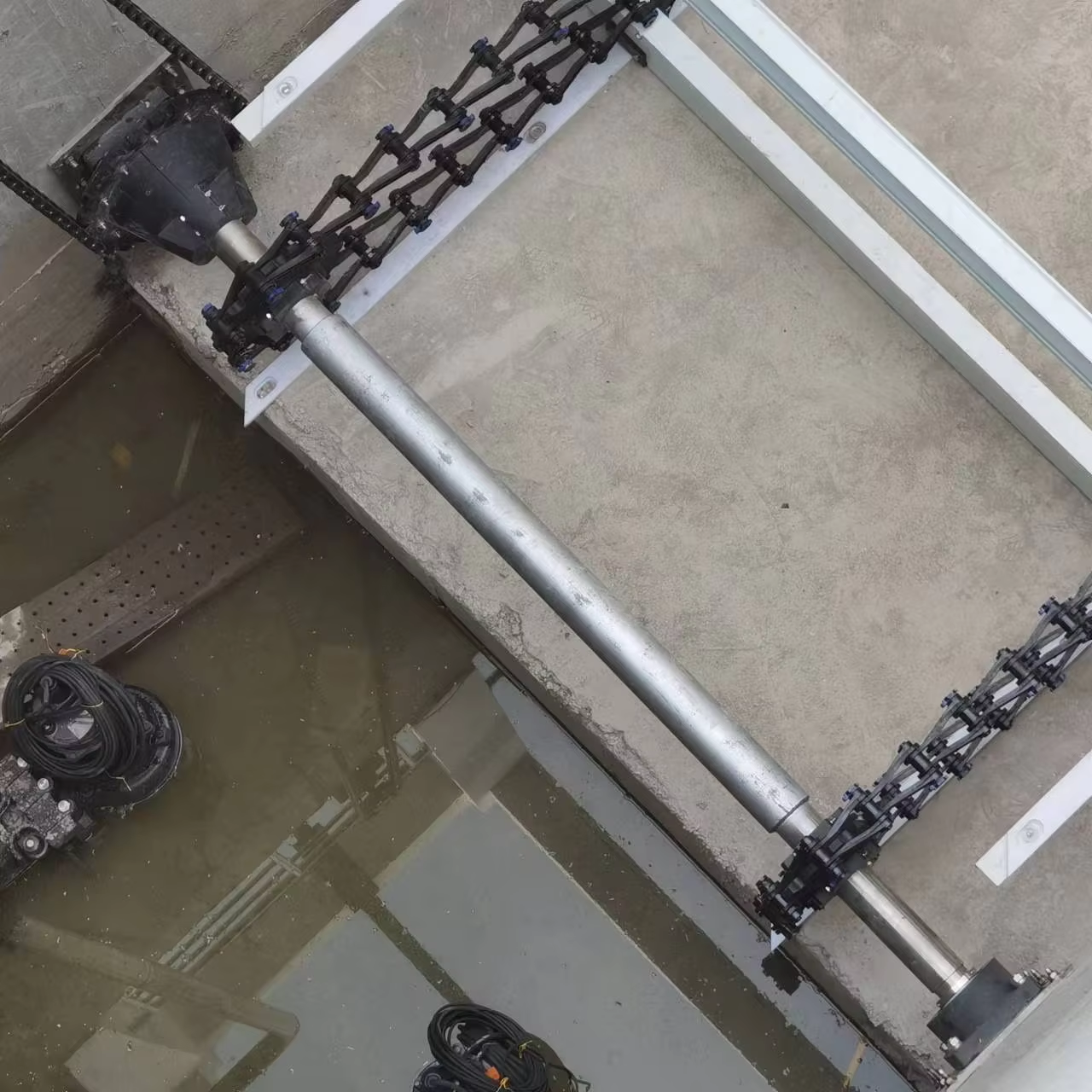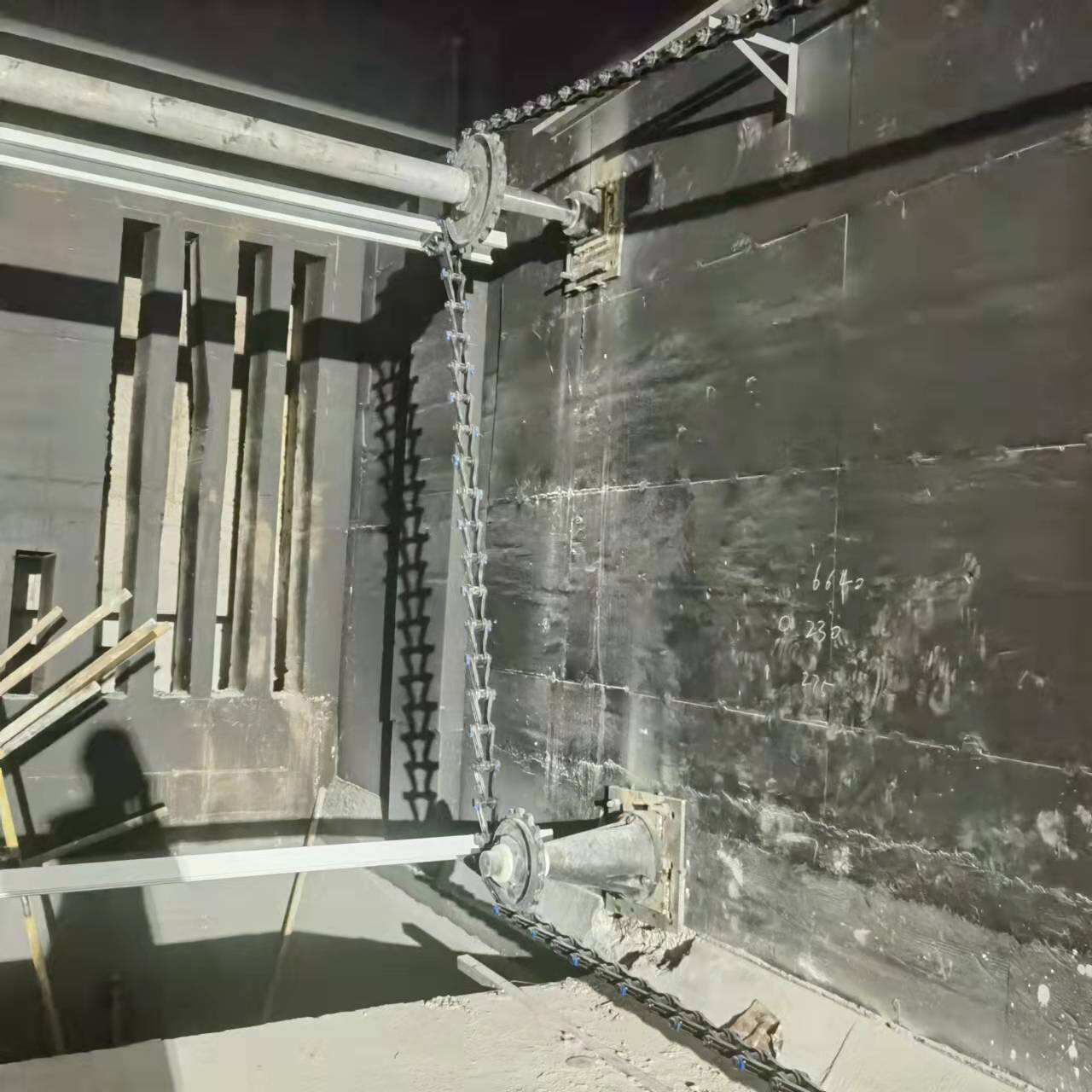
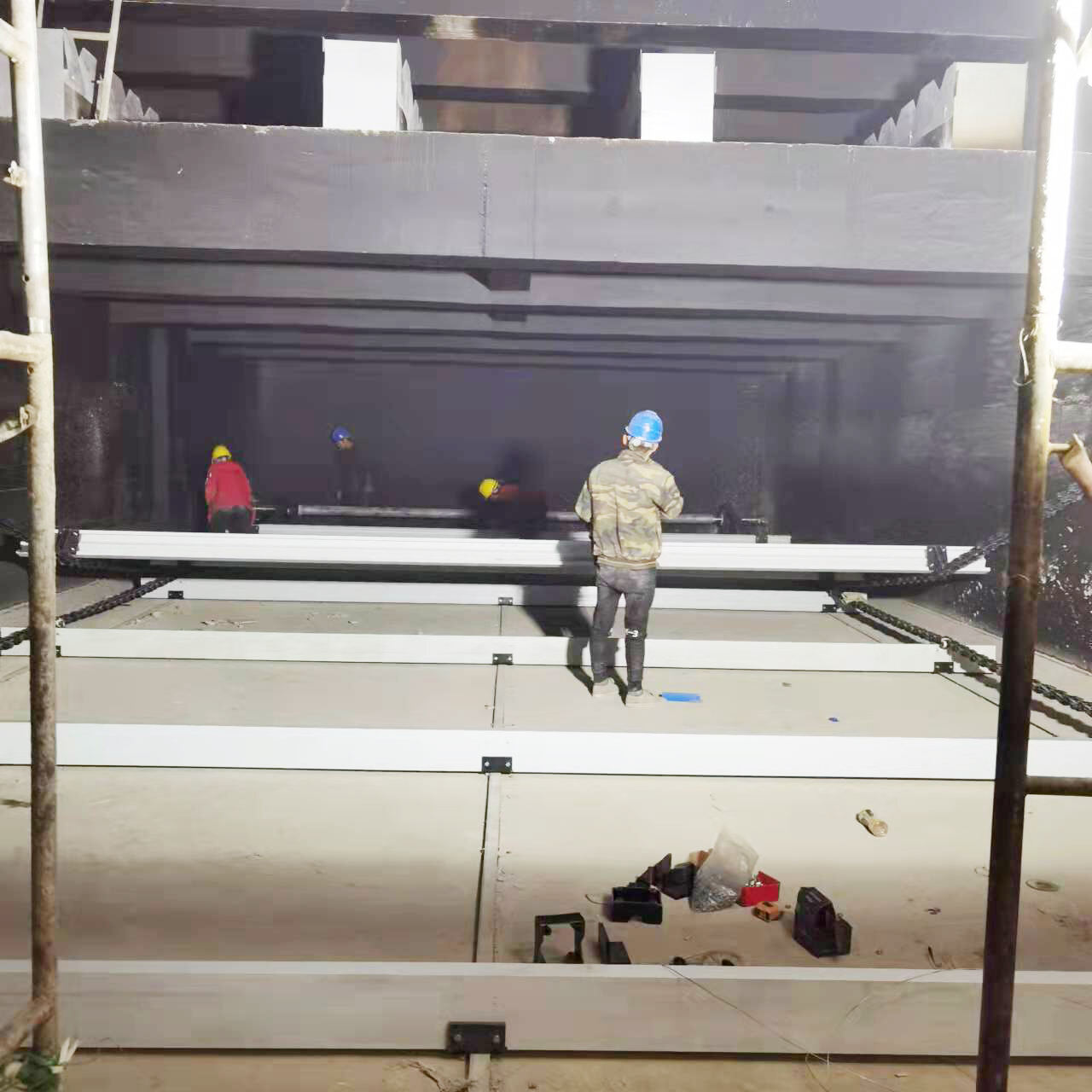
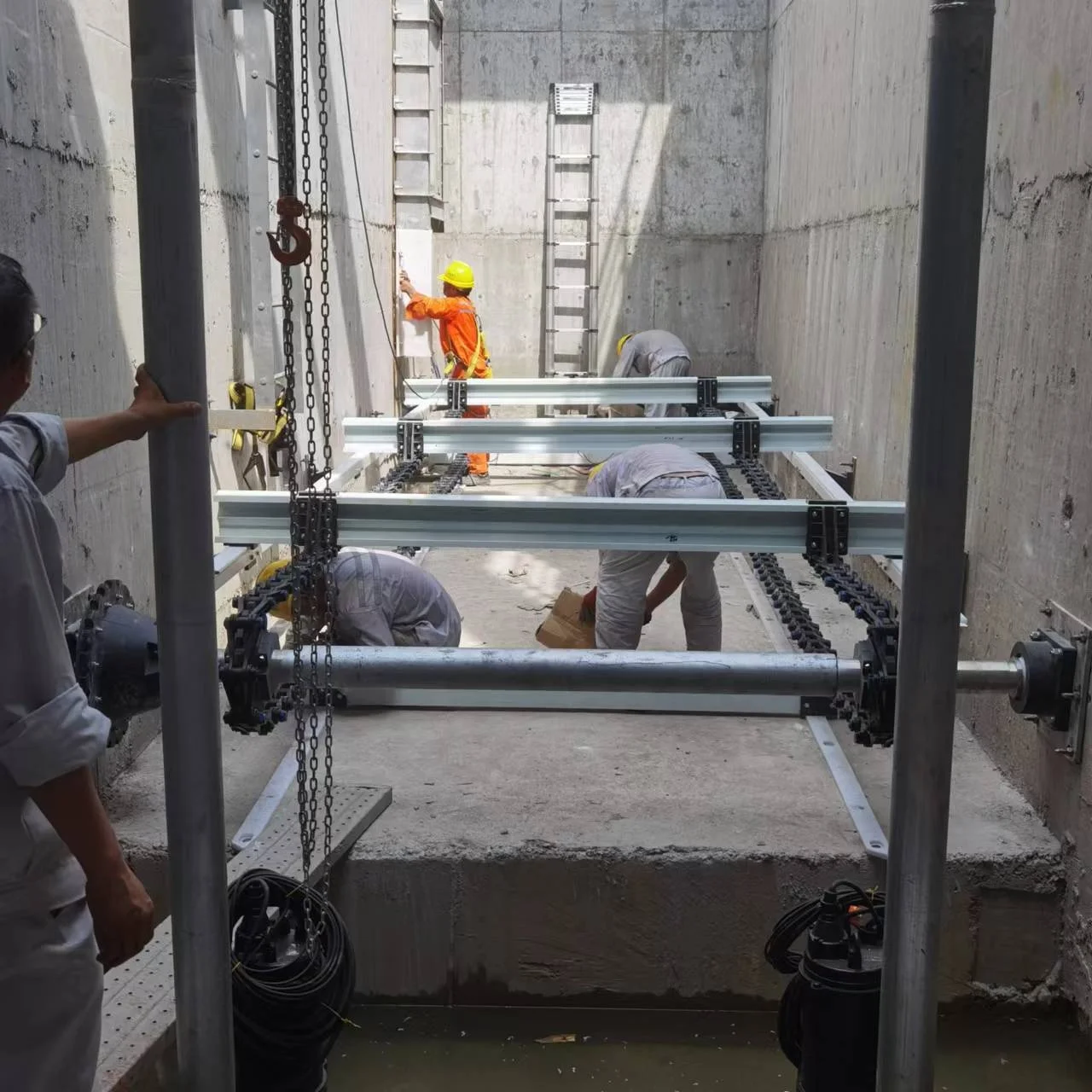
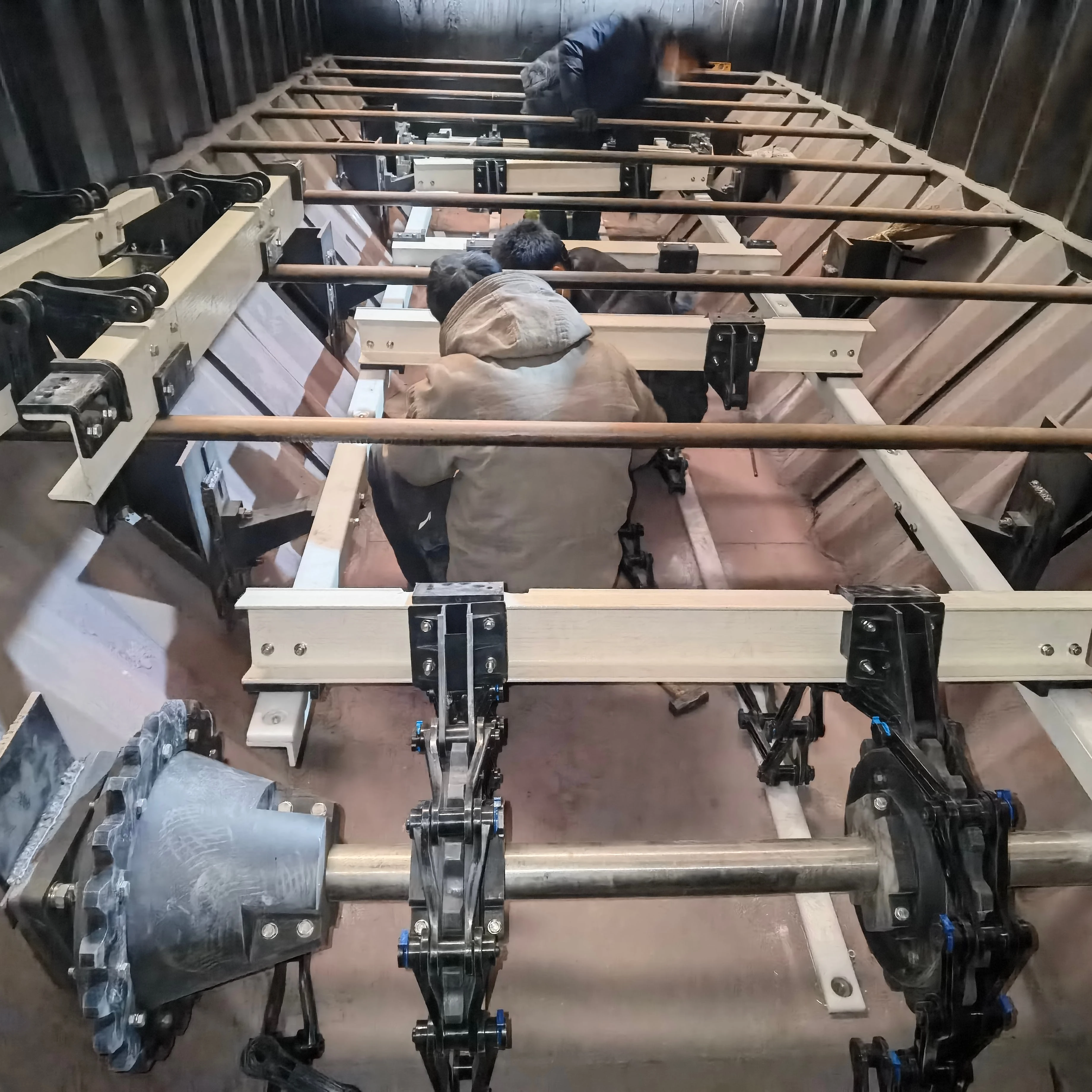
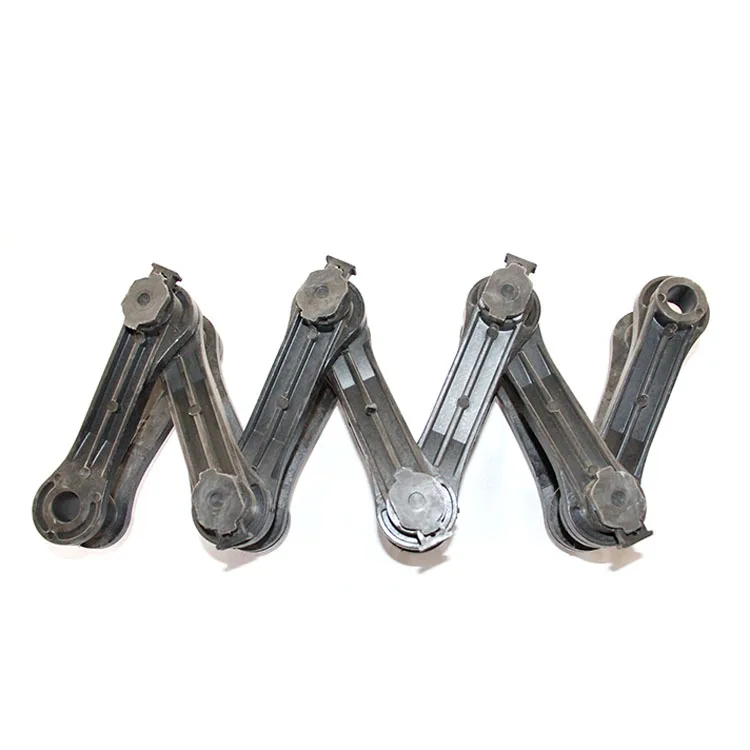
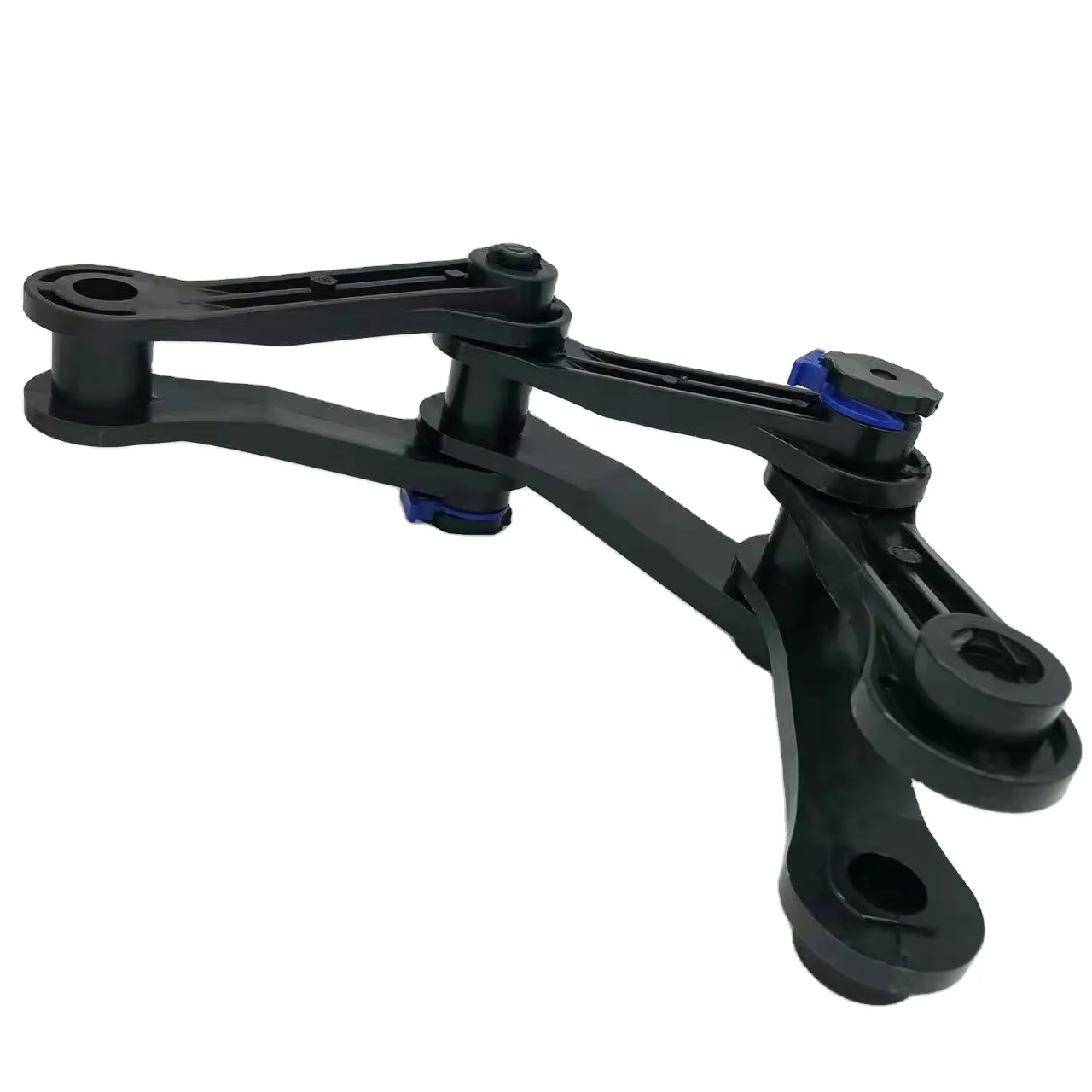
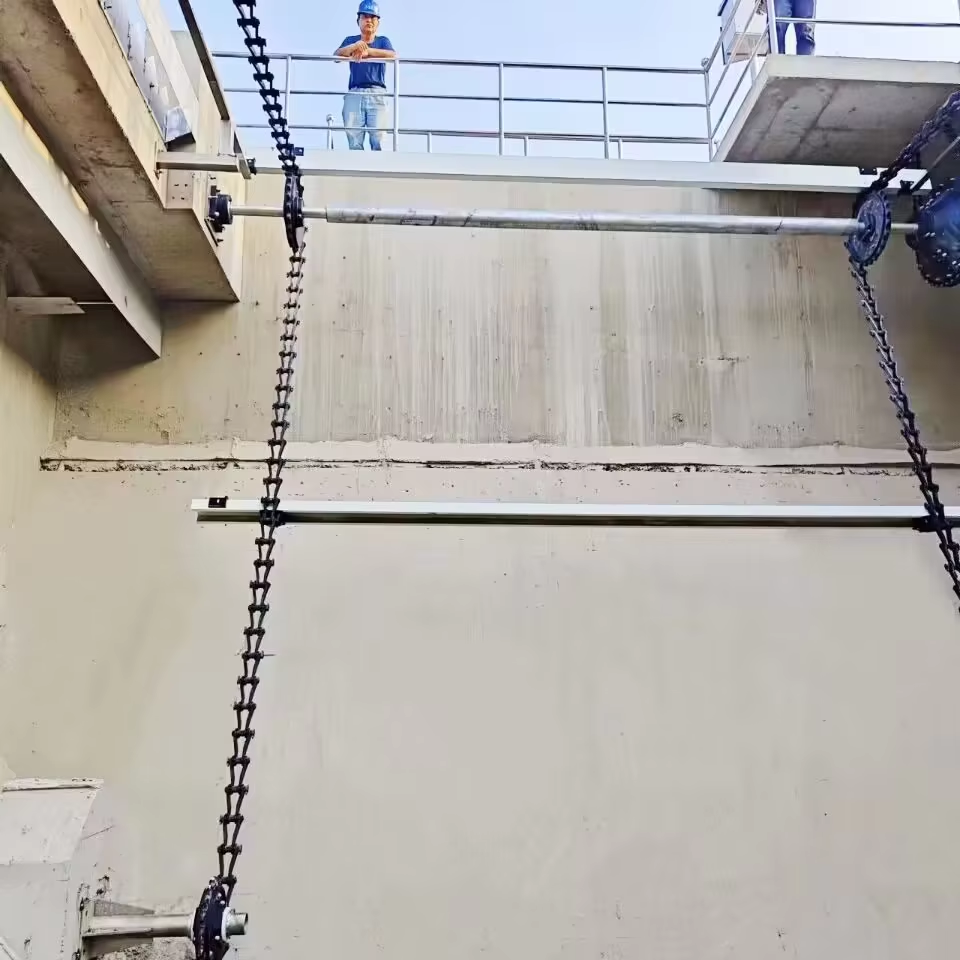
A sewage treatment plant is an essential piece of municipal infrastructure that protects public health and the environment by treating wastewater from households and businesses. Through a combination of physical, biological, and chemical processes, it removes contaminants to produce a treated effluent and a semi-solid byproduct (sludge). The process flow typically includes screening, grit removal, primary sedimentation, biological oxidation, secondary sedimentation, and disinfection. The primary sedimentation tank is a workhorse unit where gravity separates settleable organic and inorganic solids. The mechanical system responsible for collecting these settled solids is the sludge scraper. The performance and reliability of this scraper directly impact the entire plant's efficiency. Huake has established itself as a specialist in this precise area by producing high-performance, non-metallic sludge scrapers. Unlike conventional steel scrapers that corrode and require frequent maintenance, Huake's composite scrapers are built to withstand the highly aggressive environment within a primary clarifier. This results in a dramatic extension of service life and a near-elimination of maintenance-related downtime. For any sewage treatment plant, from a small package unit to a large metropolitan facility, integrating Huake's technology means securing a more reliable and cost-effective sedimentation process. This foundational stability allows the biological treatment stages to operate at peak efficiency, ensuring consistent production of high-quality effluent and reducing the overall operational burden on plant staff.