
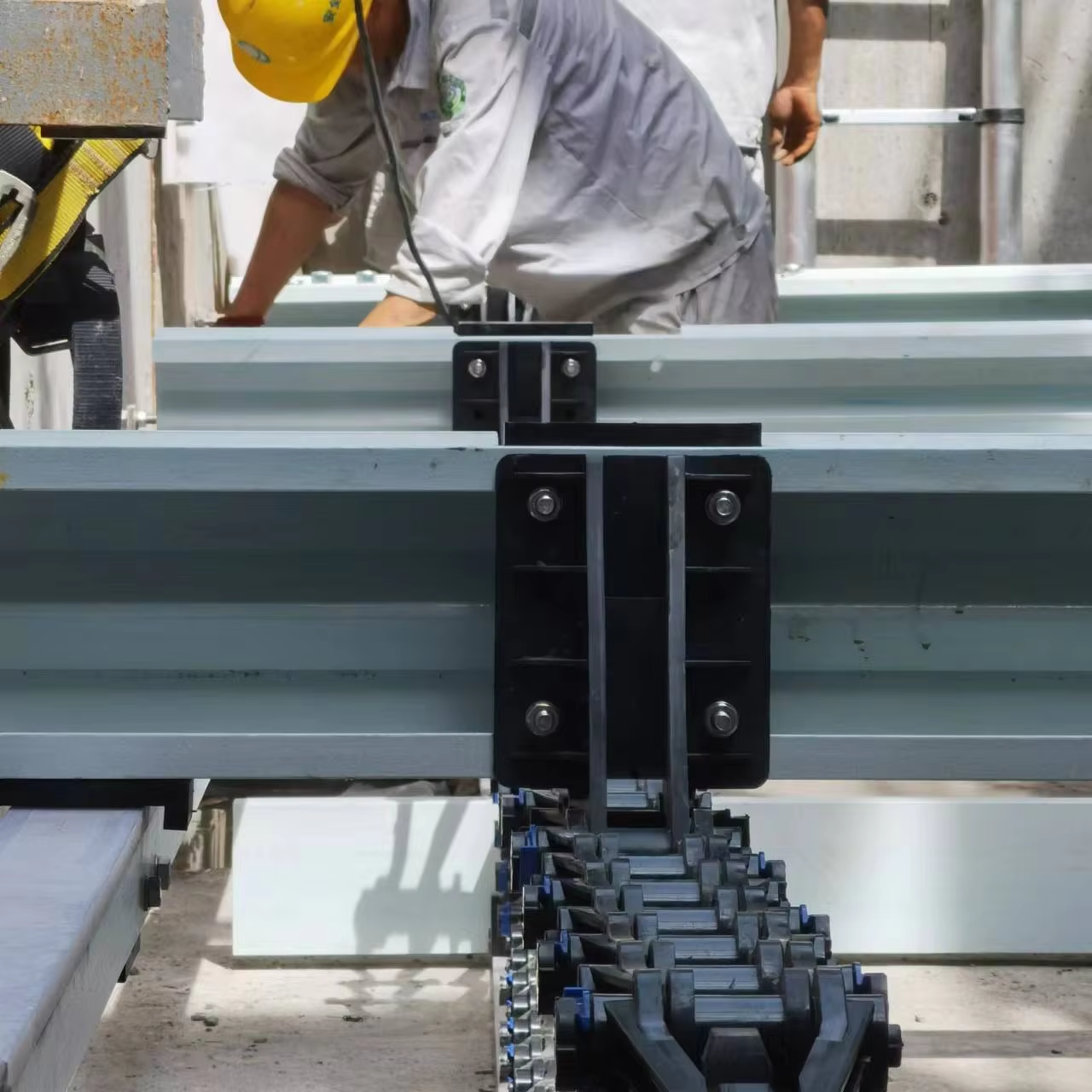
Primary Treatment Equipment: Solids Removal and StabilizationPrimary treatment equipment forms the essential first barrier in small-scale sewage treatment plants, physically removing solids and initiating organic stabilization. This stage prevents do...
VIEW MORE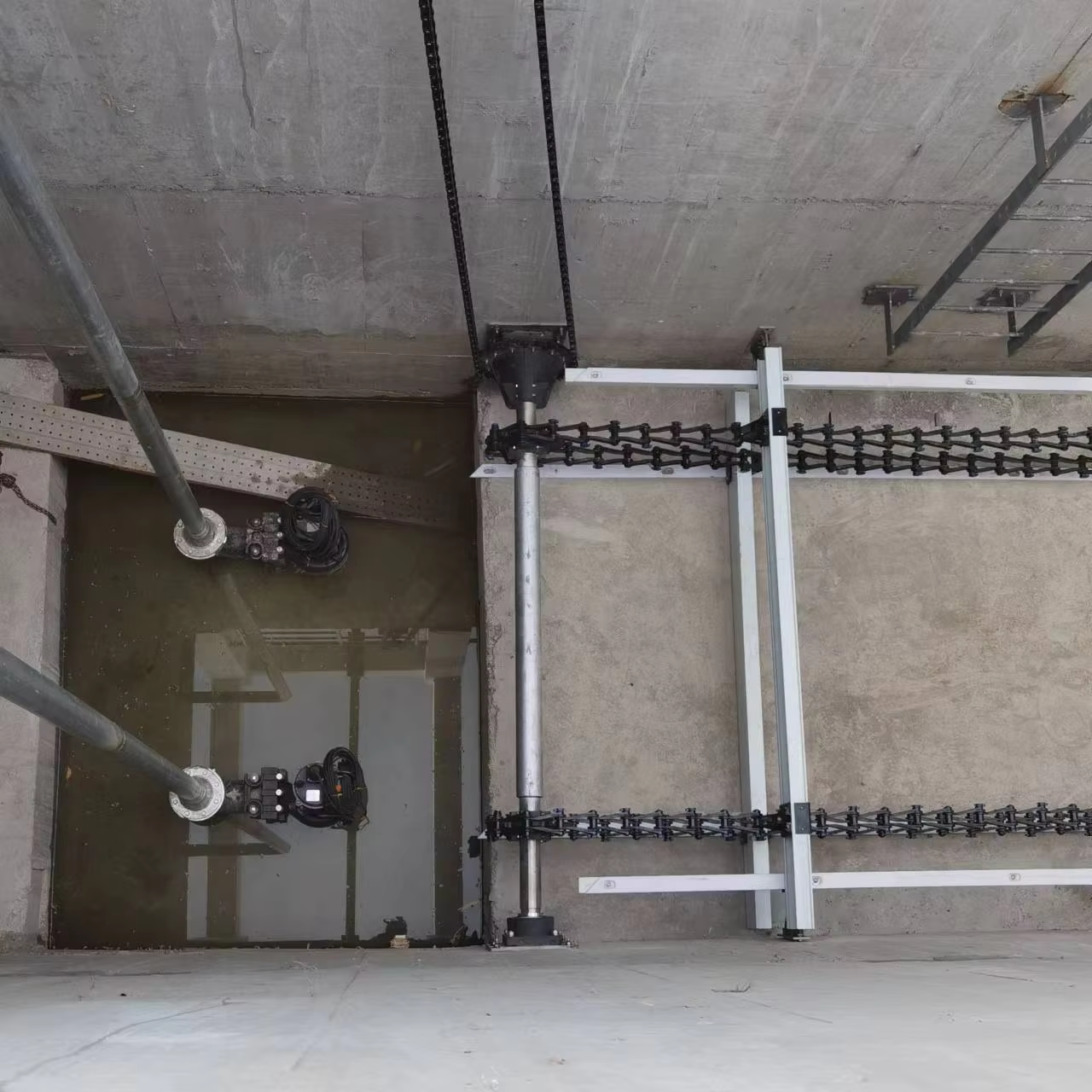
Optimize Tank Hydraulics and Scraper IntegrationAligning scraper motion dynamics with flow velocity profiles in rectangular vs. circular tanksIn rectangular sedimentation tanks, flow moves linearly along the tank length—so continuous chain-driven scr...
VIEW MORE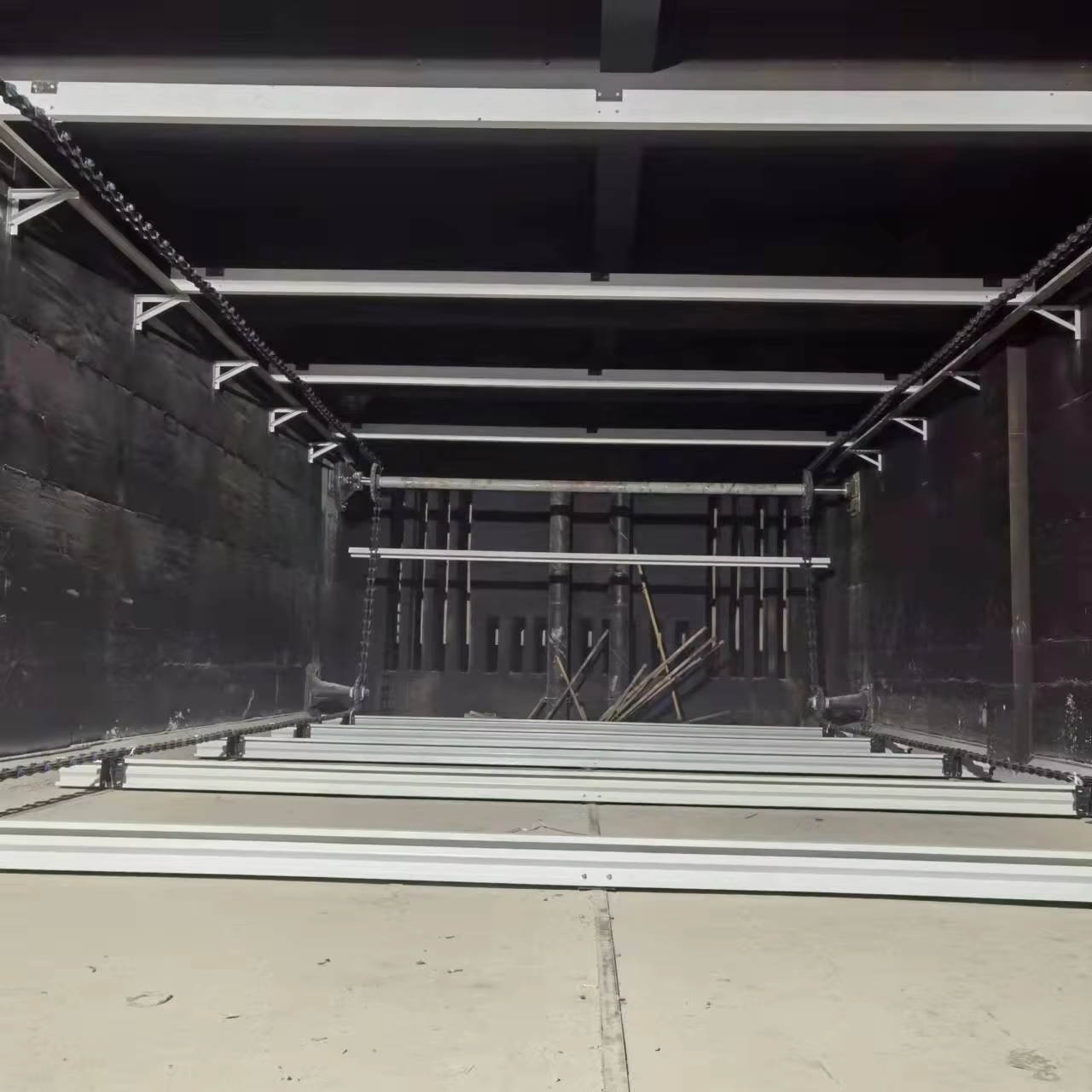
Common Sludge Scraper Noises and Their Mechanical OriginsGrinding and Knocking: Signs of Bearing Wear, Gear Damage, or Foreign Object JammingGrinding or sharp knocking sounds from a sludge scraper almost always indicate one of three mechanical issues...
VIEW MORE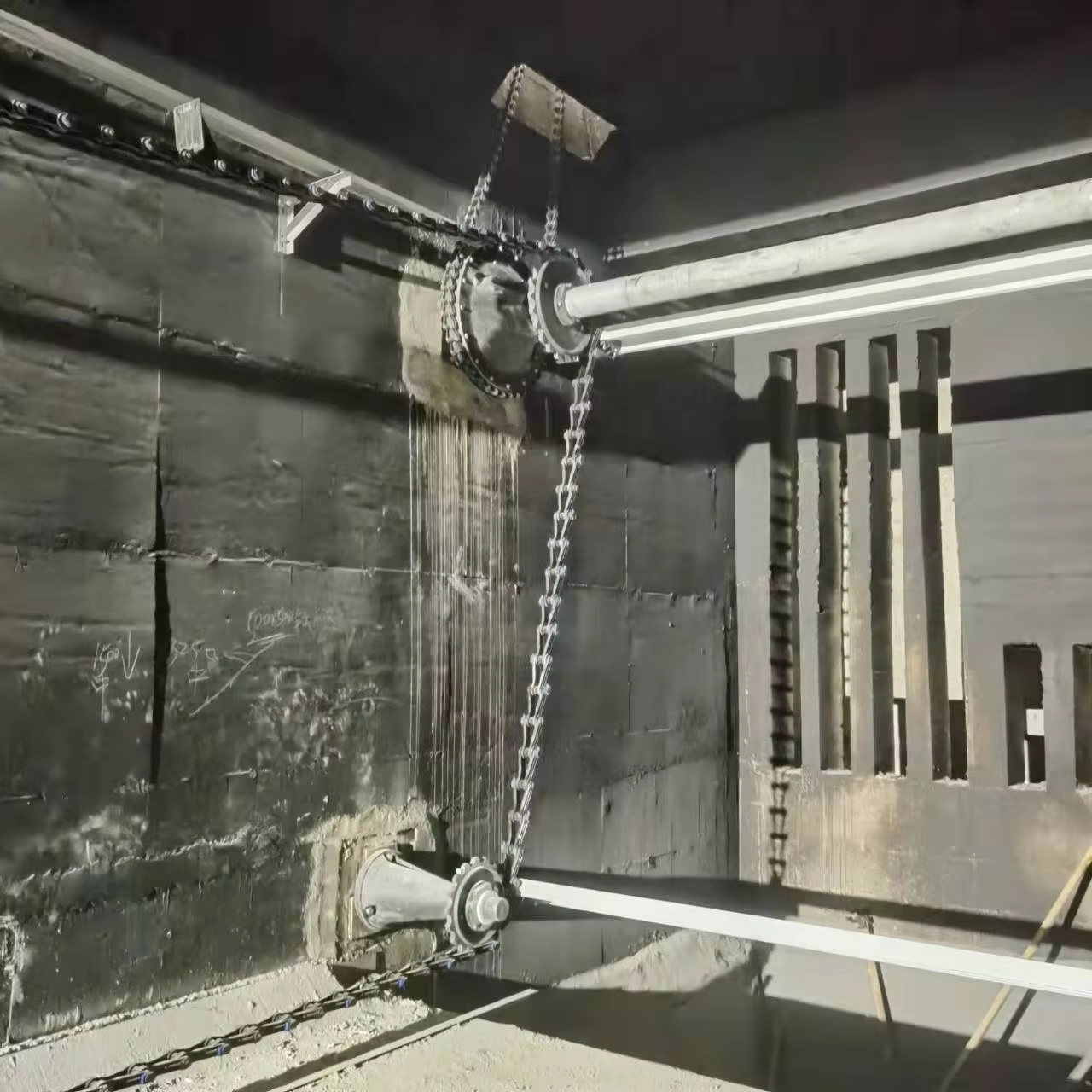
Integrated Earthmoving: How Mud Scrapers Eliminate Handoffs and Cut Cycle TimeWhy single-platform dig-load-haul-spread reduces idle time and coordination overheadConventional earthmoving relies on separate machines—excavators for digging, haul trucks...
VIEW MORE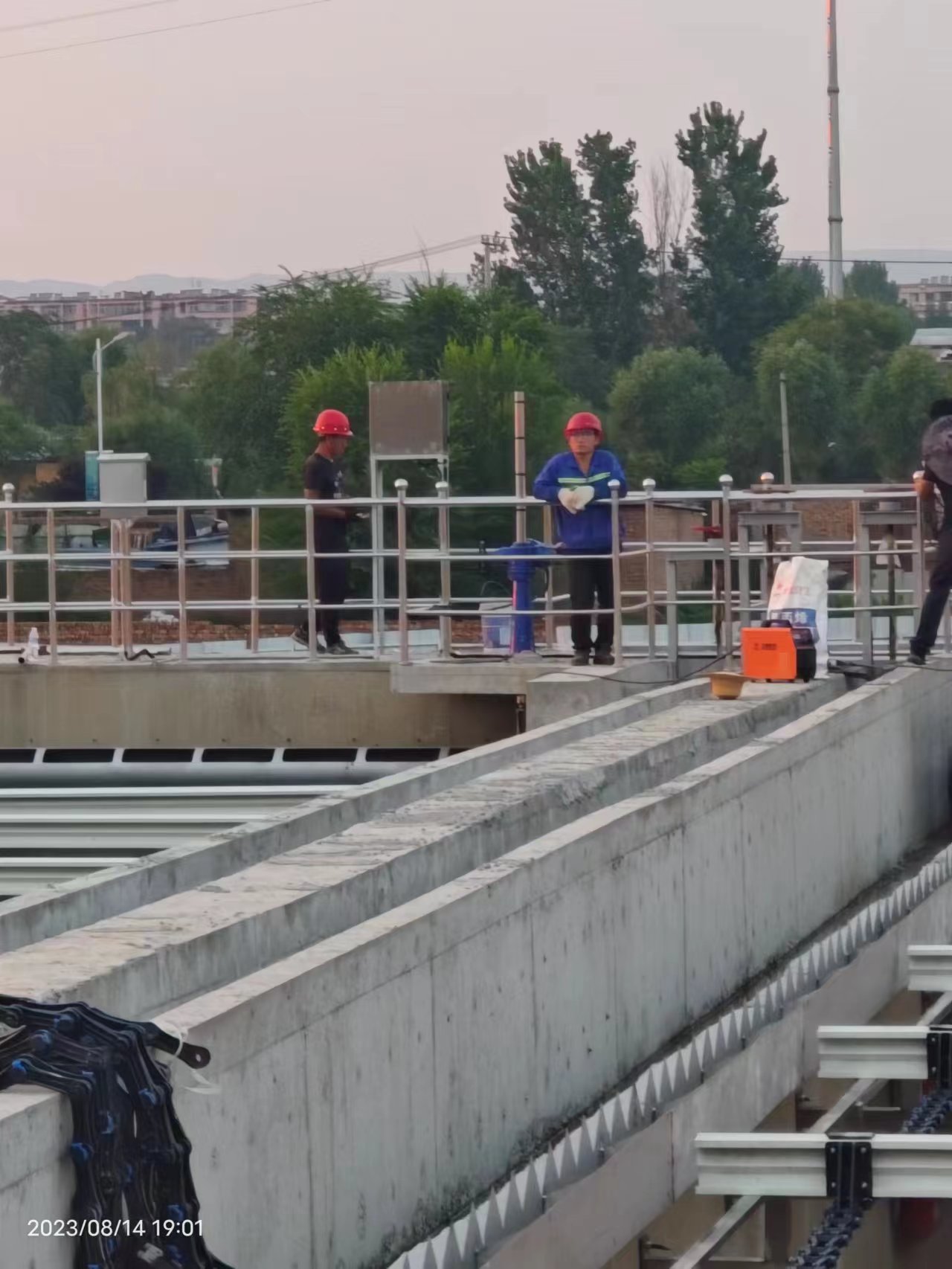
Sludge Scrapers: Core Mechanism and Energy Efficiency AdvantagesGravity-based sludge removal via scrapers as a low-energy concentration methodSludge scrapers concentrate settled solids in clarifiers using gravity—eliminating the need for energy-inten...
VIEW MORE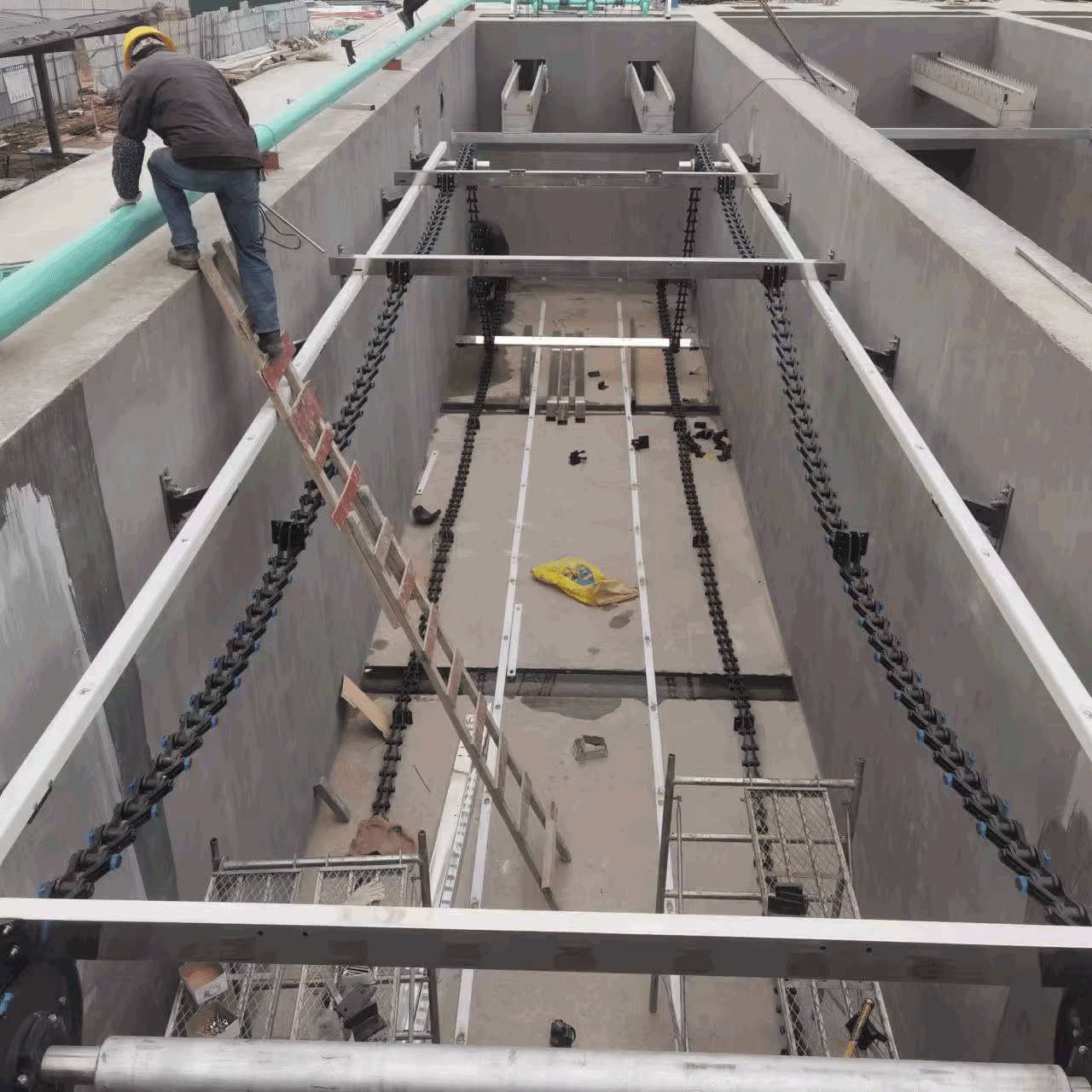
Sludge Scraper Fundamentals: Role and Design Types in Sewage Treatment Plant EquipmentOperational Necessity in Primary and Secondary ClarifiersSludge scrapers play a vital role in both circular and rectangular sedimentation tanks where they gather se...
VIEW MORE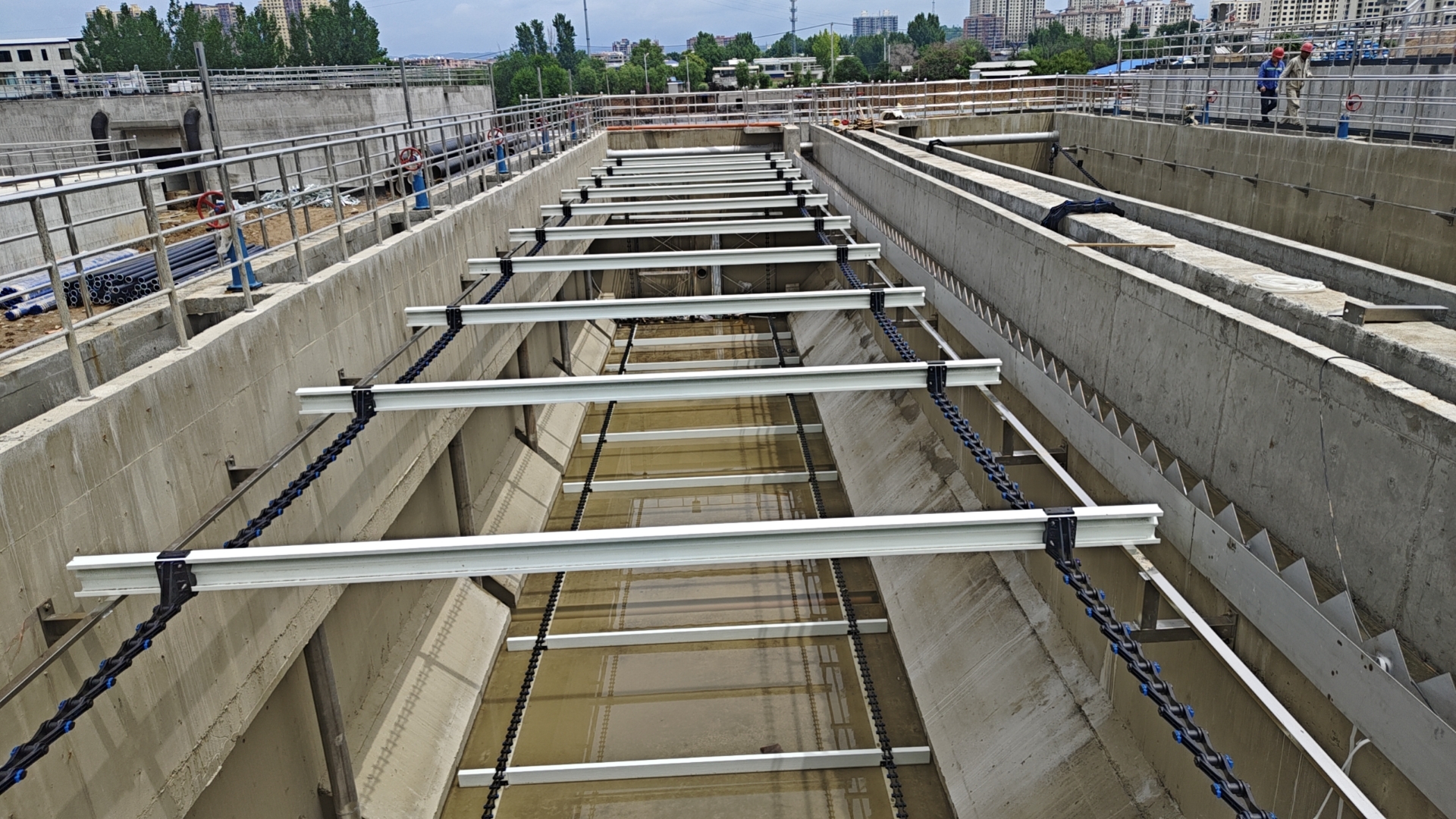
Superior Corrosion Resistance in Harsh Sewage EnvironmentsChemical resilience of HDPE, PU, PA, and POM against H₂S, organic acids, and alkaline sludge Scrapers constructed from materials like HDPE, PU, PA, and POM naturally stand up against harsh che...
VIEW MORE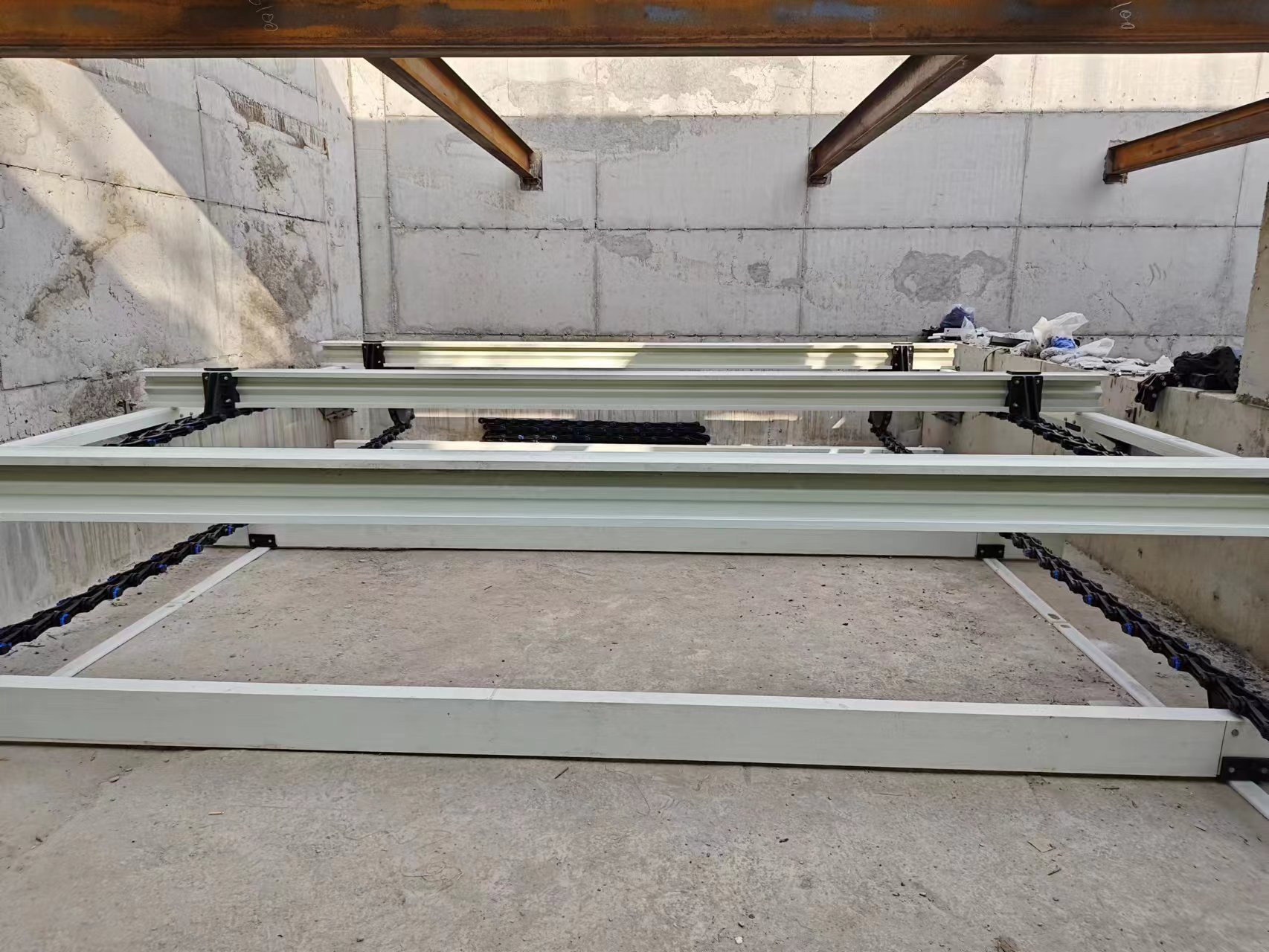
Why Standard Mud Scrapers Fail Rapidly in Corrosive WastewaterThe Triple Threat: Low pH ( 40: Superior Resistance to Pitting and Stress CorrosionDuplex stainless steel delivers exceptional durability through its balanced austenitic-ferritic microstru...
VIEW MORE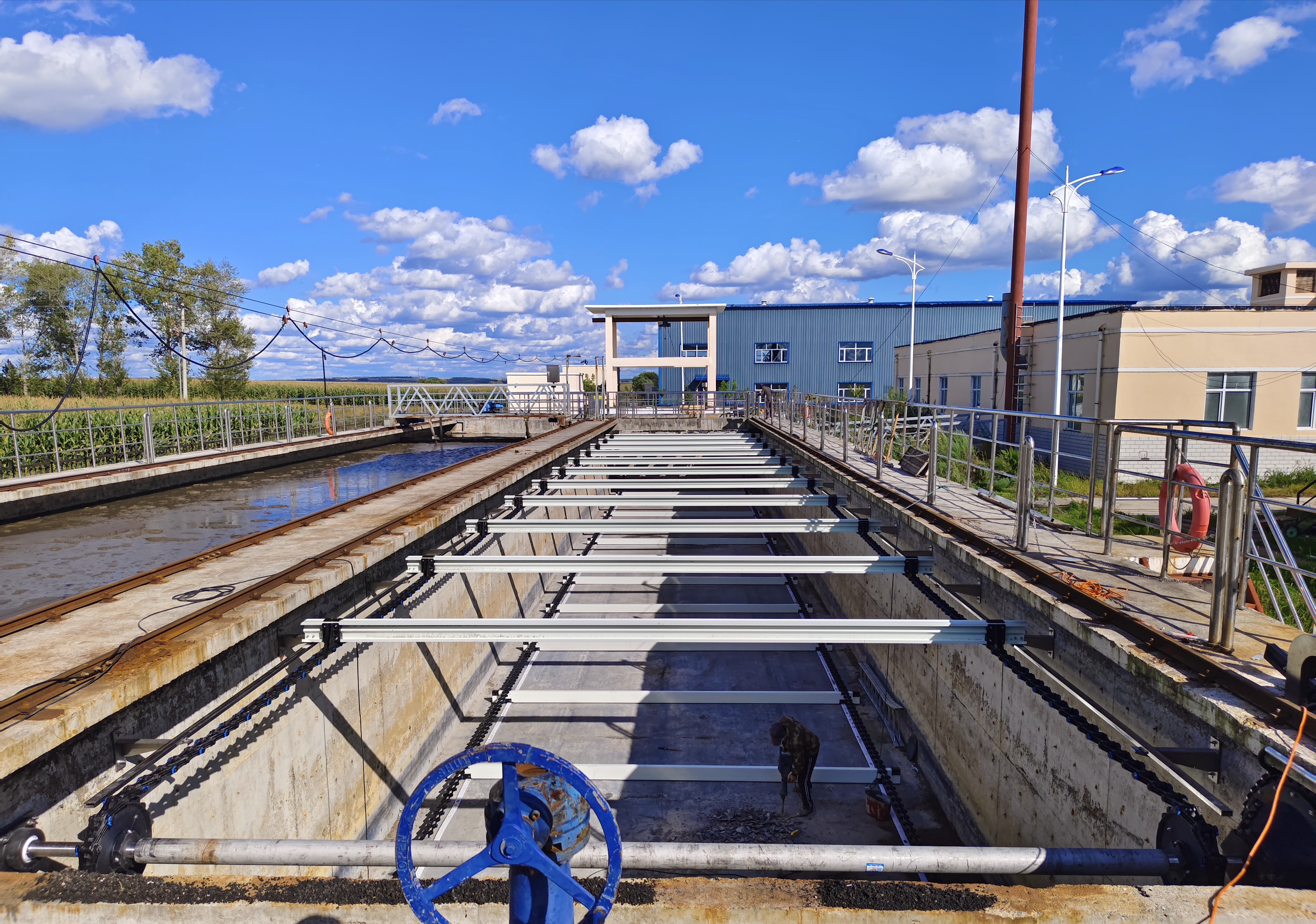
The 20% Energy Reduction: Engineering Drivers Behind Non-Metallic Sludge Scraper EfficiencyWeight reduction and inertial savings in non-metallic chain sludge scrapersThe energy savings from non-metallic sludge scrapers come mostly from their lighter ...
VIEW MORE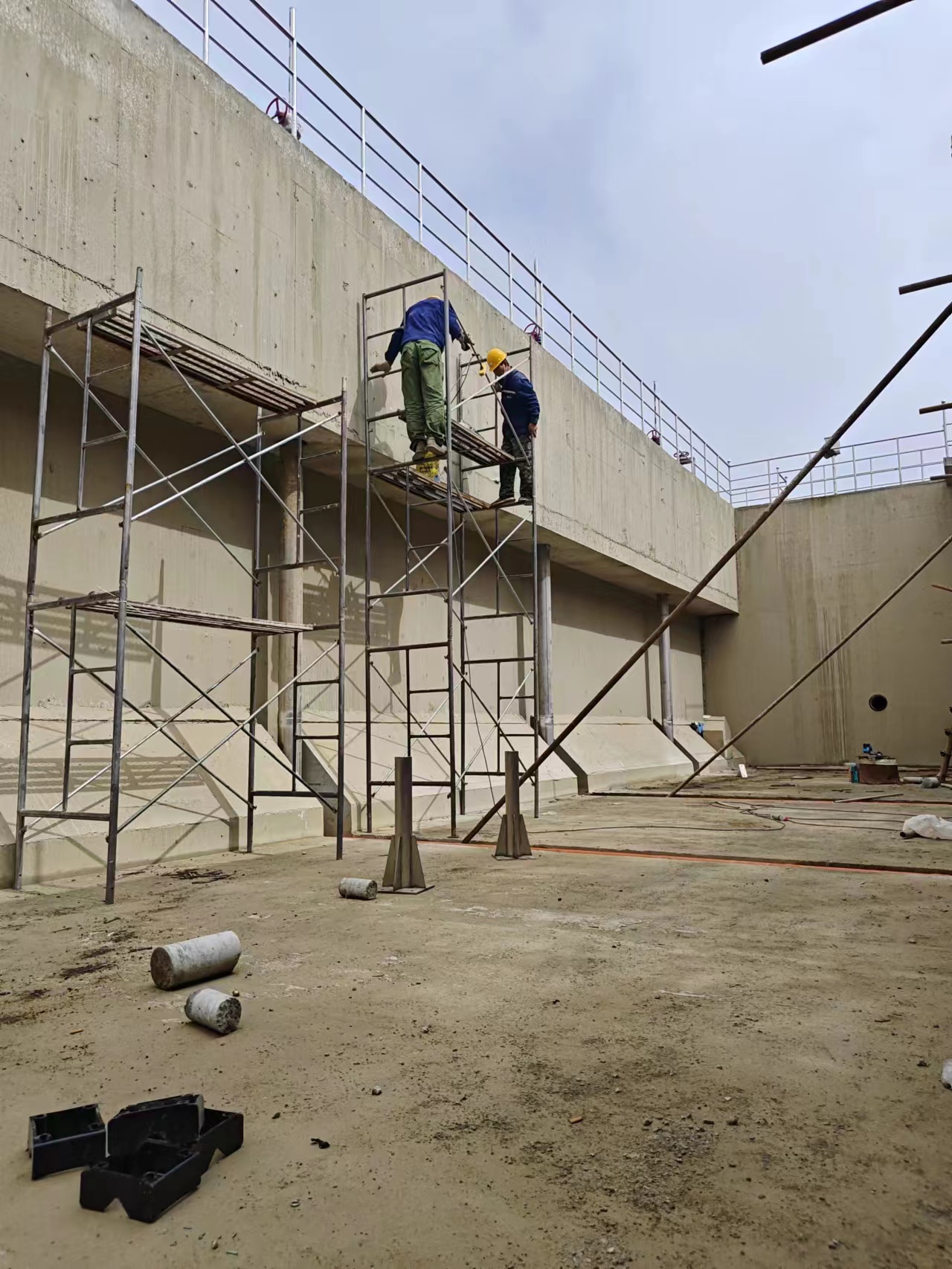
The 45% Maintenance Cost Reduction: Verified Across Aviation and Sewage Treatment Environments FAA-certified MRO case studies: labor savings, blade longevity, and reduced rework Aircraft maintenance shops have found that switching to non-metallic sc...
VIEW MORE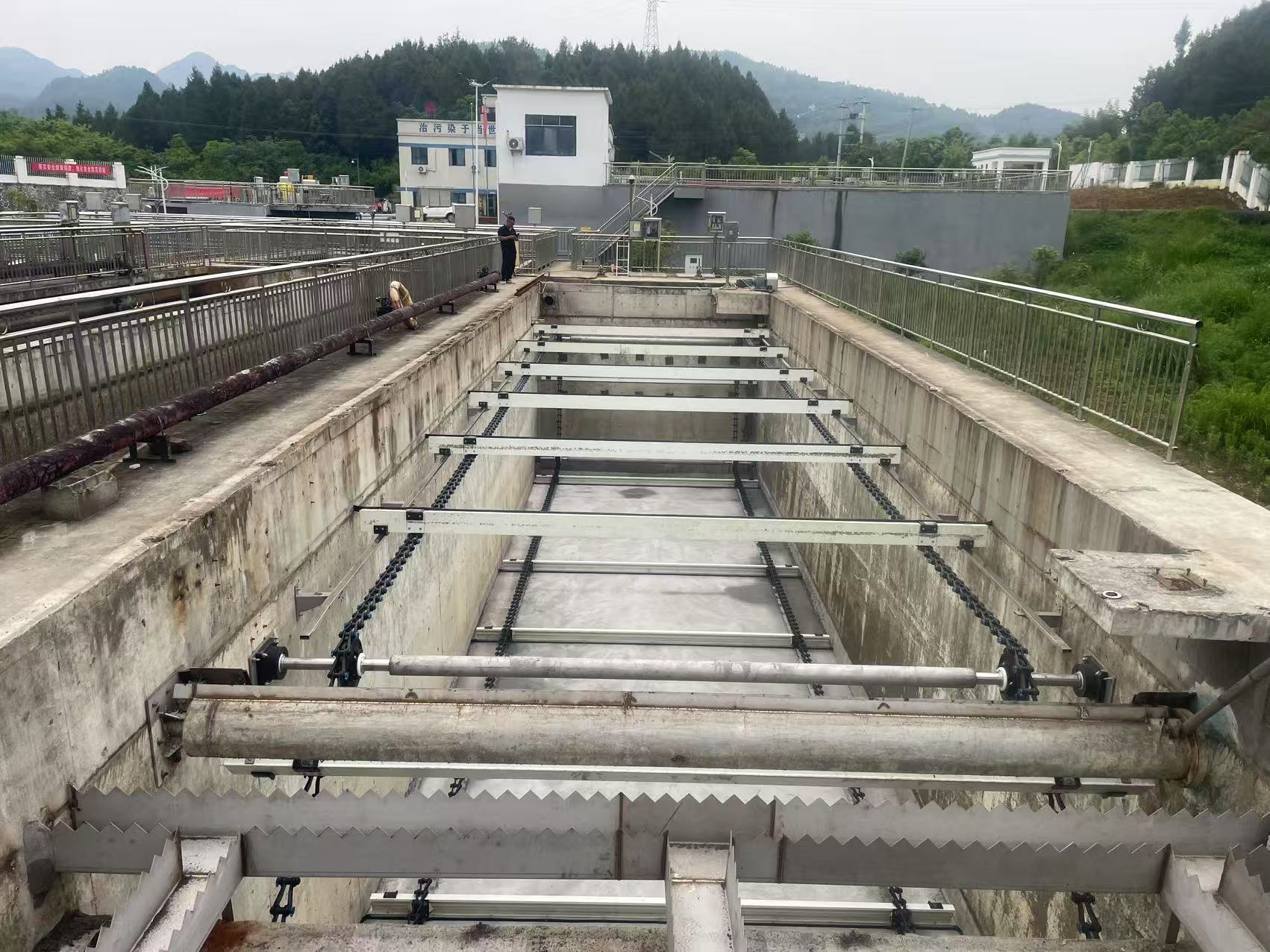
Why Metal Scrapers Fail in Sewage EnvironmentsHâS, organic acids, and microbiologically influenced corrosion (MIC) accelerate metal degradation When hydrogen sulfide (H2S) gets into sewage systems, it turns into sulfuric acid which ...
VIEW MORE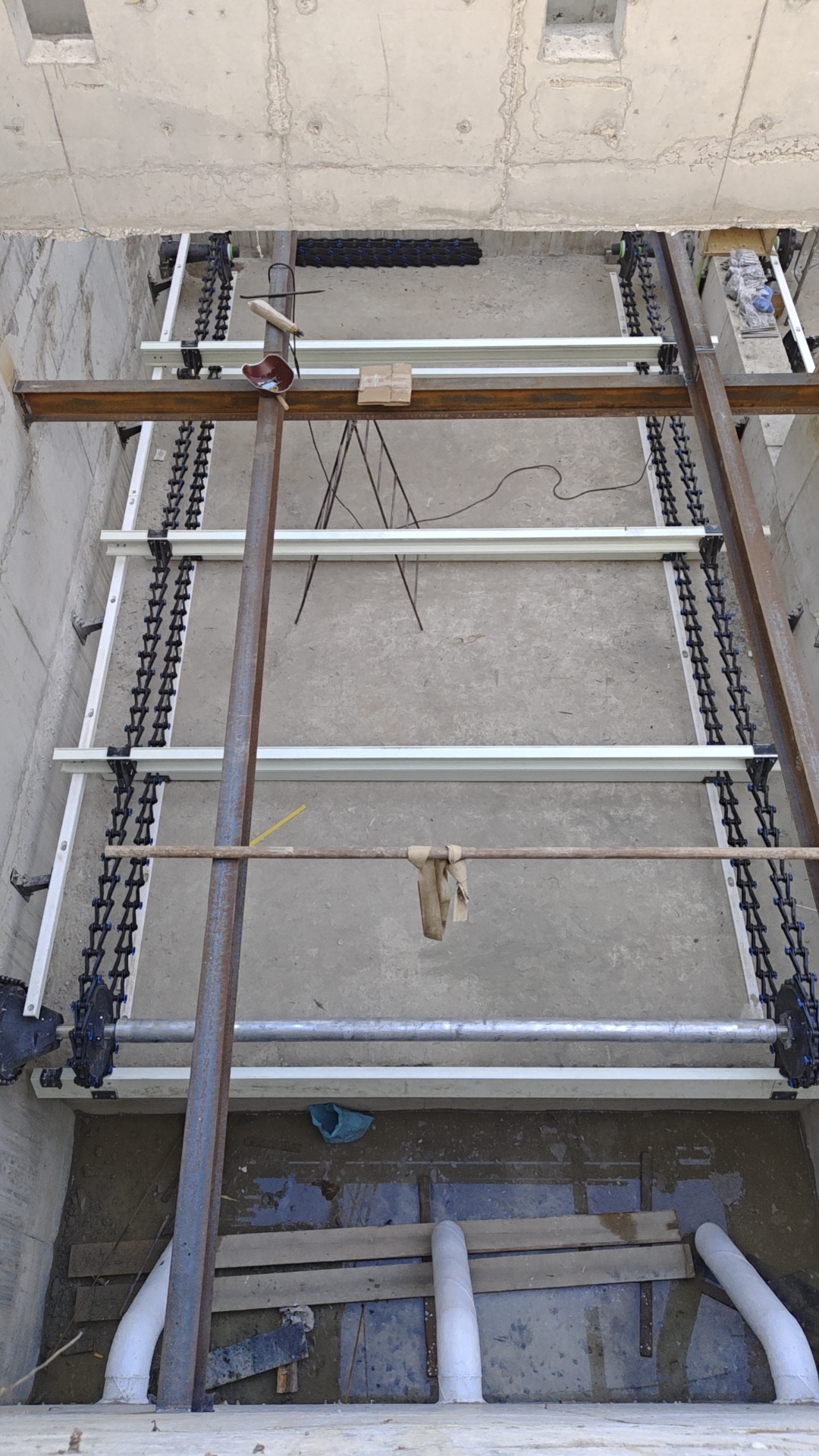
Bulk Procurement Drivers in Sewage Treatment Plants Lifecycle Cost Optimization Across Multi-Unit Orders (e.g., 53+ Units) Buying sludge scrapers in bulk, especially when ordering more than 50 units at once, actually saves money throughout their who...
VIEW MORE EN
EN