
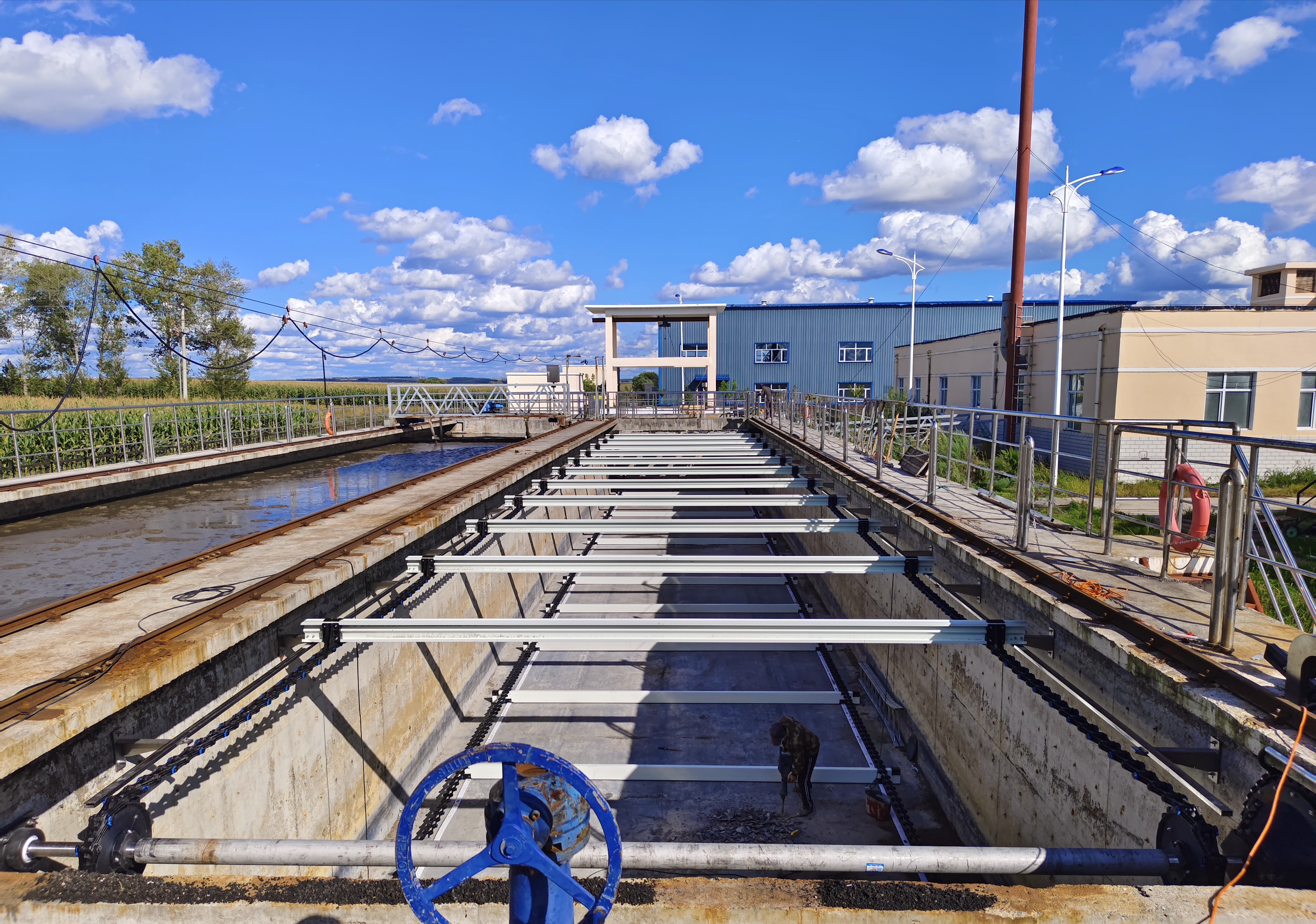
Material Integrity Testing for Sludge Scraper Durability Polymer Composition Analysis and UV Resistance Validation To check if polymers hold up properly, most manufacturers run chromatographic tests that look at resin ratios and whether additives ar...
VIEW MORE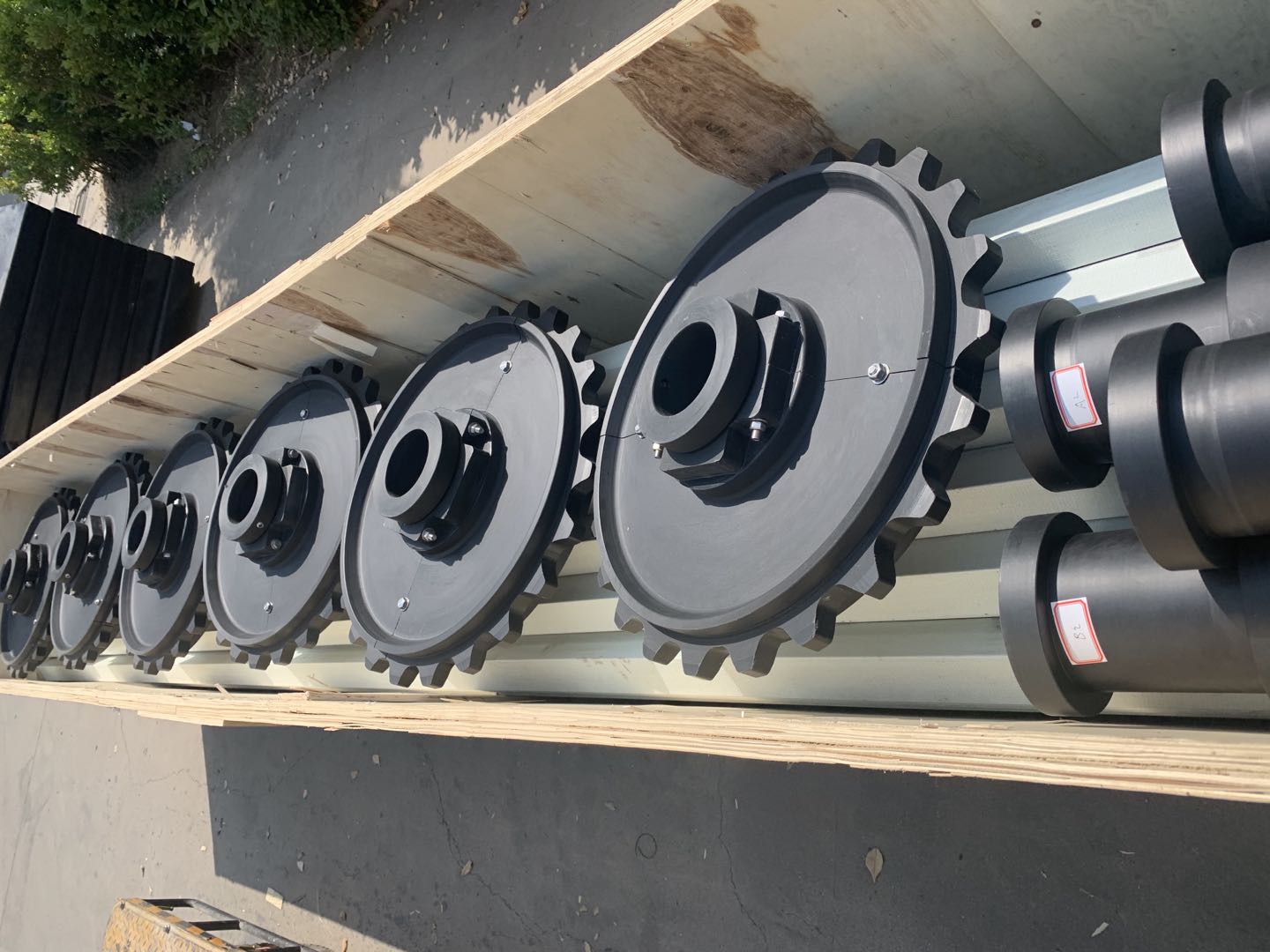
Mechanical Reliability: How Optimized Sludge Scraper Design Prevents Critical Failures in Sewage Treatment Torque distribution and continuous-chain drive systems eliminate jamming and bearing overload Old style sludge scrapers tend to break down pre...
VIEW MORE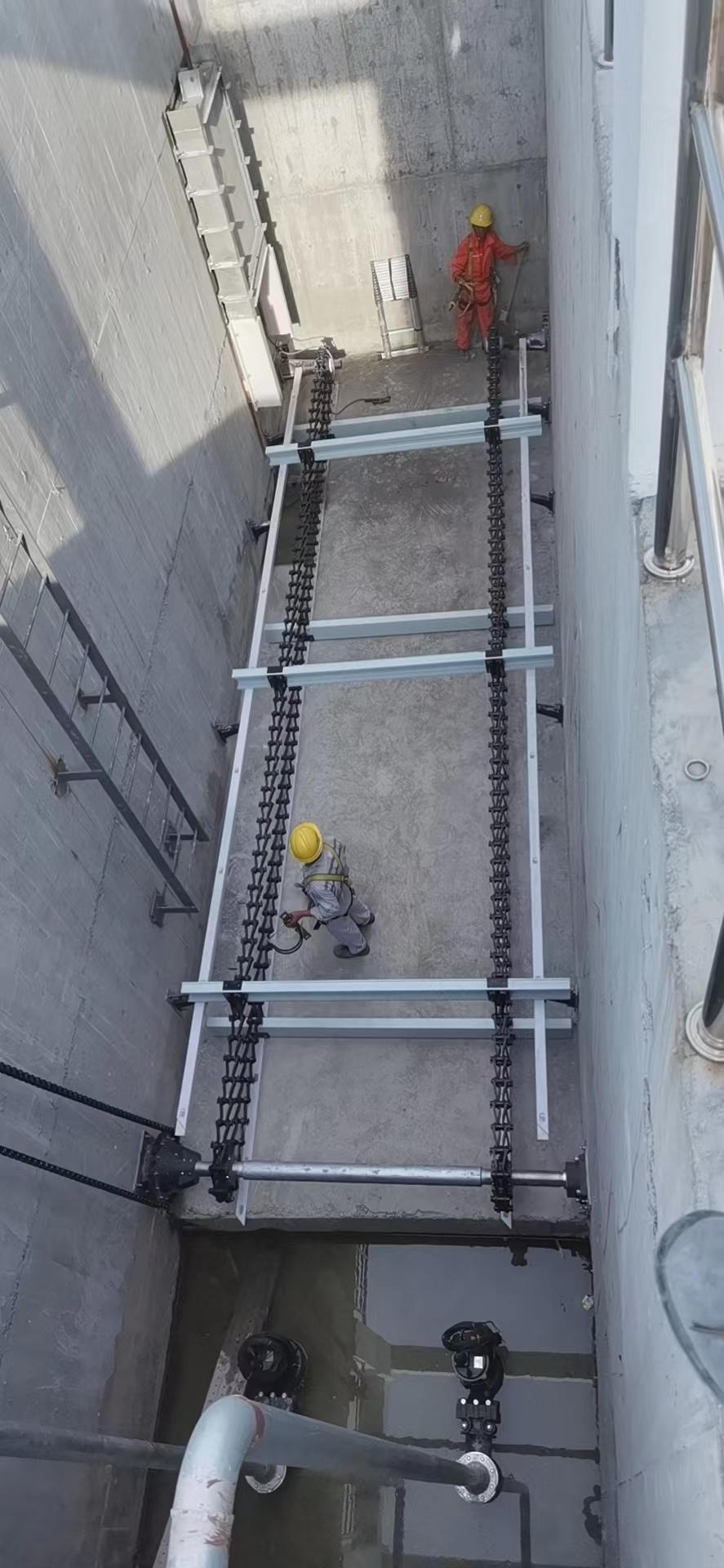
Unmatched Corrosion Resistance in Aggressive Sludge EnvironmentsChemical resilience against HâS, organic acids, and anaerobic digestateIn wastewater treatment plants where hydrogen sulfide (H2S), volatile fatty acids, and anaerobic ...
VIEW MORE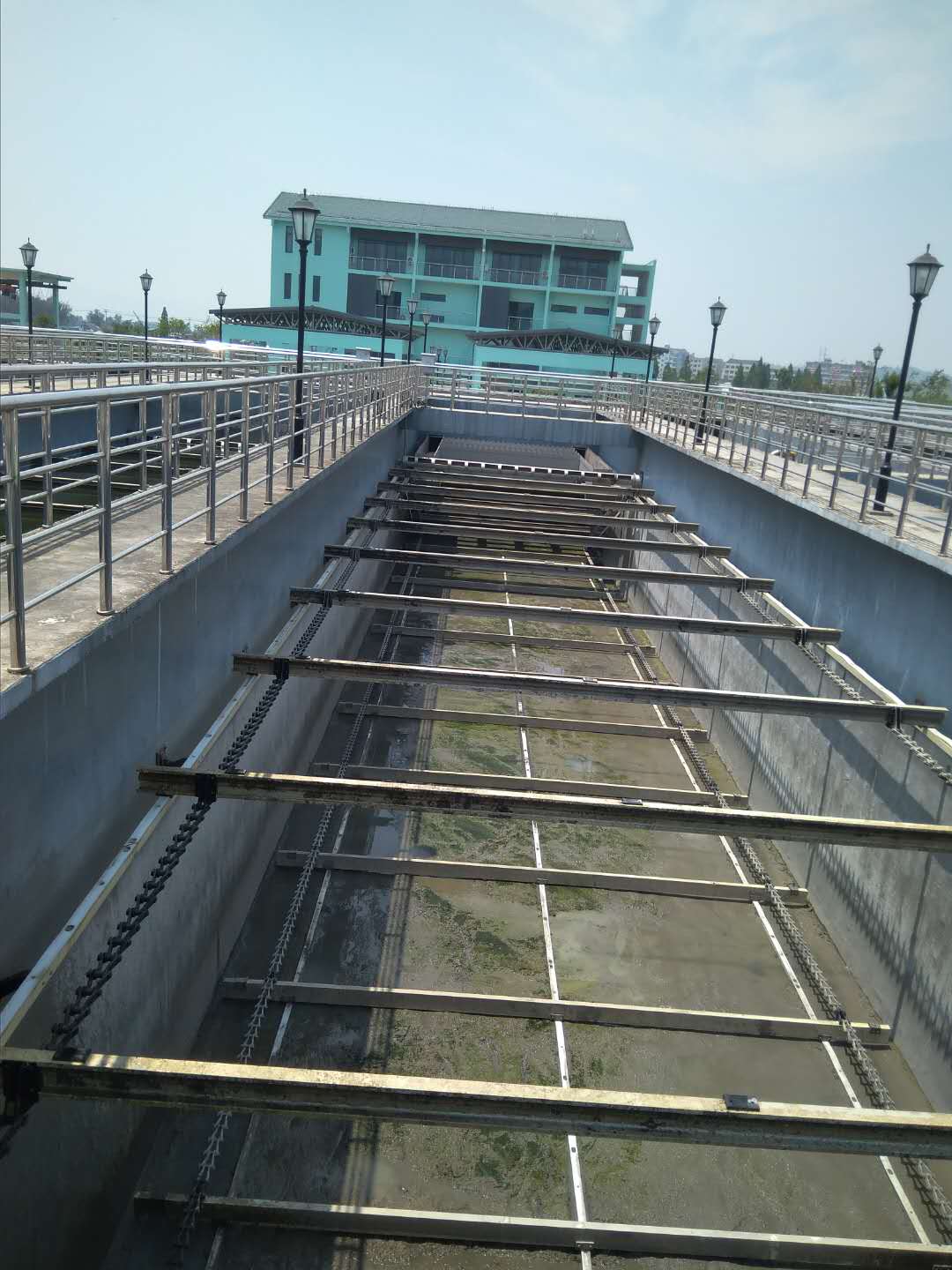
Corrosion Resistance and Long-Term Durability in Sewage Treatment Plant EnvironmentsChemical and microbial corrosion challenges in primary and secondary clarifiersThe primary and secondary clarifiers used in wastewater treatment plants suffer serious...
VIEW MORE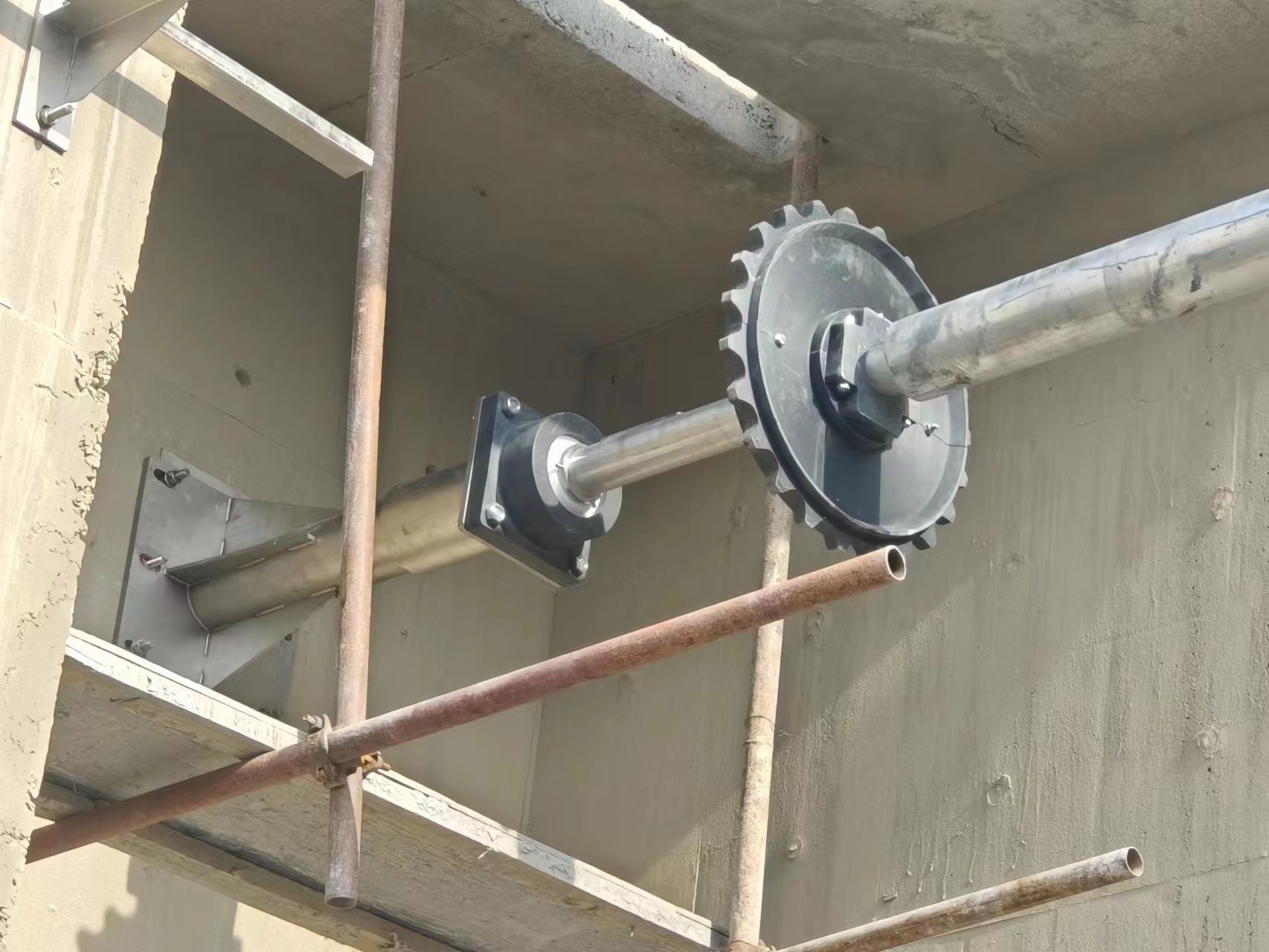
Why Bulk Procurement Demands Standardized Sludge Scraper SolutionsThe scalability challenge: How high-volume clarifier fleets drive demand for interoperable, service-ready sludge scrapersMunicipalities and industrial plants managing 15+ clarifiers fa...
VIEW MORE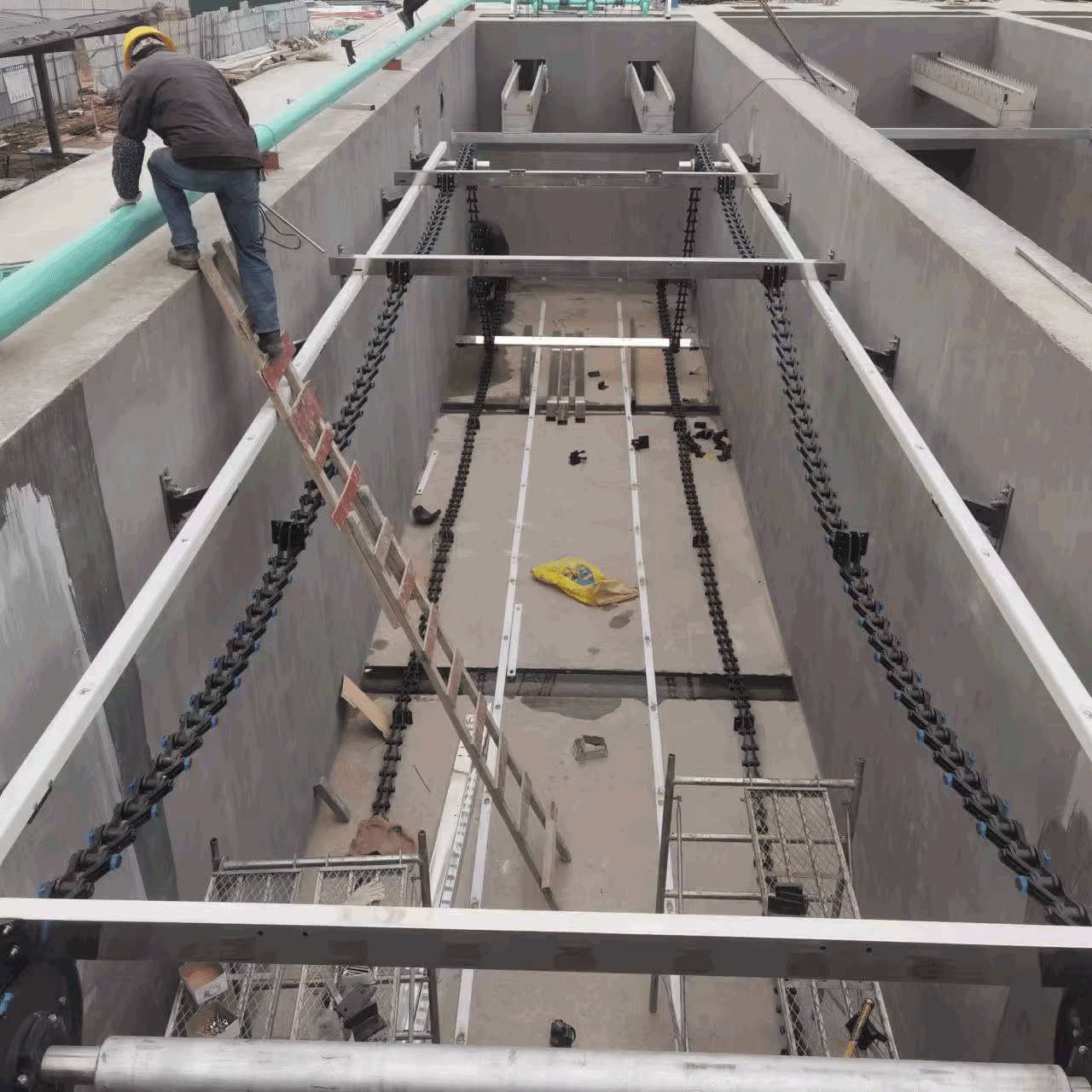
Energy-Efficient Sewage Treatment Plant Equipment: Pumps, Blowers, and Aeration SystemsVariable Frequency Drives (VFDs) for Blowers: Achieving 30–50% Energy Savings in Real-World Plants Sewage treatment plants typically see blowers eating up ar...
VIEW MORE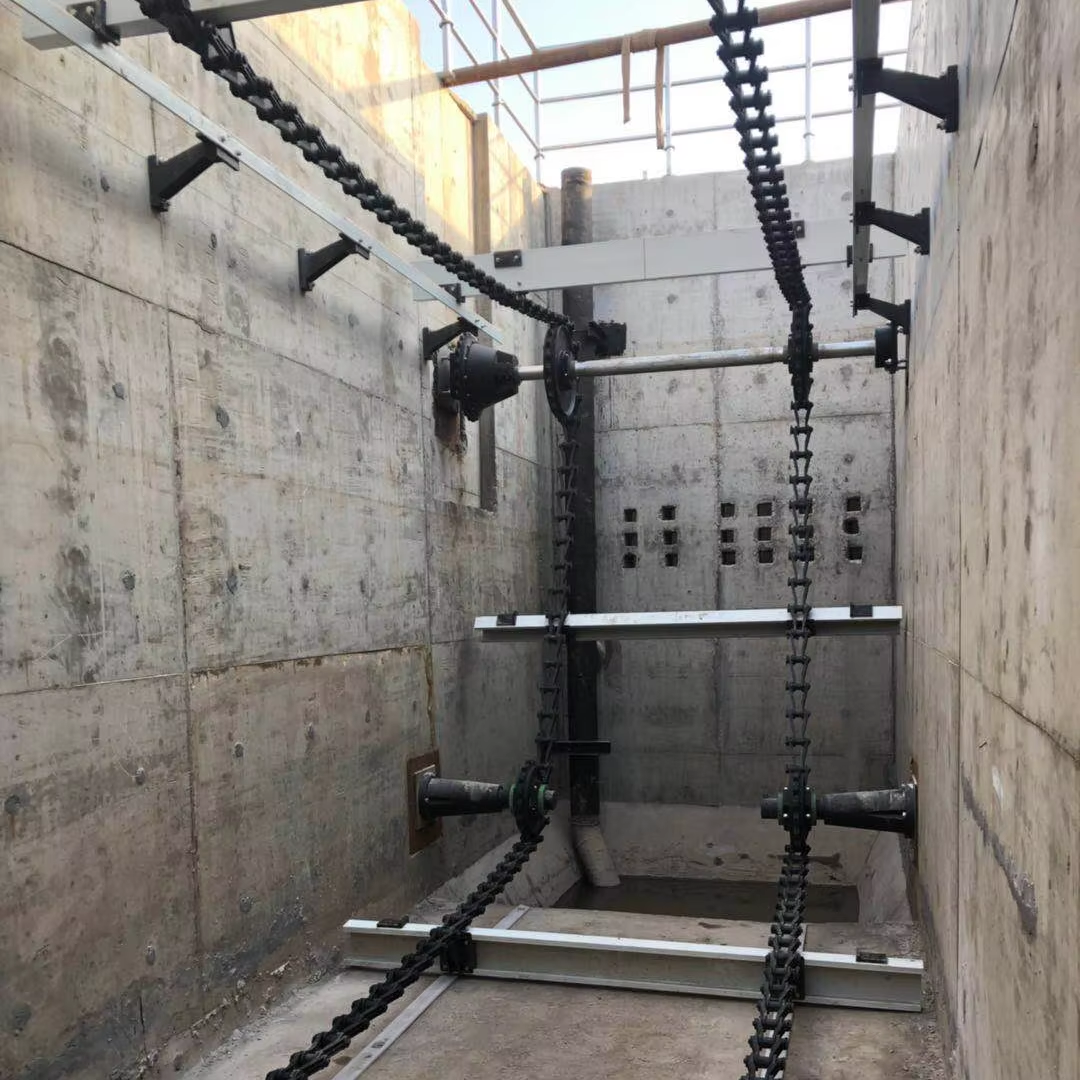
Why Sewage Treatment Plants Are Transitioning to Non-Metallic ScrapersMany sewage treatment facilities have started swapping out their old metal scrapers for plastic versions because these new materials handle the harsh conditions much better. Tradit...
VIEW MORE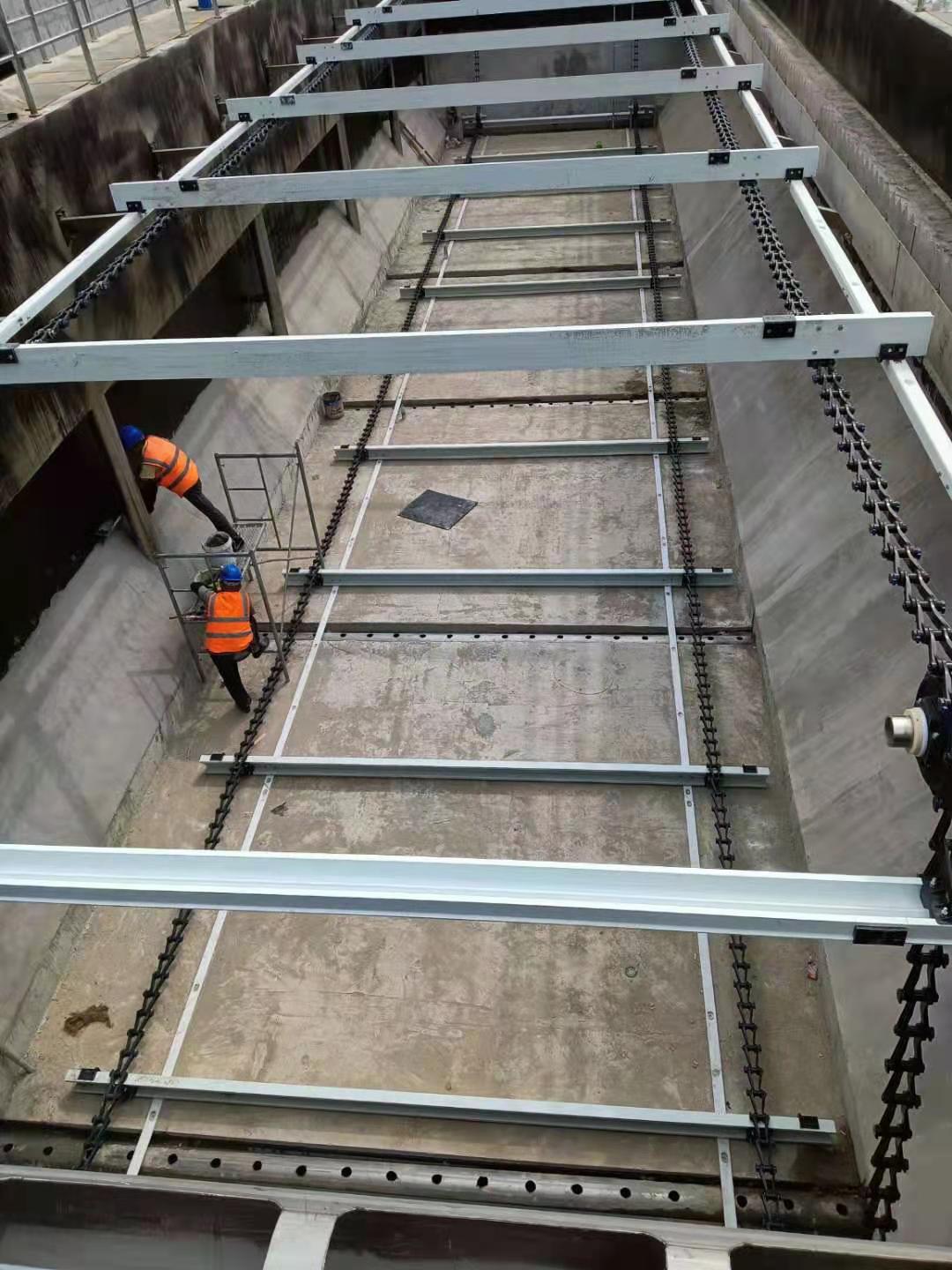
Key Selection Criteria for Municipal Sewage Treatment Plant ScrapersMatching Scraper Design to Basin Geometry and Hydraulic Flow ProfilesGetting the right sludge scraper for a job depends heavily on matching it to the specific tank size and how water...
VIEW MORE
Superior Corrosion Resistance for Reliable Sewage Treatment OperationsChemical and microbial corrosion challenges in anaerobic/aerobic wastewater zonesCorrosion problems plague sewage treatment plants coming from chemicals and living organisms alike....
VIEW MORE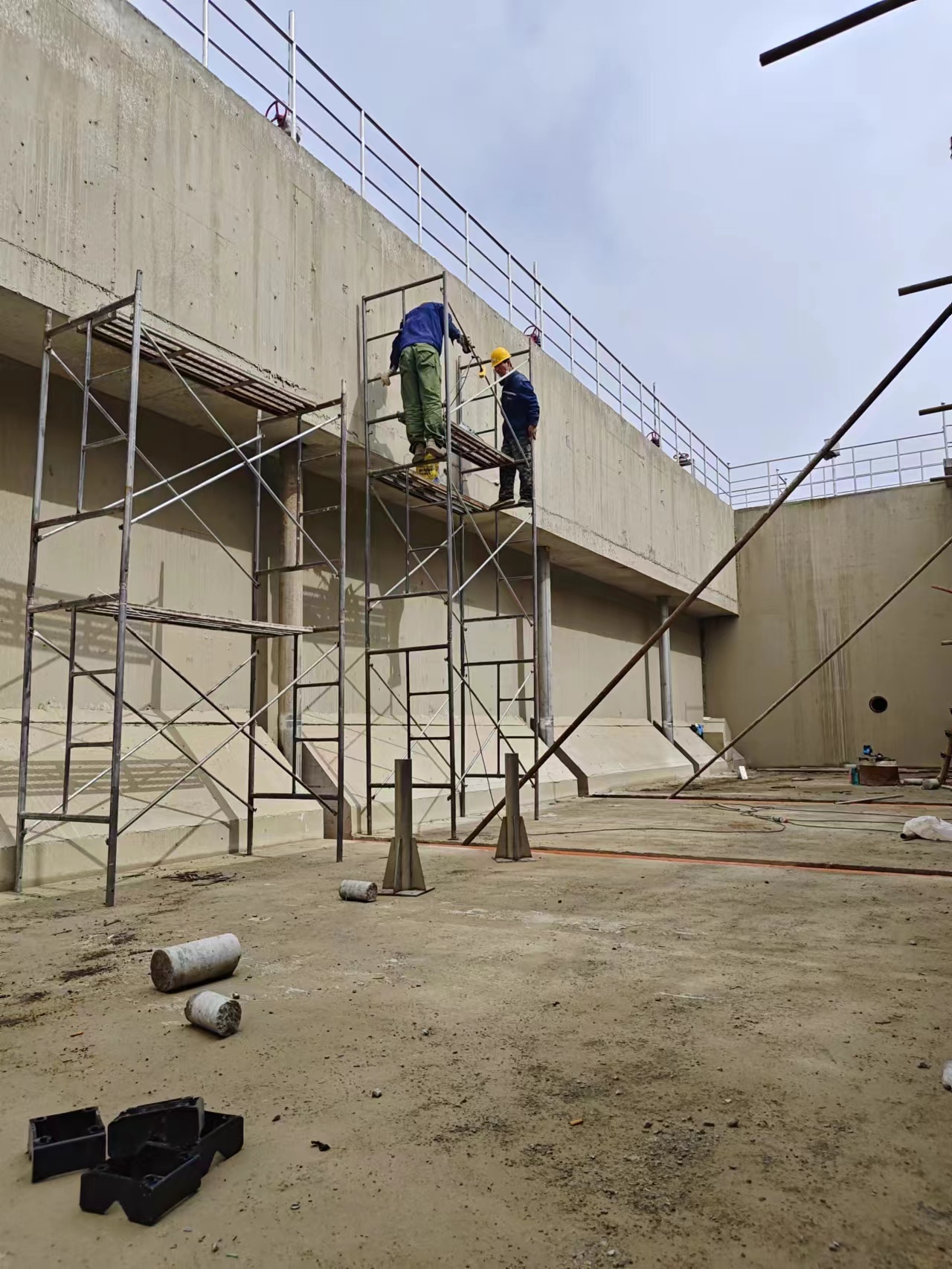
Core Mechanism: How Sludge Scrapers Optimize Clarifier Performance in Sewage Treatment Precision Sludge Removal and Its Impact on Hydraulic Loading and Settling Efficiency Sludge scrapers that move slowly do a good job of clearing out settled solids...
VIEW MORE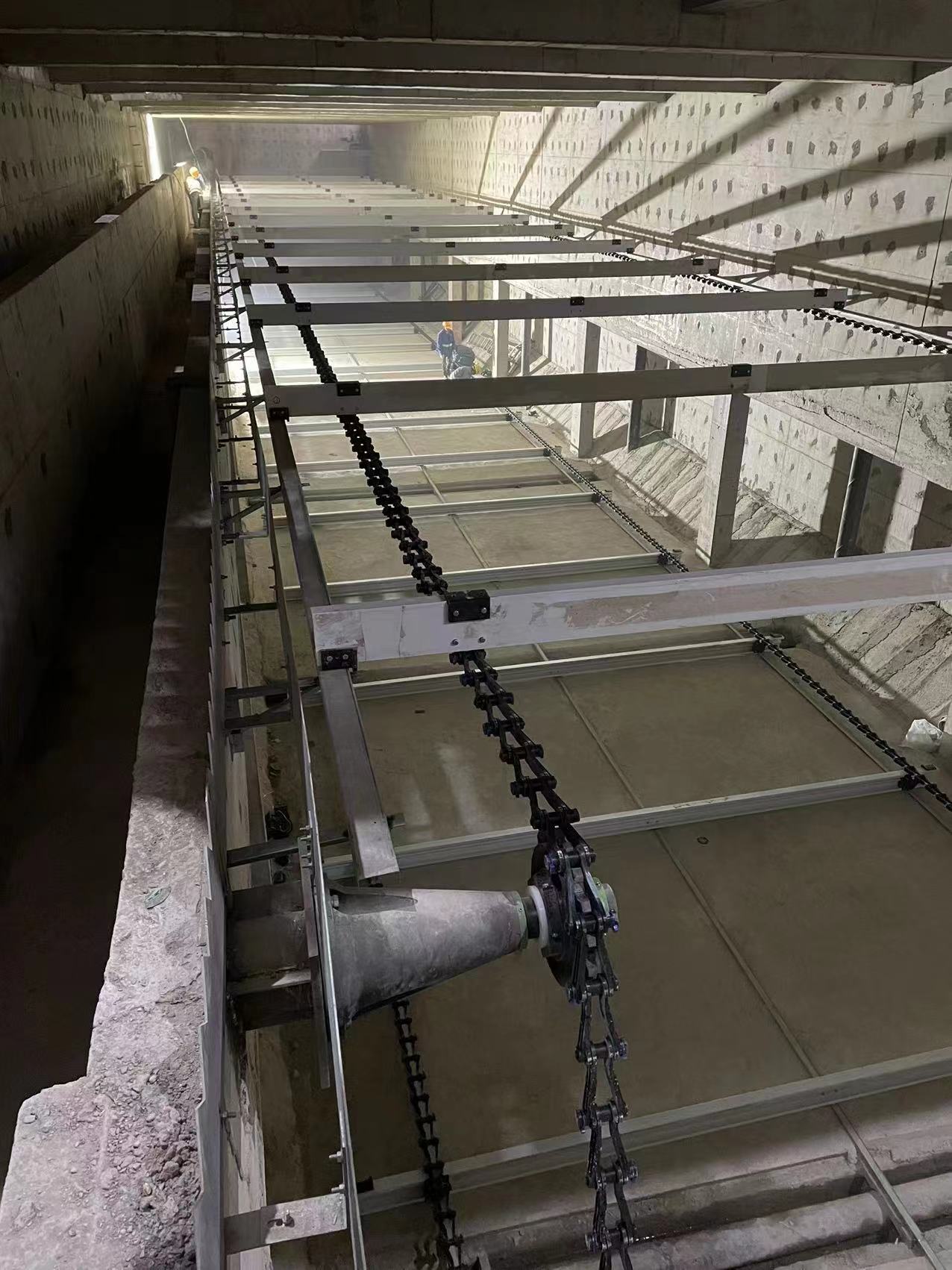
How Scraper Systems Impact Sedimentation Efficiency and Hydraulic Performance Why Unmanaged Sludge Accumulation Reduces Clarifier Hydraulic Capacity and Effluent Quality When sludge builds up without proper management, it causes serious problems in s...
VIEW MORE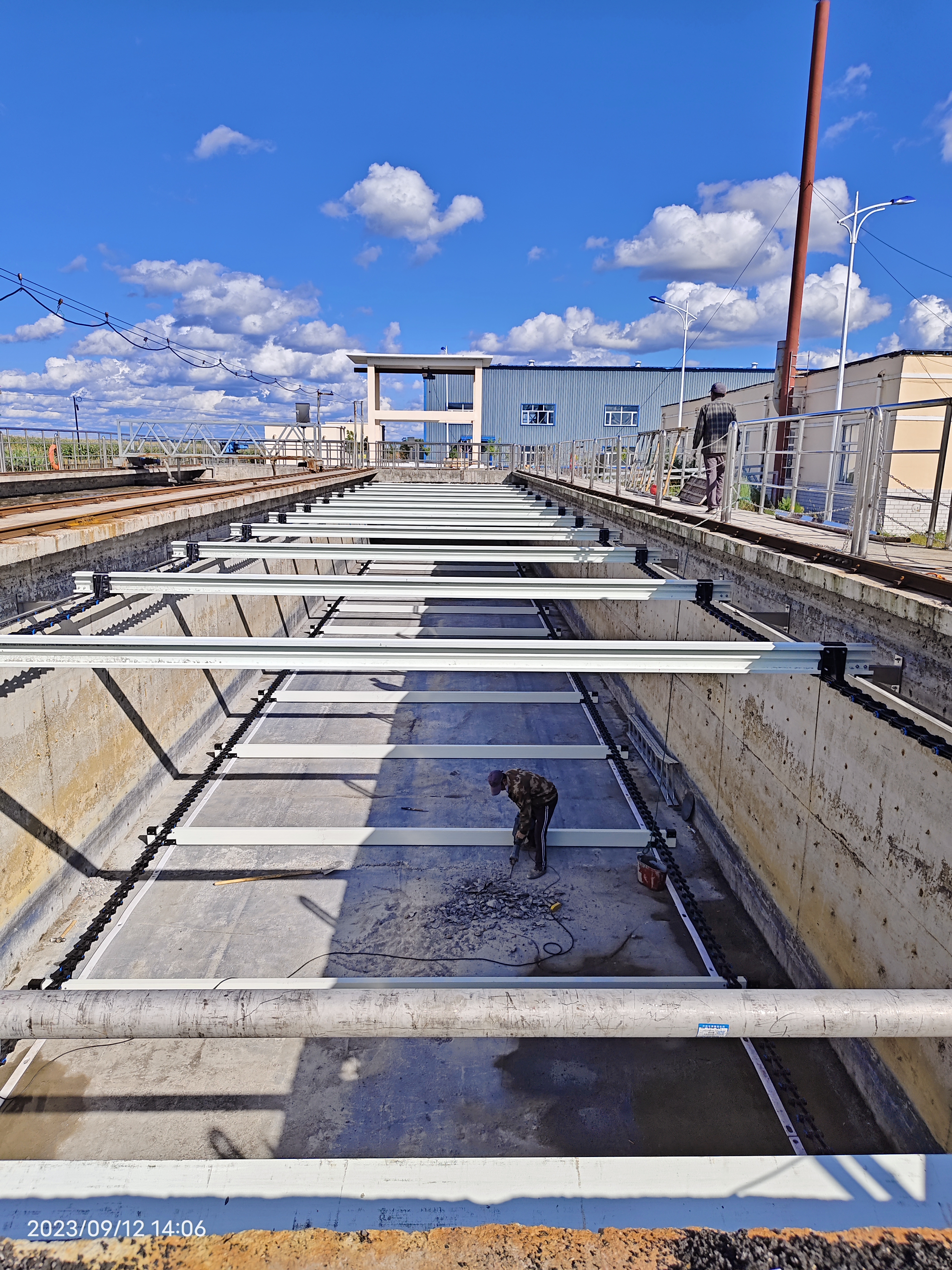
Why Standard Flying Scrapers Fail in Wide Sedimentation Tanks (>40 m) Structural Deflection: Horizontal Bow and Vertical Sag Under Load Flying scrapers typically bend too much when installed in tanks over 40 meters wide. The horizontal bowing that h...
VIEW MORE EN
EN