
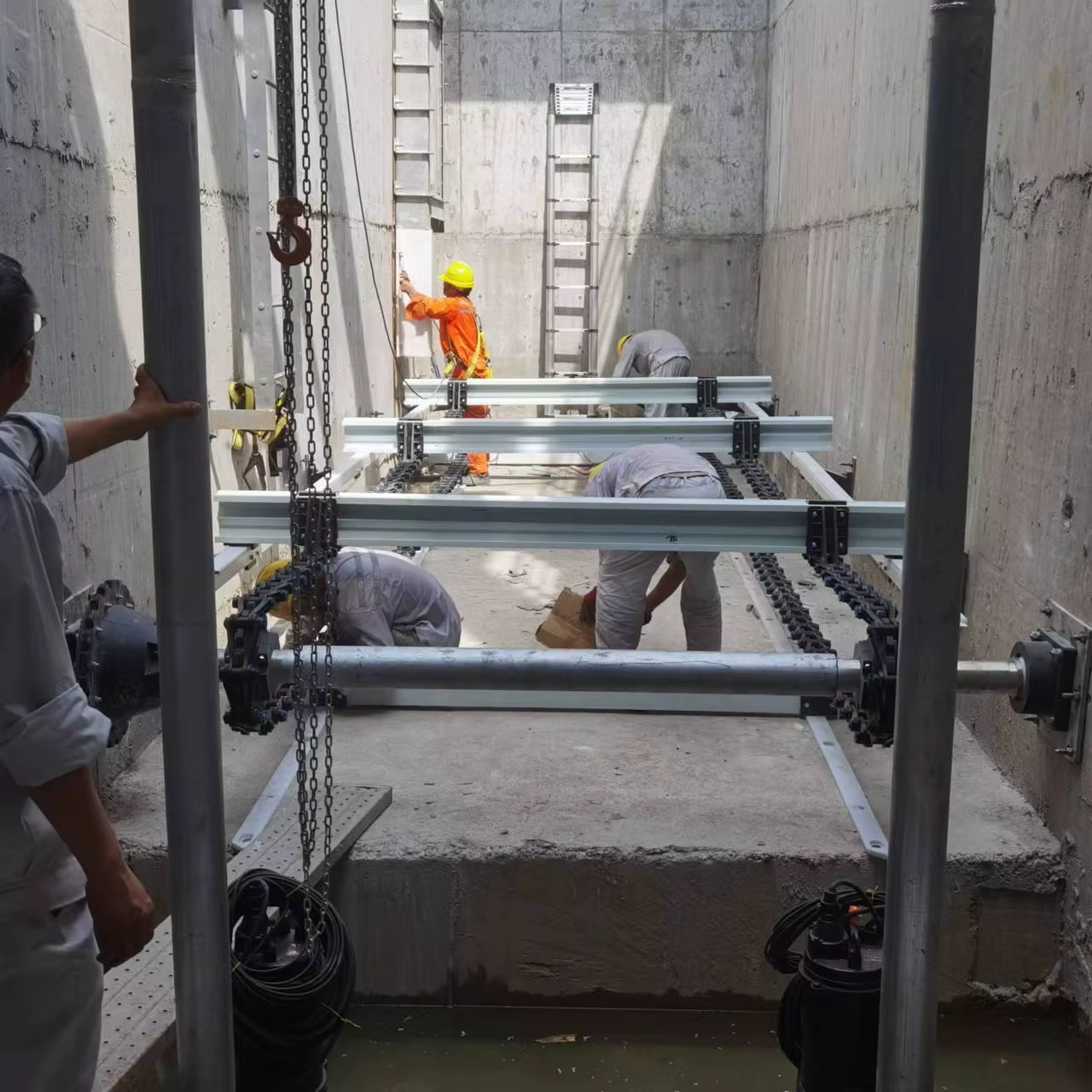
Match Scraper System Design to Your Wastewater CharacteristicsHow Solids Concentration, Fibrous Content, and Abrasiveness Affect Scraper SelectionThe physical and chemical makeup of the sludge directly dictates the mechanical demands on a scraper sys...
VIEW MORE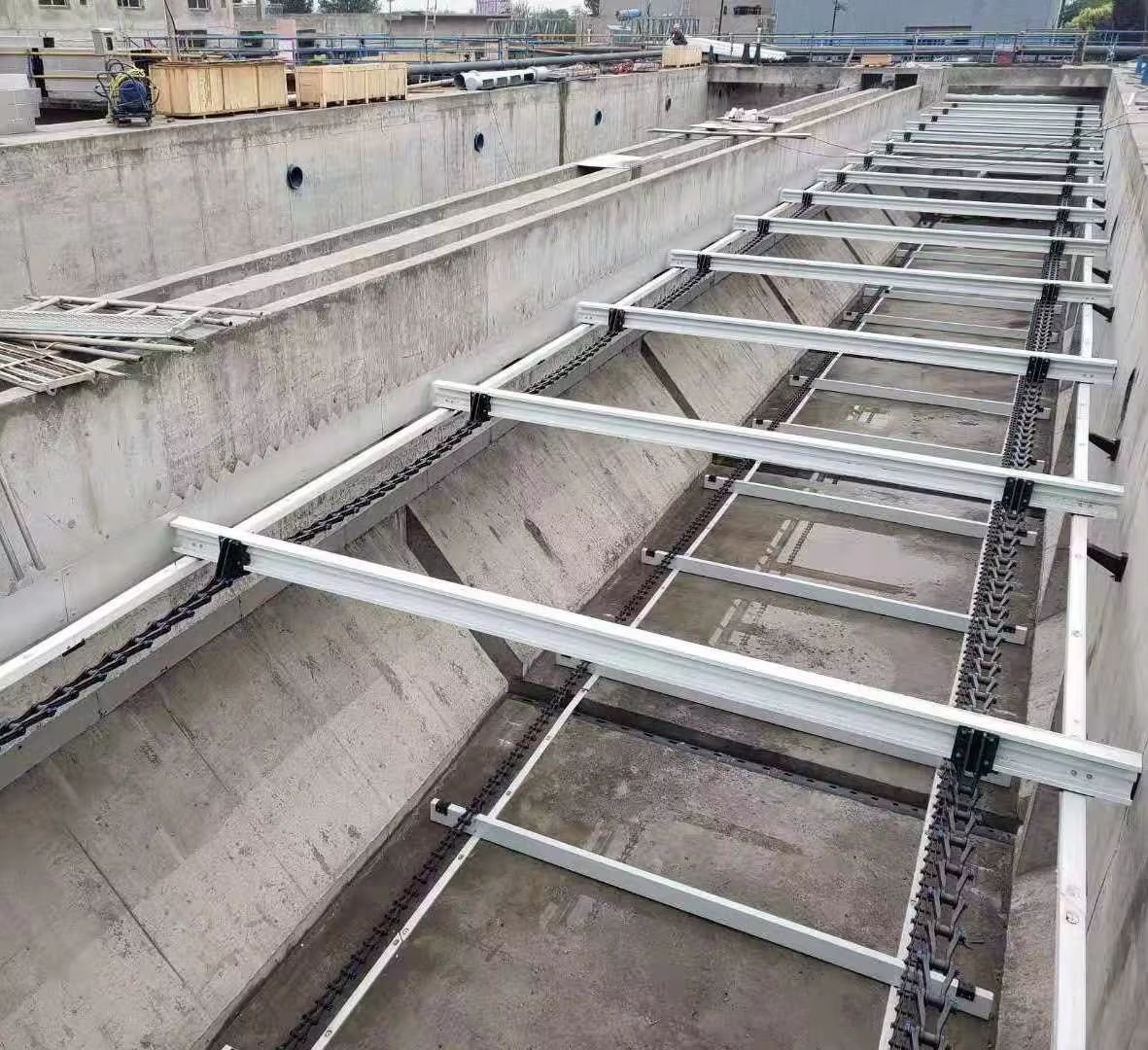
Surviving the Extreme: Non-Metallic Flying Scrapers for Wastewater That Eats Metal Highly corrosive wastewater — pH below 3, sulfide concentrations above 200 ppm, chloride levels exceeding 5,000 ppm — destroys carbon steel flying scrape...
VIEW MORE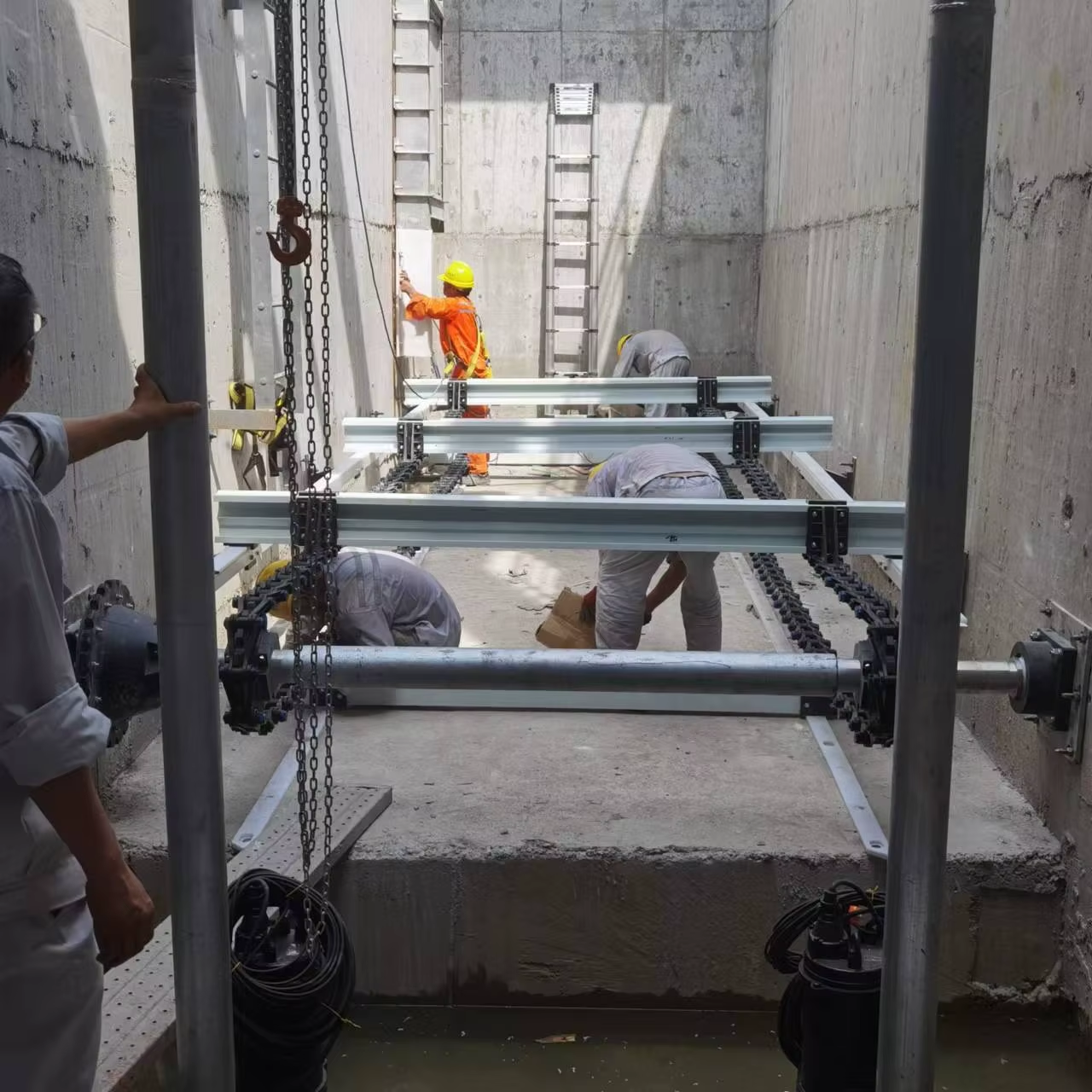
Breaking the Failure Cycle: Why Non-Metallic Chain Scraper Systems Outlast Metal by Years A scraper system that fails every few months is not an anomaly — it is a predictable consequence of operating metal chain and flight components in an en...
VIEW MORE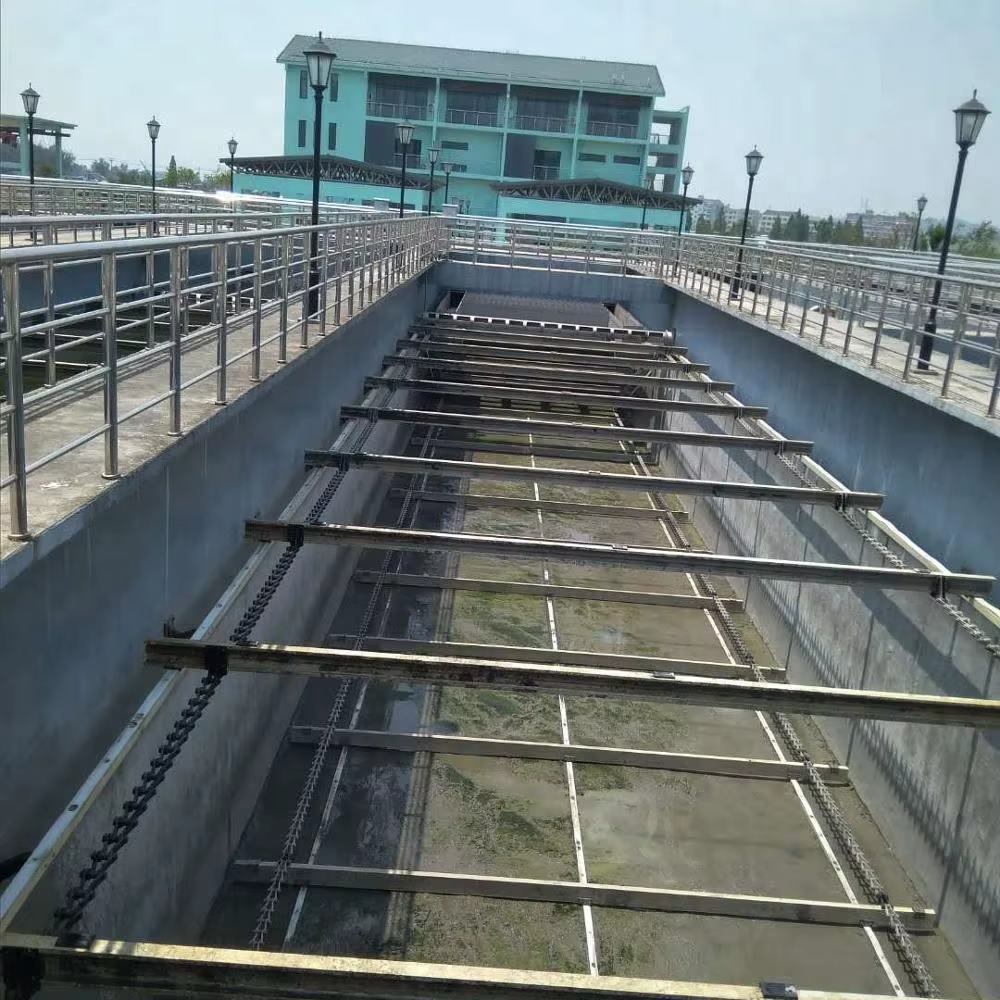
The TCO Gap: Metal vs Non-Metallic Mud Scrapers in Five Years of Corrosive Service A mud scraper operating in a sedimentation tank with pH below 4 and hydrogen sulfide above 50 ppm consumes its purchase price in maintenance costs within the first t...
VIEW MORE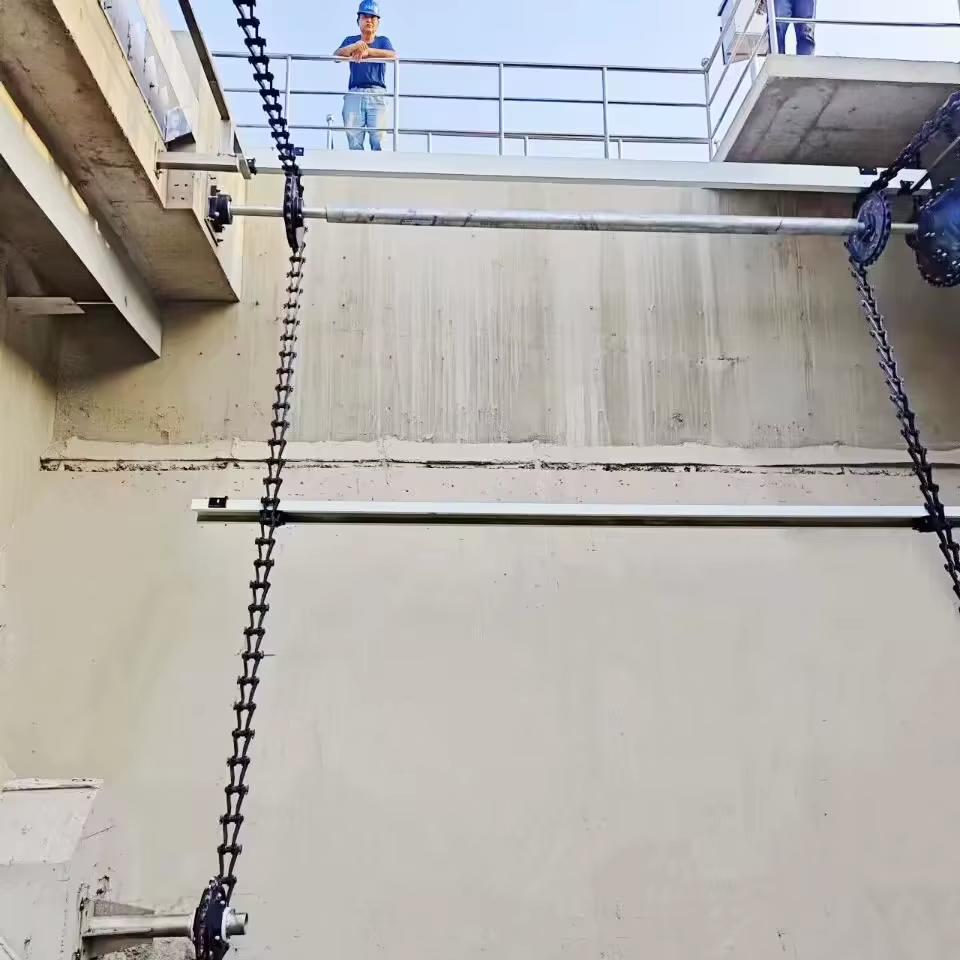
Sourcing Smart: Why Direct-from-Factory Scraper Procurement Delivers More Than Price Procurement managers at wastewater treatment plants face a supply chain problem disguised as an equipment problem. The sludge scraper market is dominated by tradin...
VIEW MORE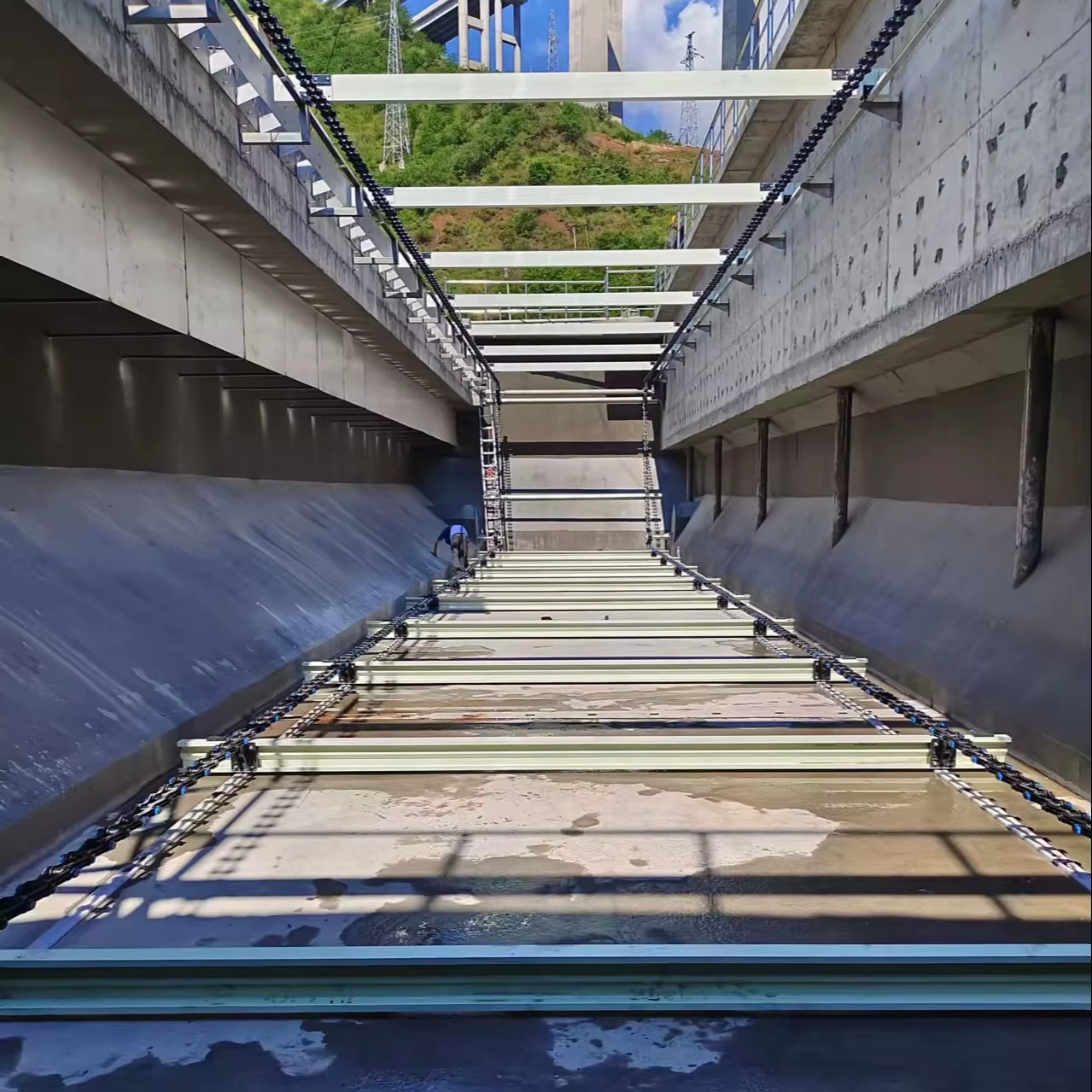
The Corrosion Clock: When a Sludge Scraper Rusts Faster Than It Cleans Every metallic sludge scraper installed in a wastewater treatment plant carries an invisible expiration date. The countdown begins the moment hydrogen sulfide concentrations in ...
VIEW MORE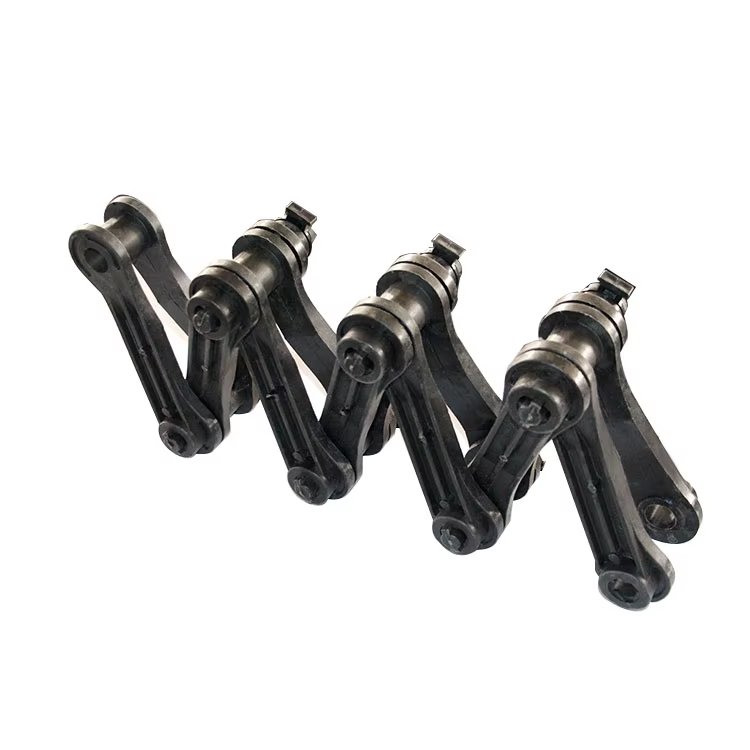
The Weight-Efficiency Connection in Sludge Handling Sedimentation tank scraper systems operate continuously, moving settled solids across tank floors to collection hoppers. The drive motor runs against the combined resistance of scraper assembly we...
VIEW MORE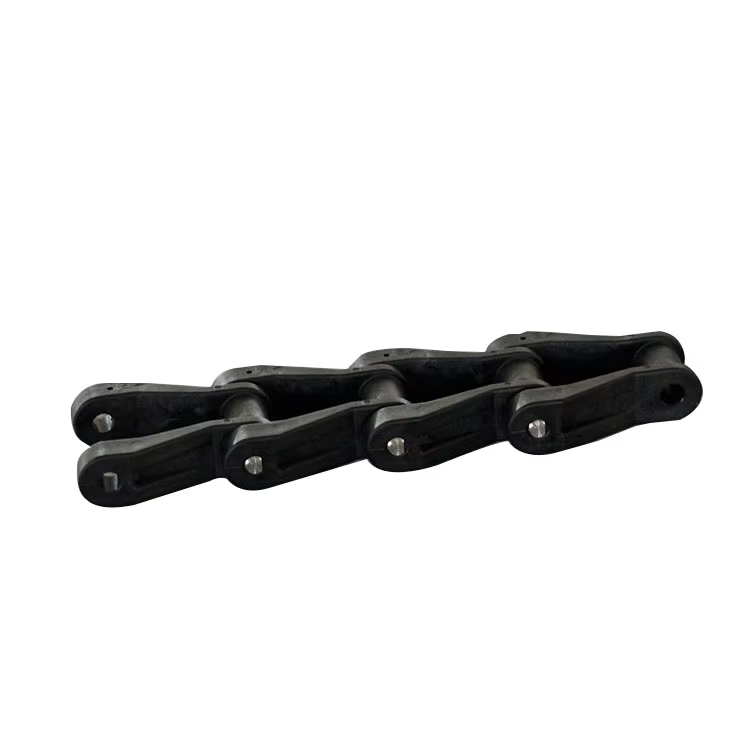
The Corrosion Challenge in Wastewater Treatment Sewage treatment environments are among the most corrosive industrial settings. Hydrogen sulfide from anaerobic decomposition forms sulfuric acid in the presence of moisture, attacking metal component...
VIEW MORE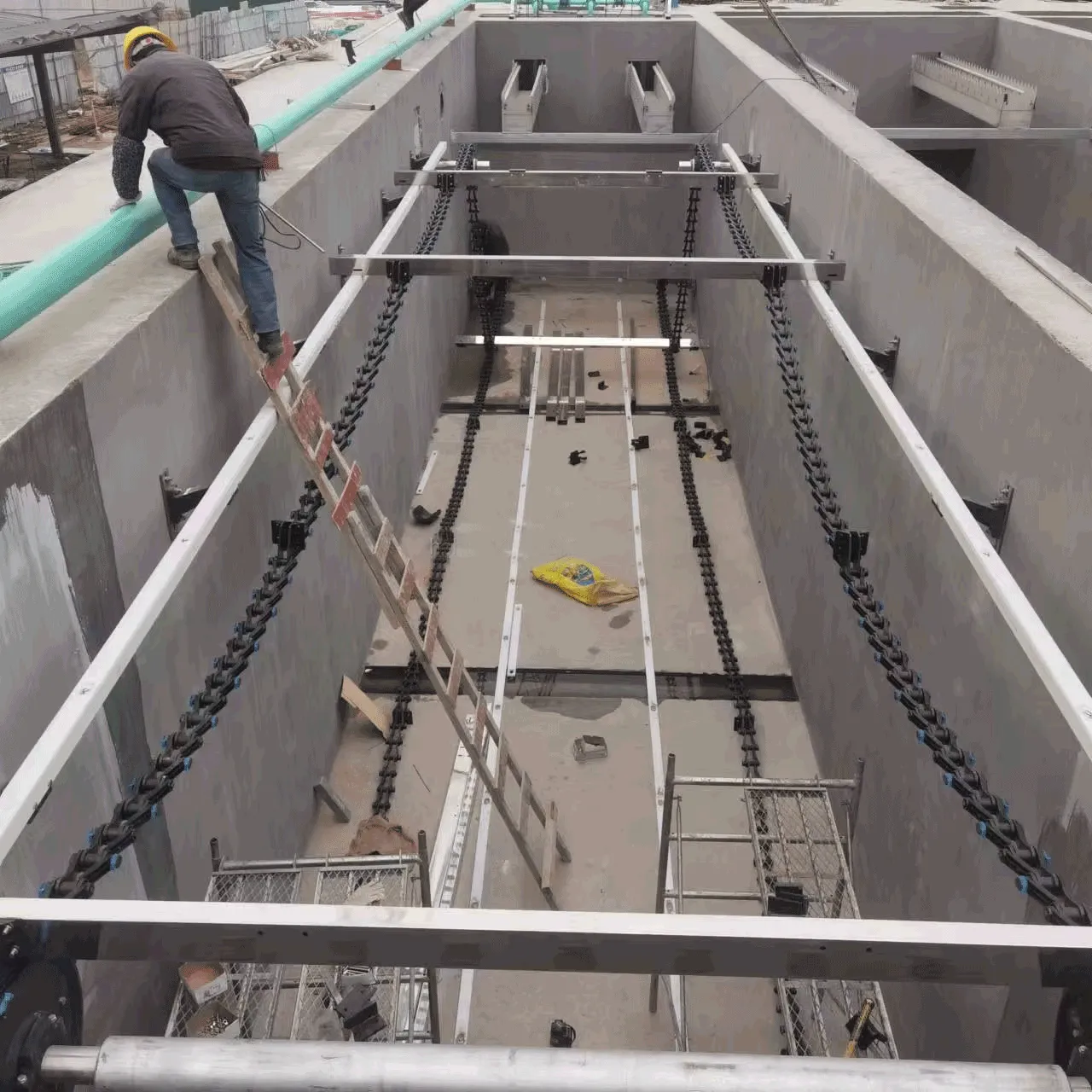
The Replacement Frequency Hierarchy in a Wastewater Plant Sewage treatment plant equipment is replaced on a predictable hierarchy that every plant operator learns through budget cycles. At the top — the component consuming the largest mainten...
VIEW MORE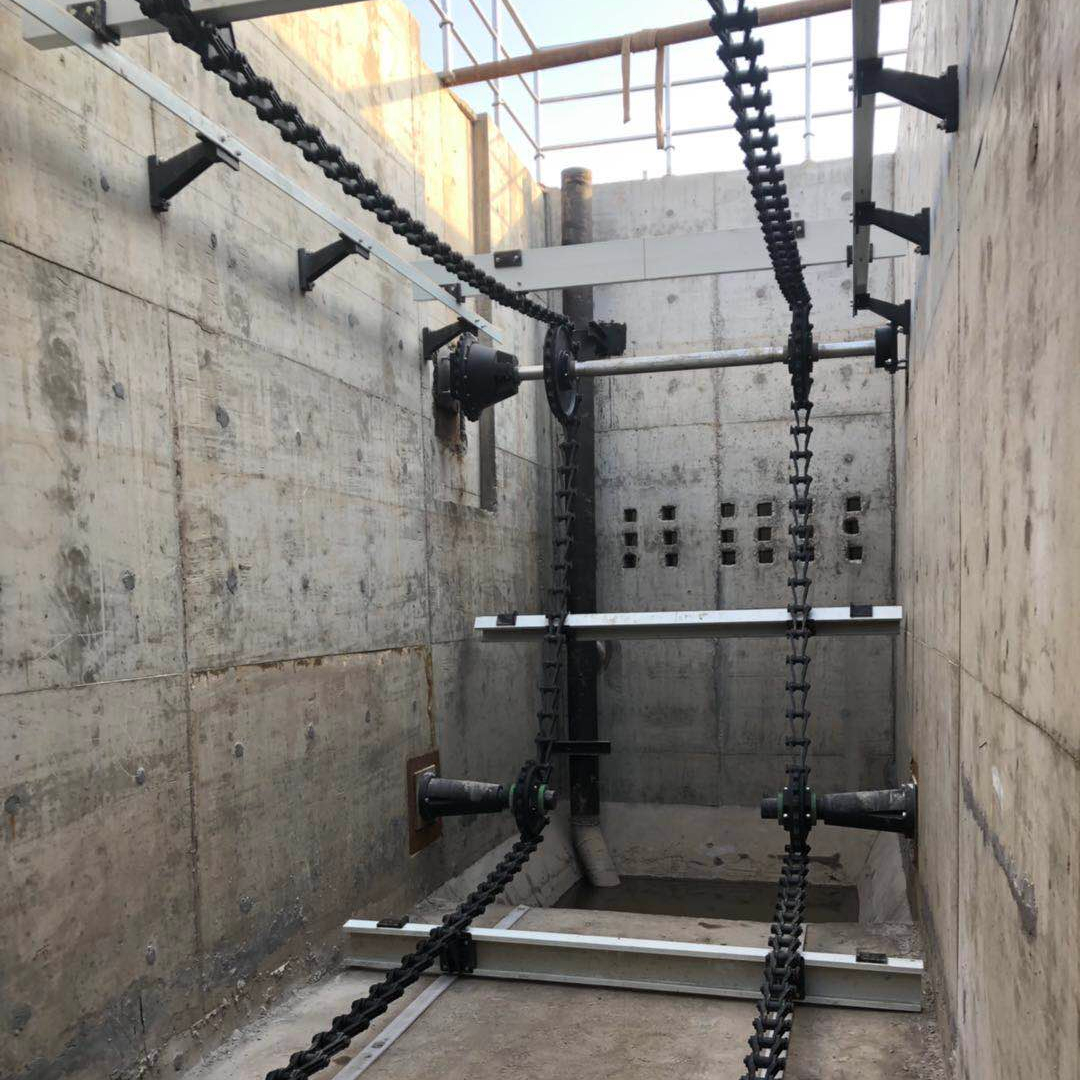
The Stainless Steel Problem in Wastewater Corrosion A sewage treatment plant managing 50,000 cubic meters of municipal wastewater daily operates in a chemically aggressive environment. Primary clarifier effluent contains 150 to 400 mg/L chloride io...
VIEW MORE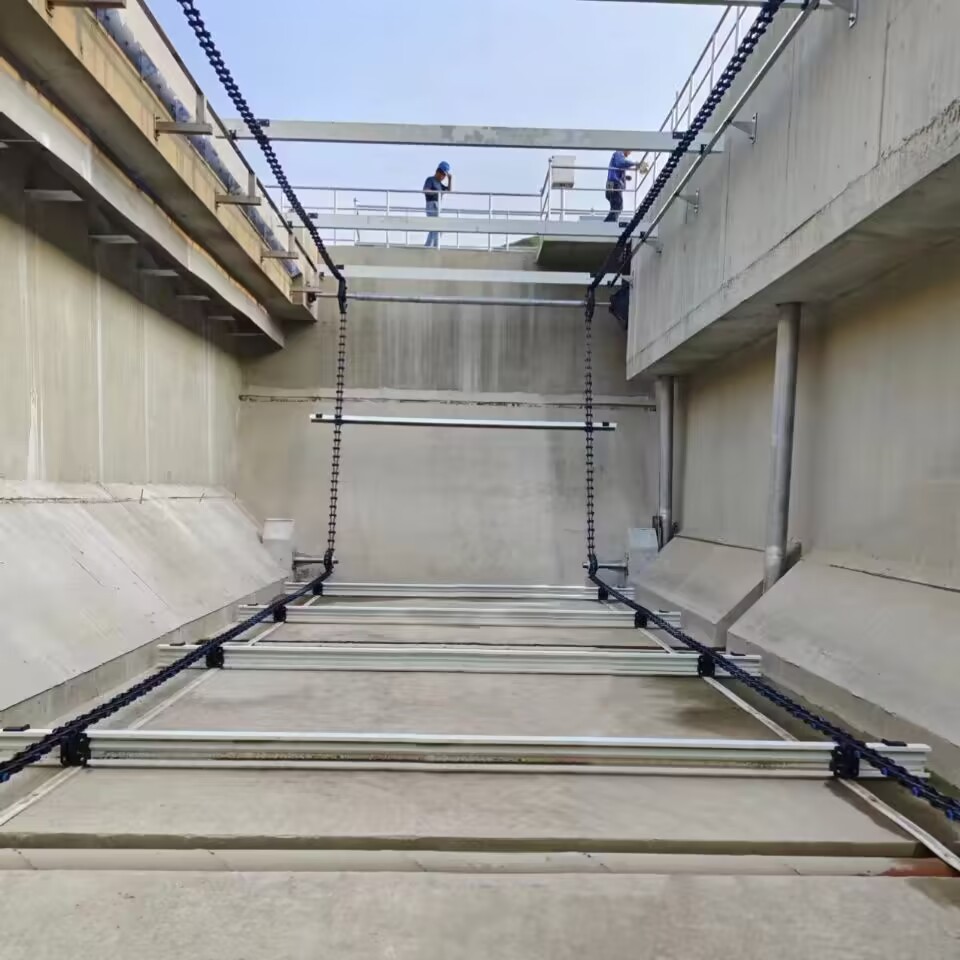
Why Scraper Systems Corrode in Standard Wastewater A scraper system in a municipal wastewater plant operates in what appears to be standard sewage — yet metal components corrode at three times the rate seen at a neighboring facility. The diff...
VIEW MORE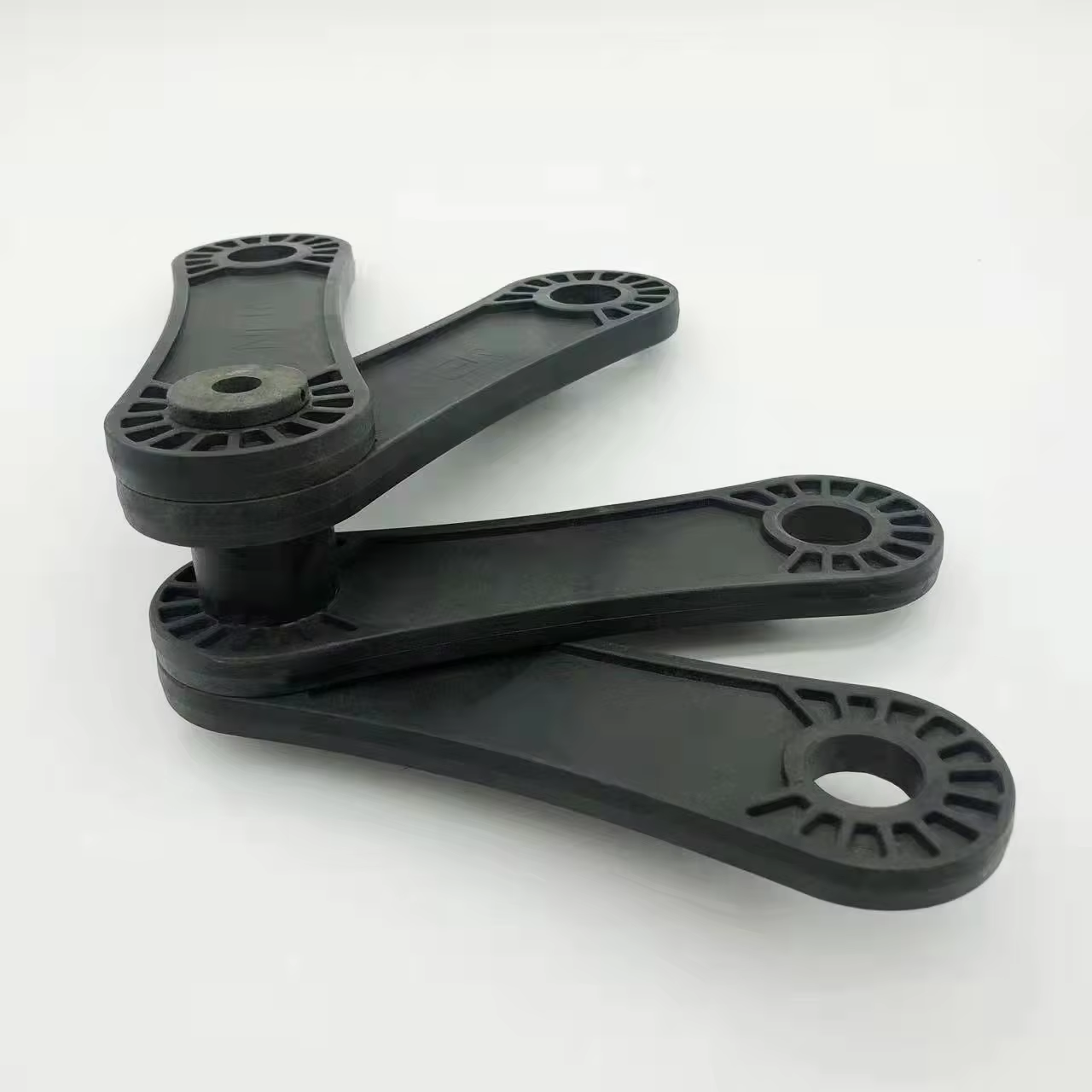
Superior Corrosion Resistance of Plastic Scrapers in Aggressive Chemical EnvironmentsUHMWPE and Polyurethane Performance in Low-pH, Oxidative, and Sulfide-Rich WastewaterWastewater treatment environments subject equipment to extreme chemical stress—i...
VIEW MORE EN
EN