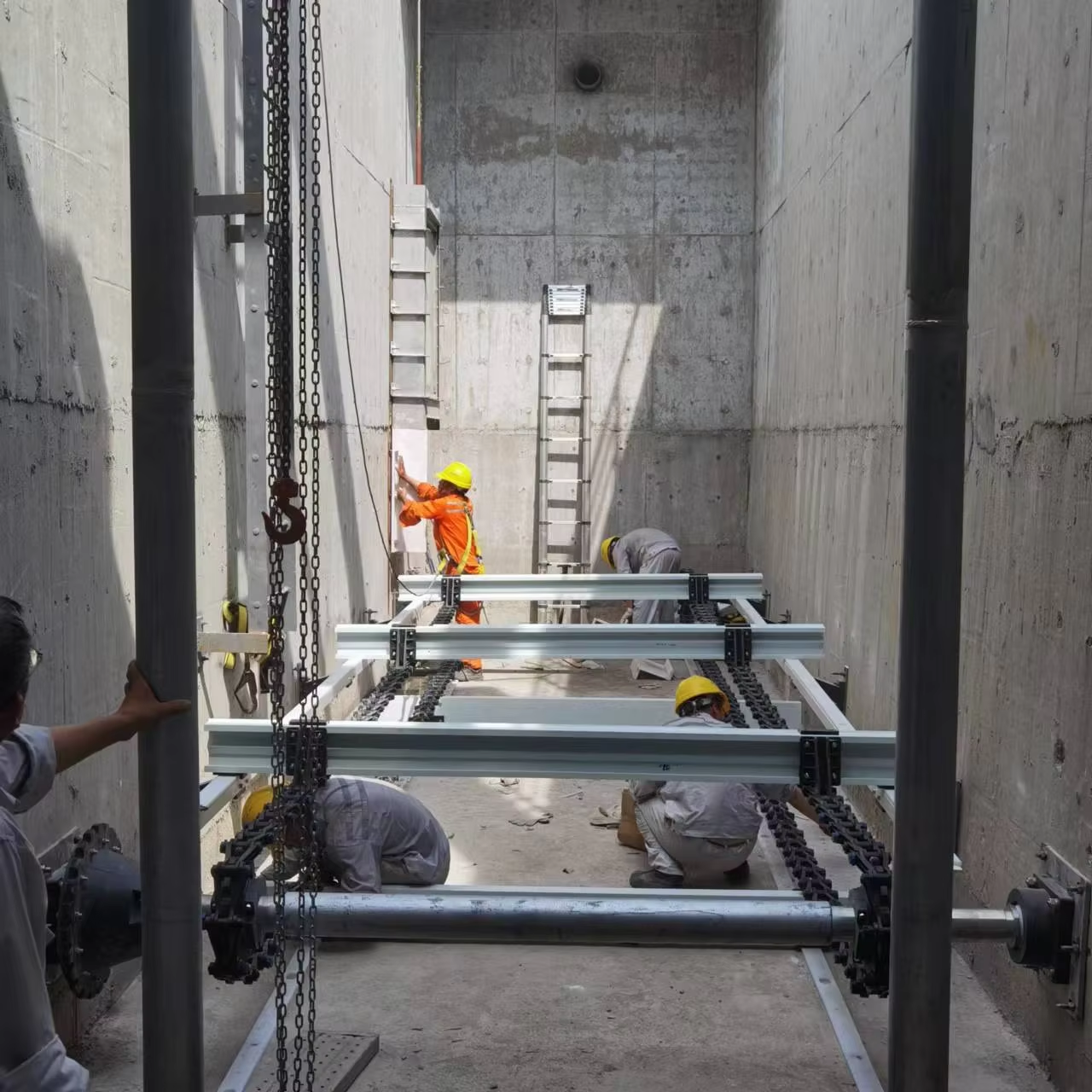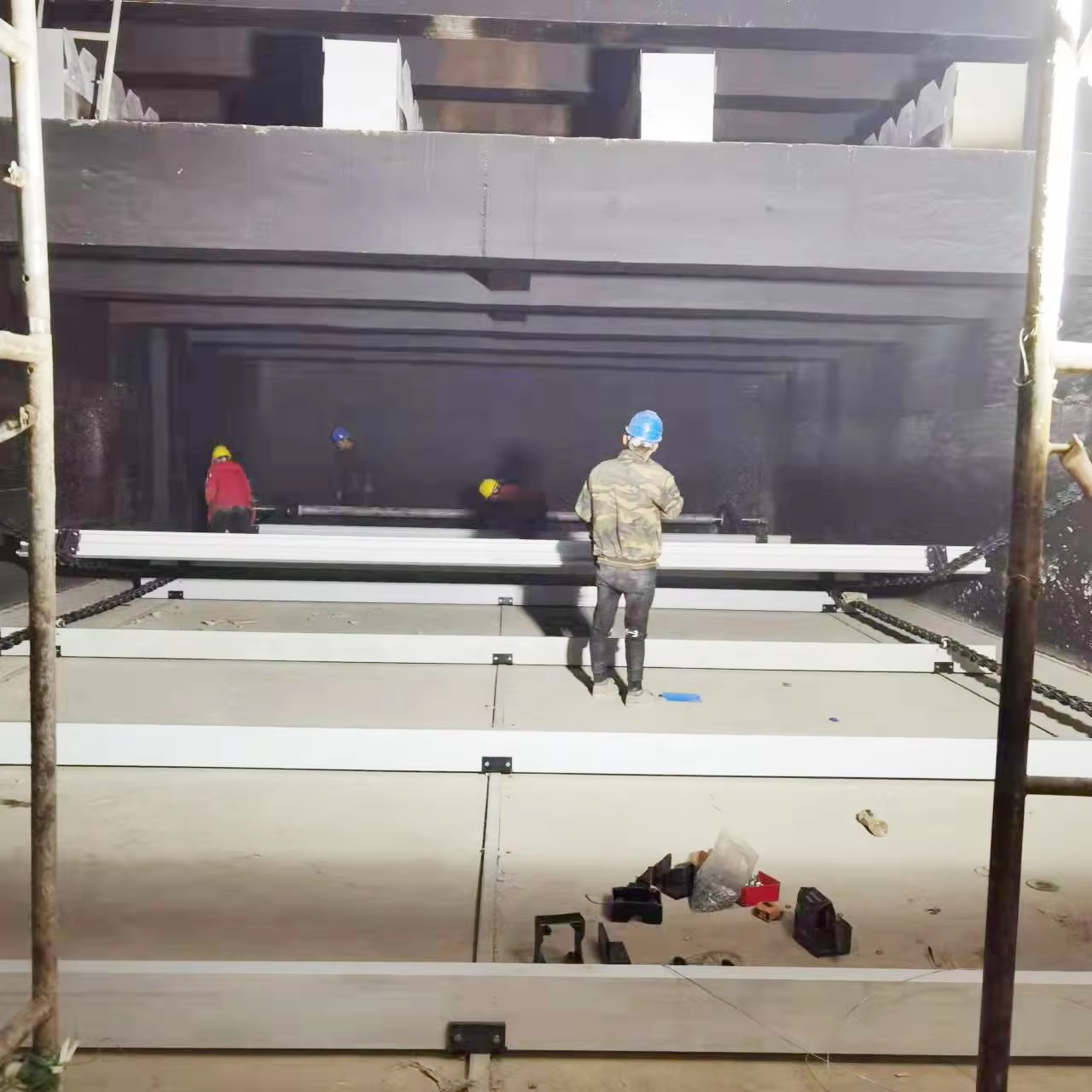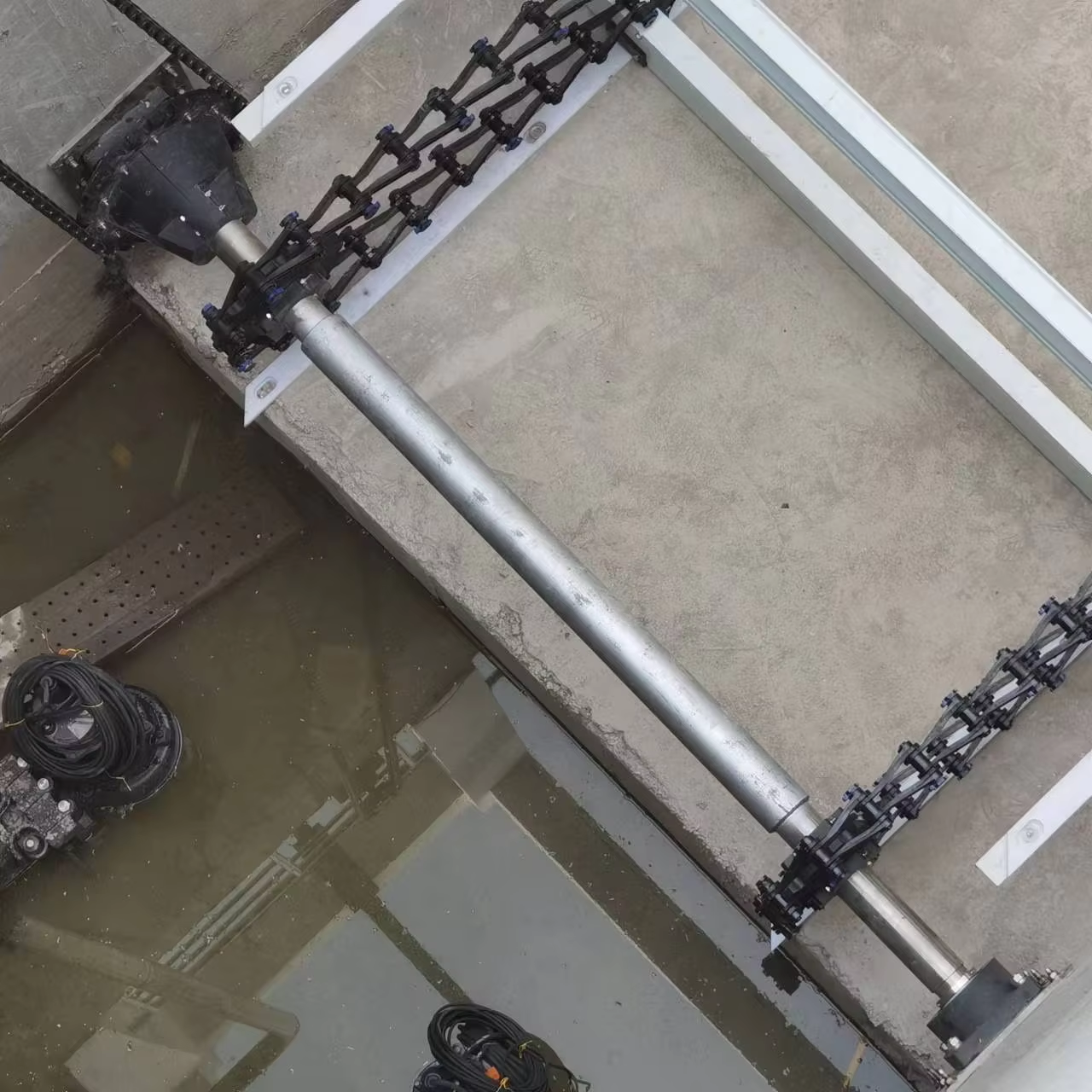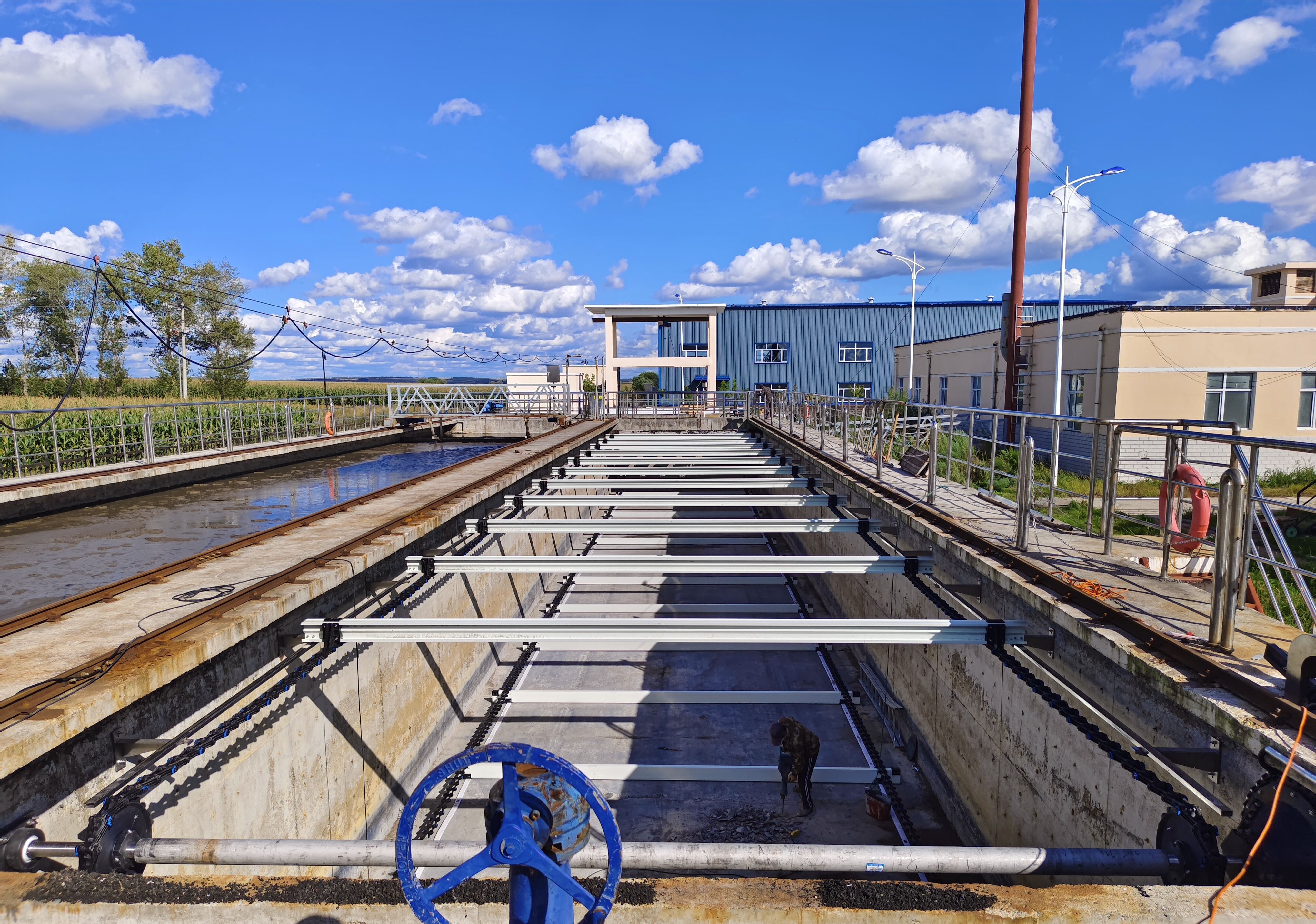
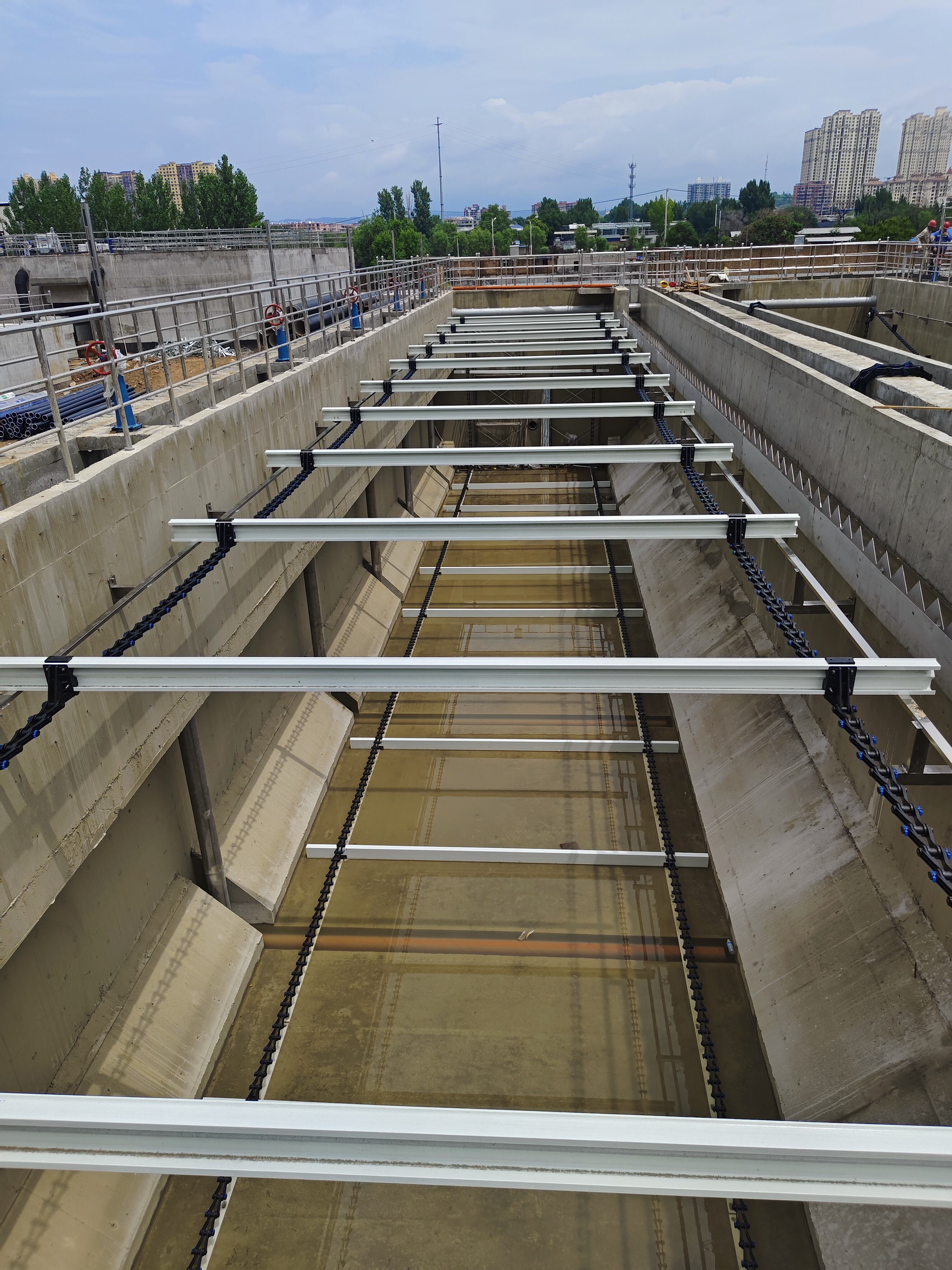
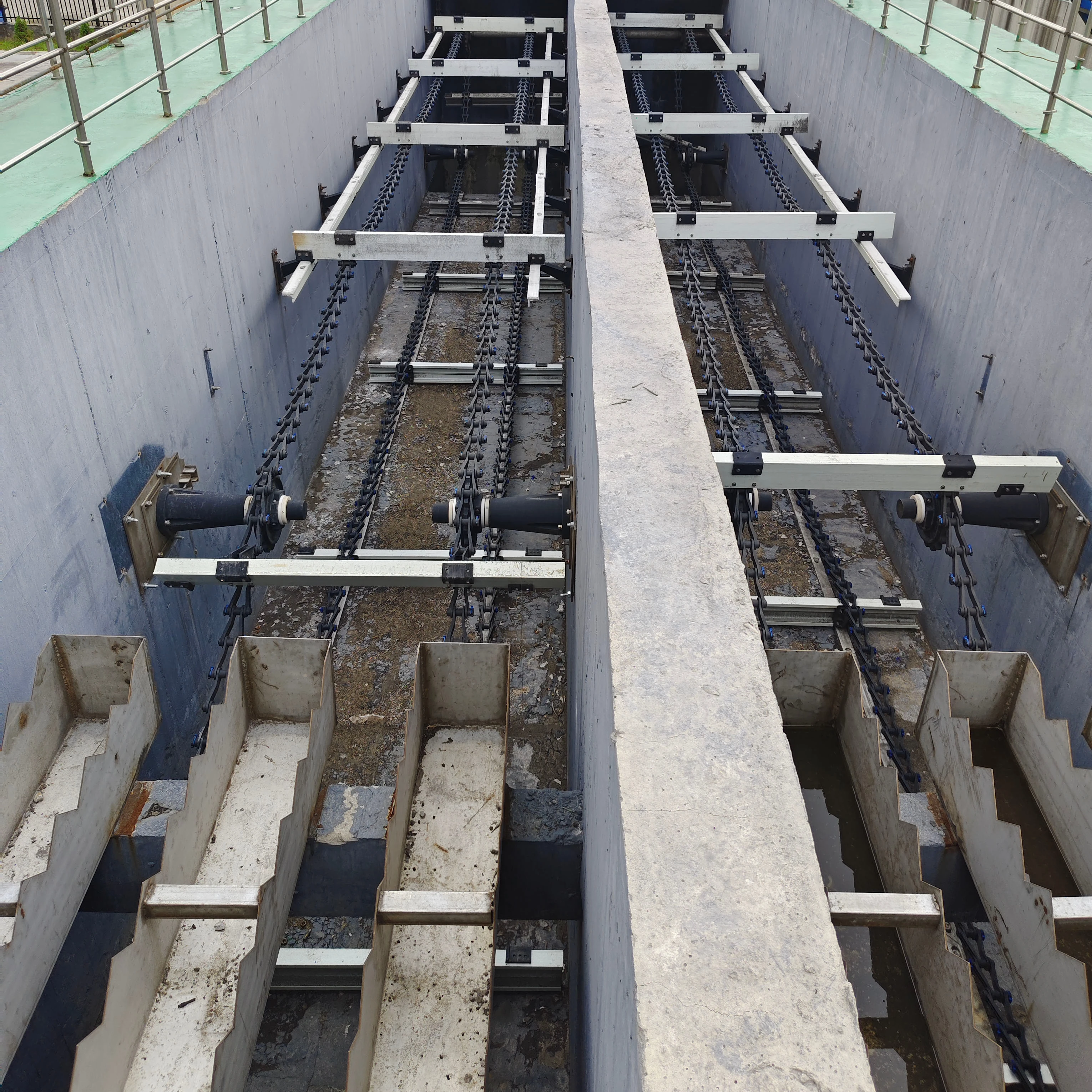
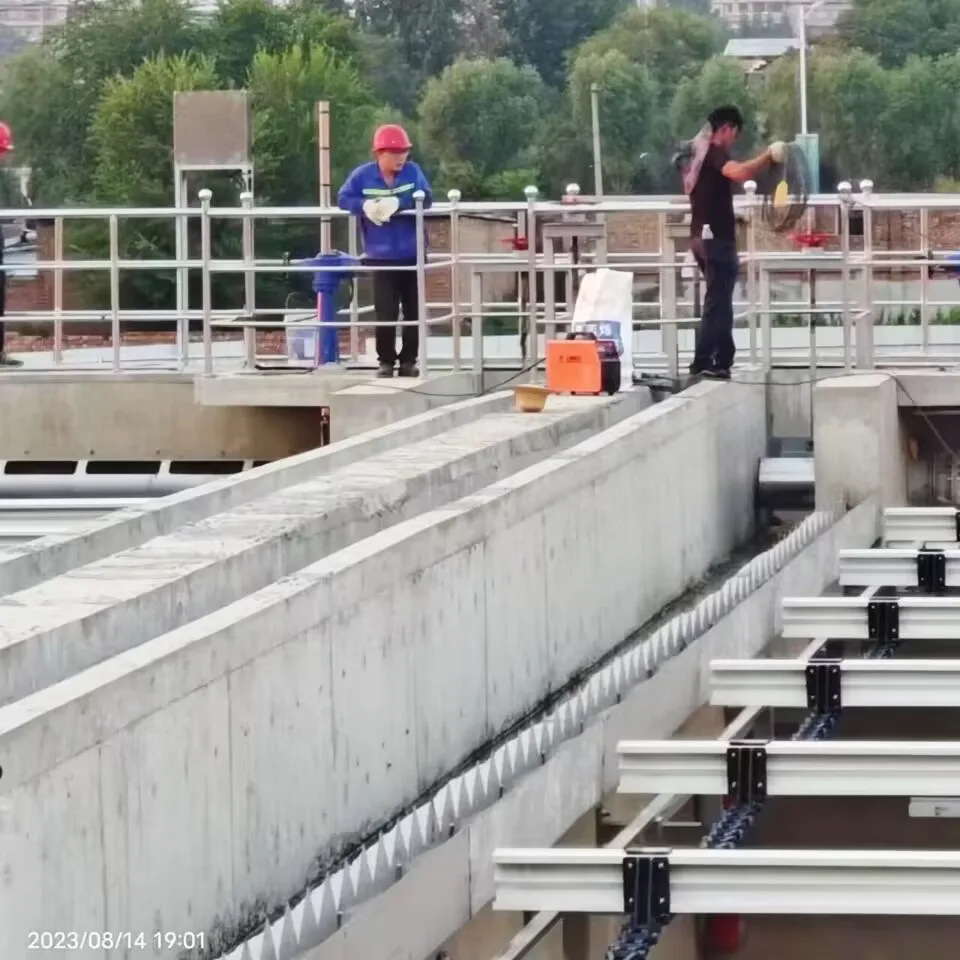
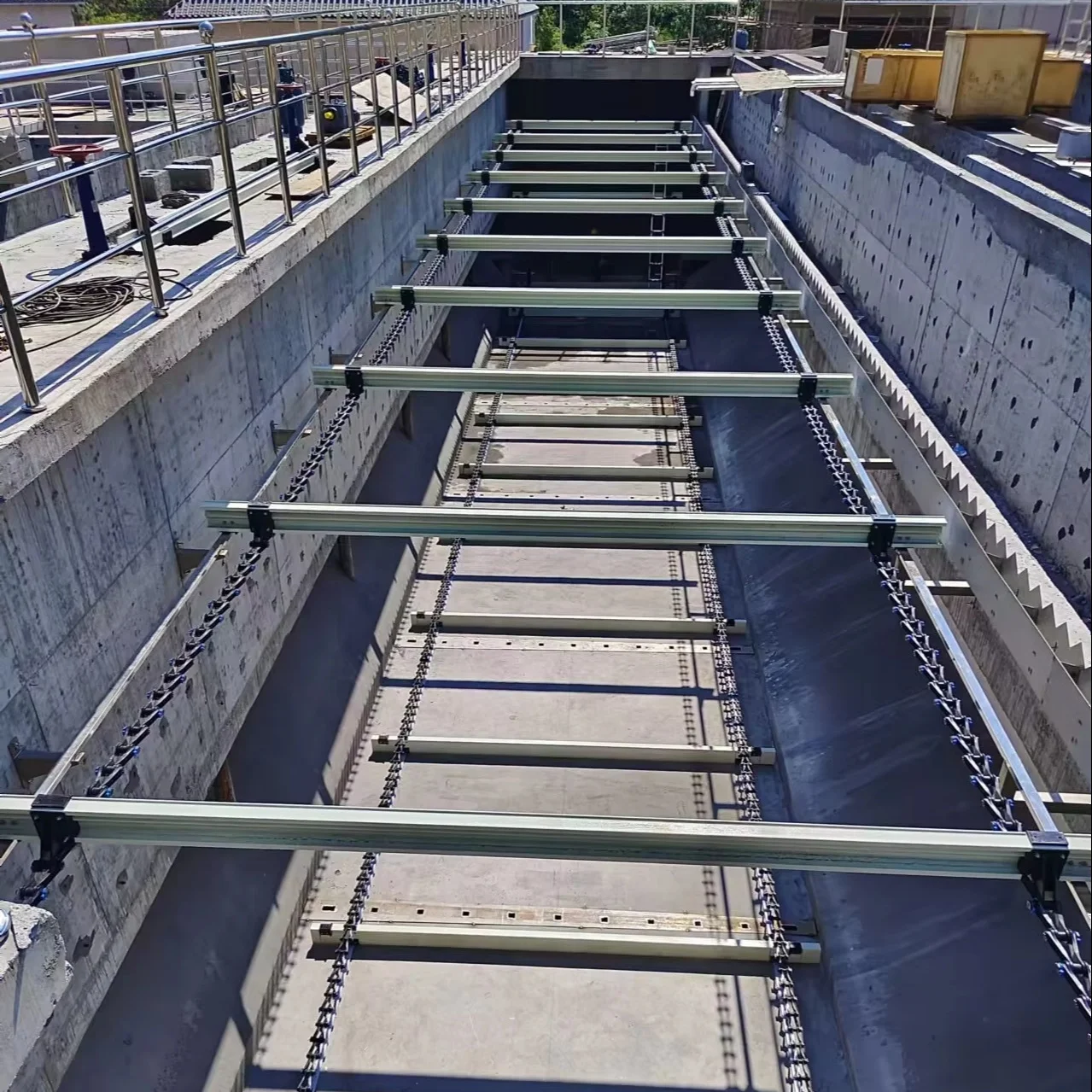
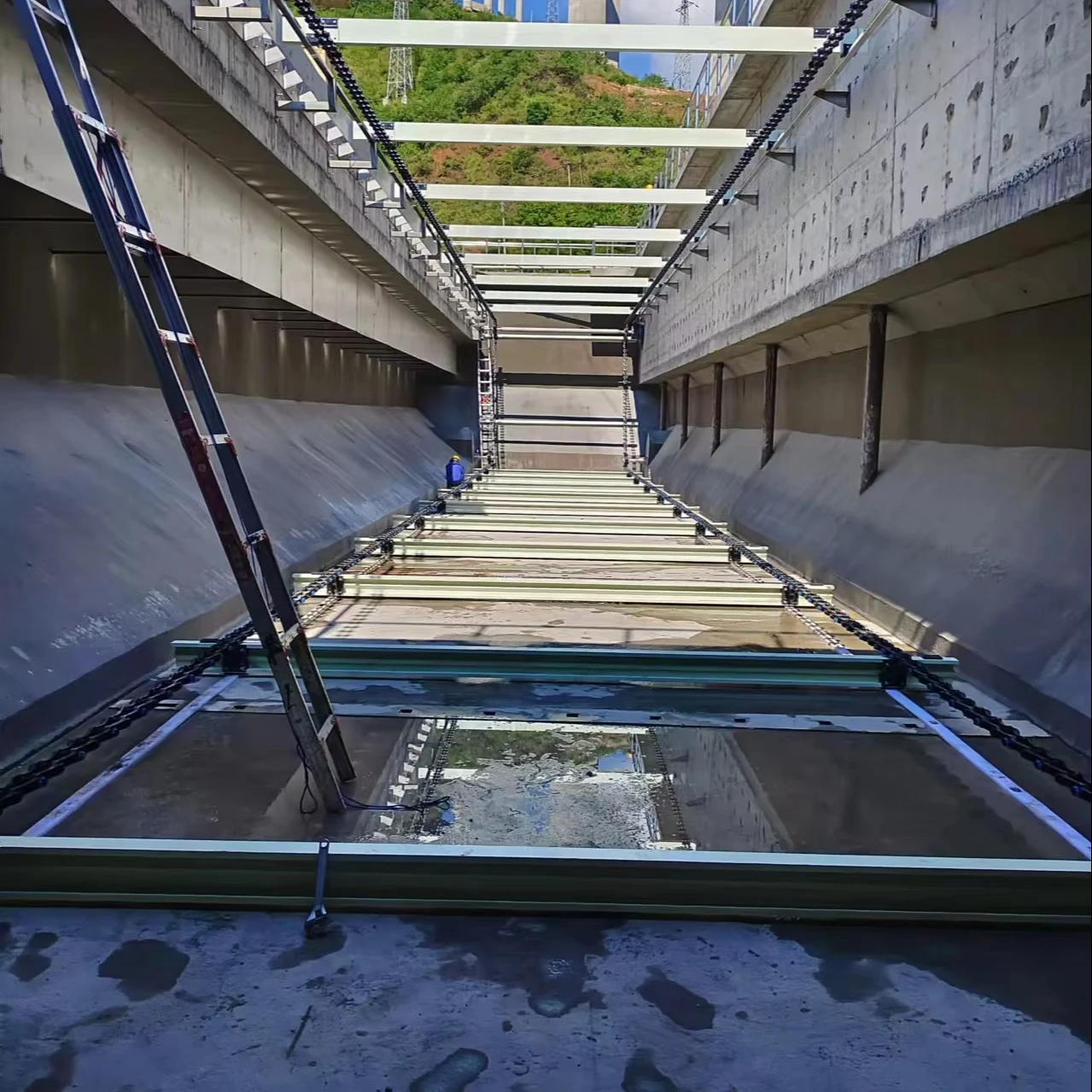
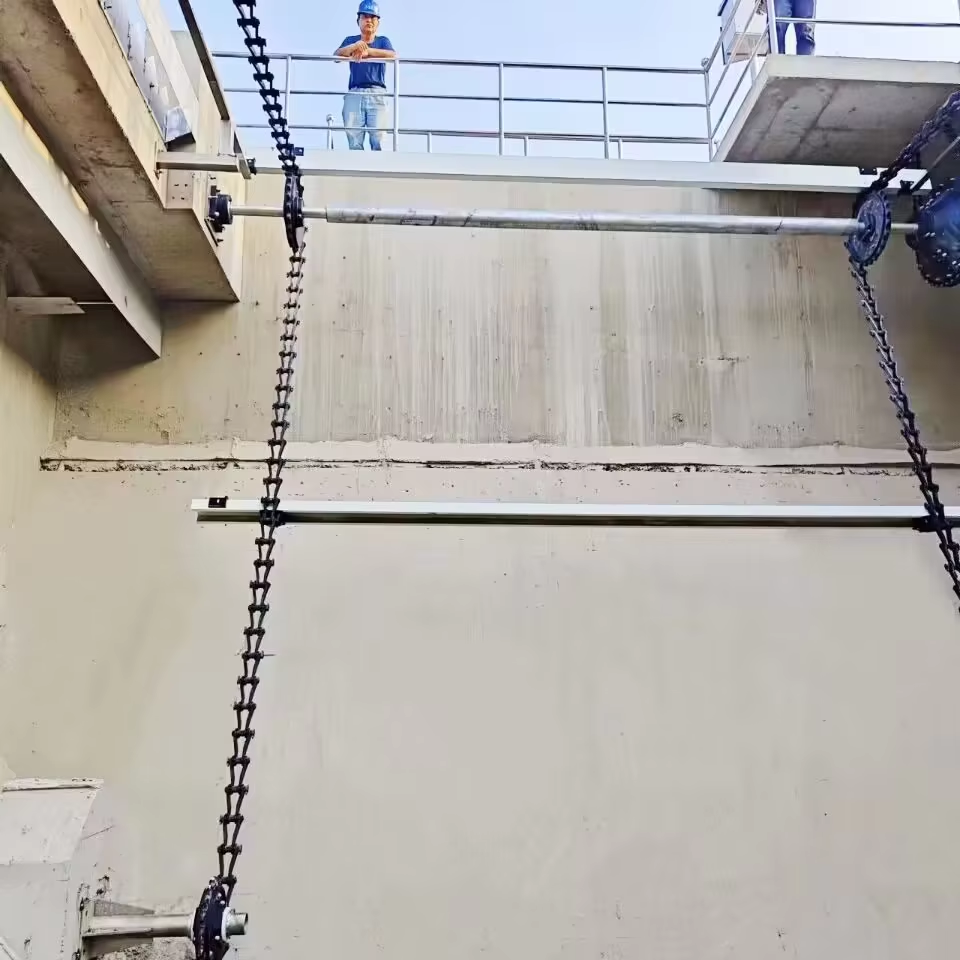
A sedimentation tank scraper system is a fundamental mechanical component within water and wastewater treatment facilities, designed to automate the removal of settled solids (sludge) from the bottom of sedimentation basins or clarifiers. These systems are paramount for maintaining continuous plant operation, ensuring consistent effluent quality, and preventing the accumulation of solids that would otherwise reduce tank capacity and treatment efficiency. Scraper systems come in various configurations, primarily categorized for rectangular tanks (typically chain and flight systems) and circular tanks (typically revolving bridge or center-driven systems). The core components include a drive unit, a conveyance mechanism (chains, cables, or a rotating bridge), and scraper flights or blades that physically move the sludge towards a collection hopper. The choice of materials, such as non-metallic composites for corrosive environments or stainless steel for certain applications, is critical for longevity and performance. In a practical scenario, without an effective scraper system, a sedimentation tank would require frequent and costly manual desludging, leading to operational interruptions and potential violations of discharge regulations. Therefore, a reliable, well-designed scraper system is not merely an accessory but the backbone of the sedimentation process, directly impacting the plant's operational reliability, maintenance costs, and overall treatment efficacy.