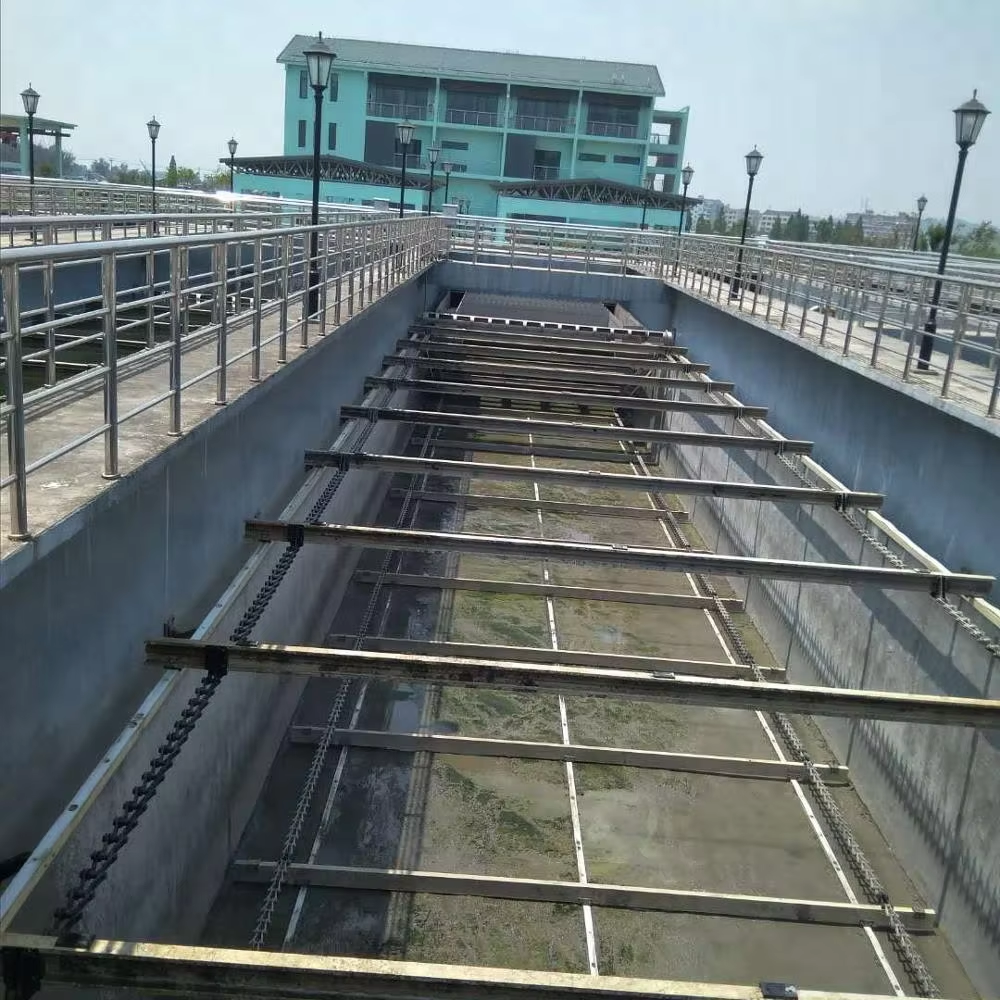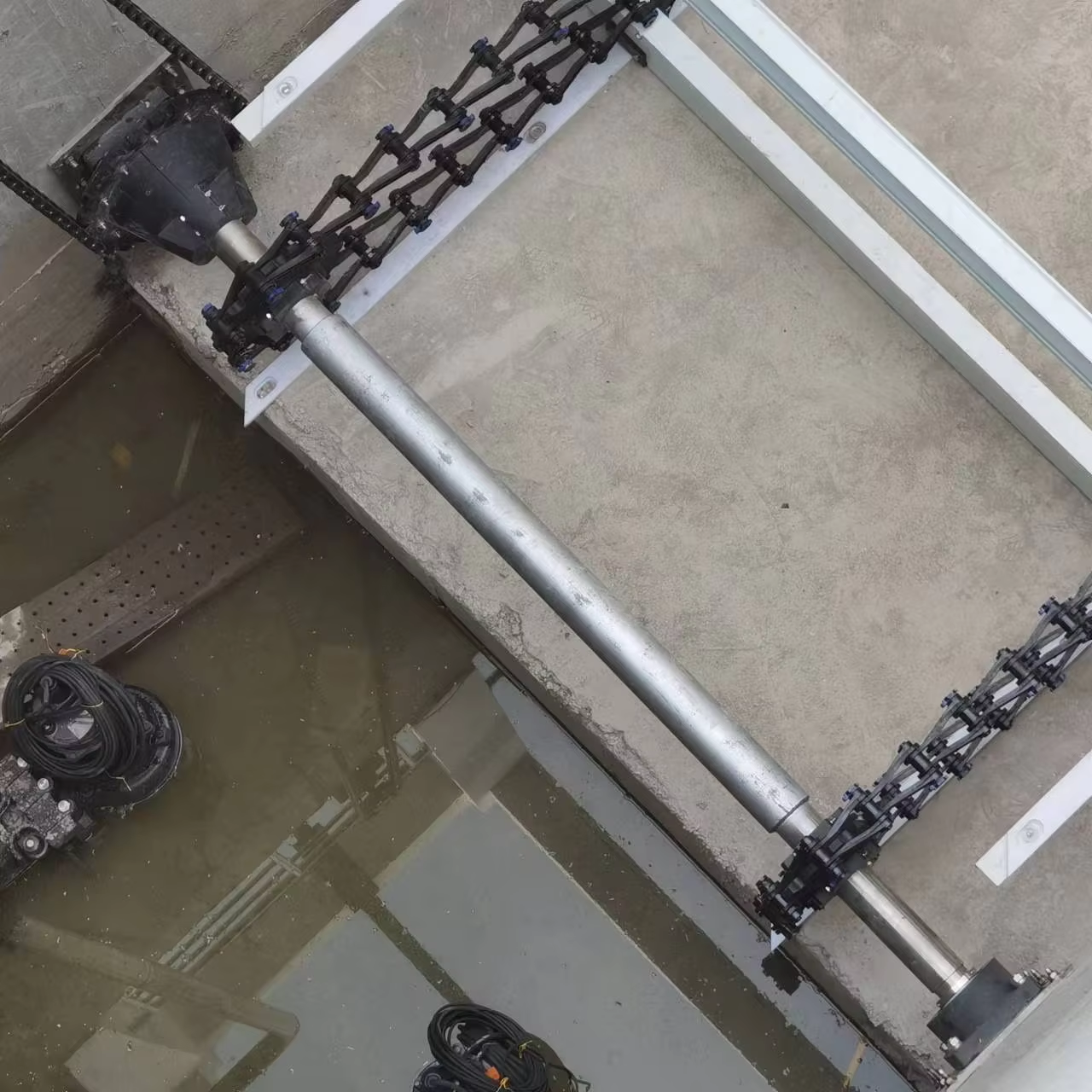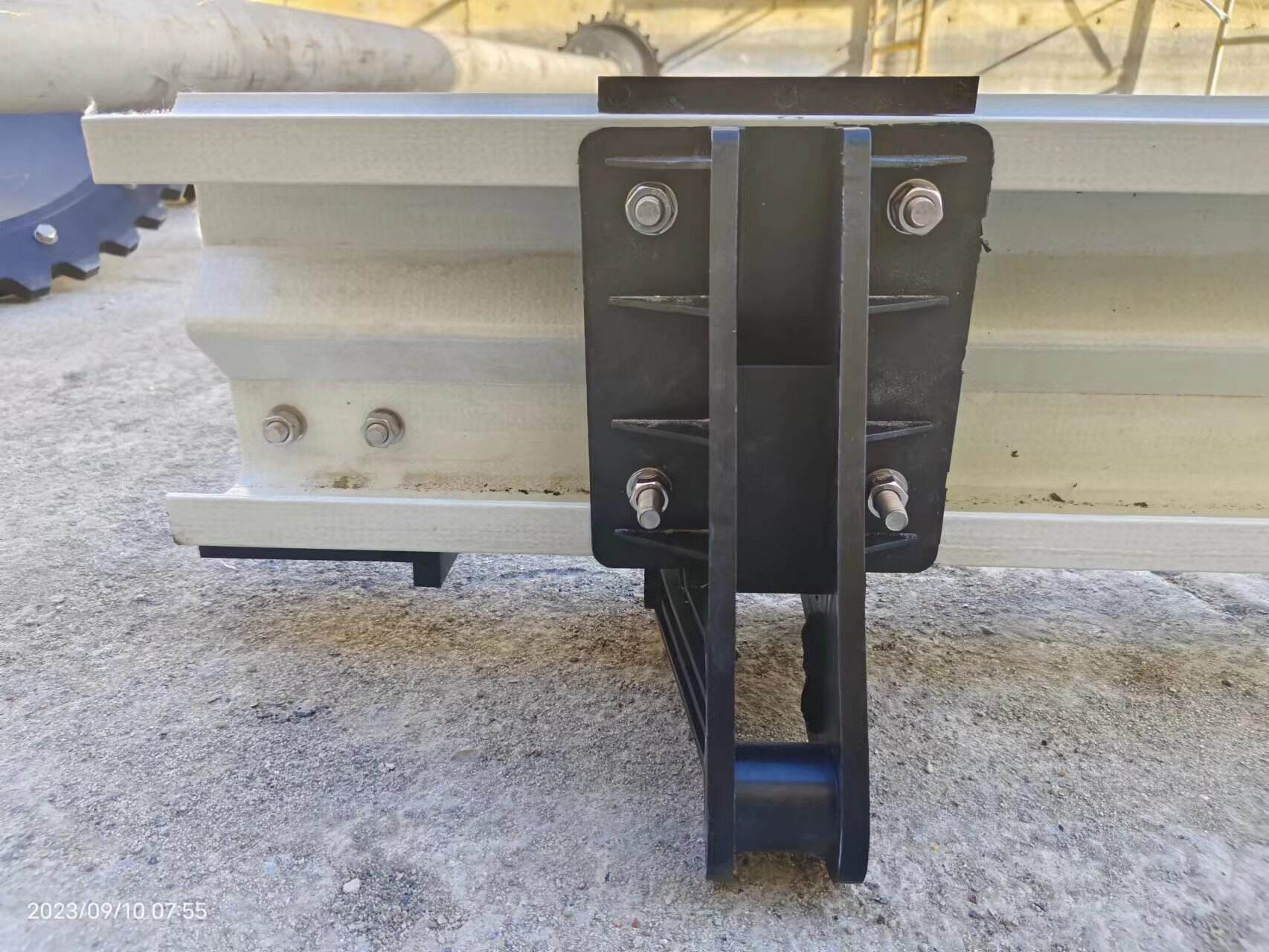
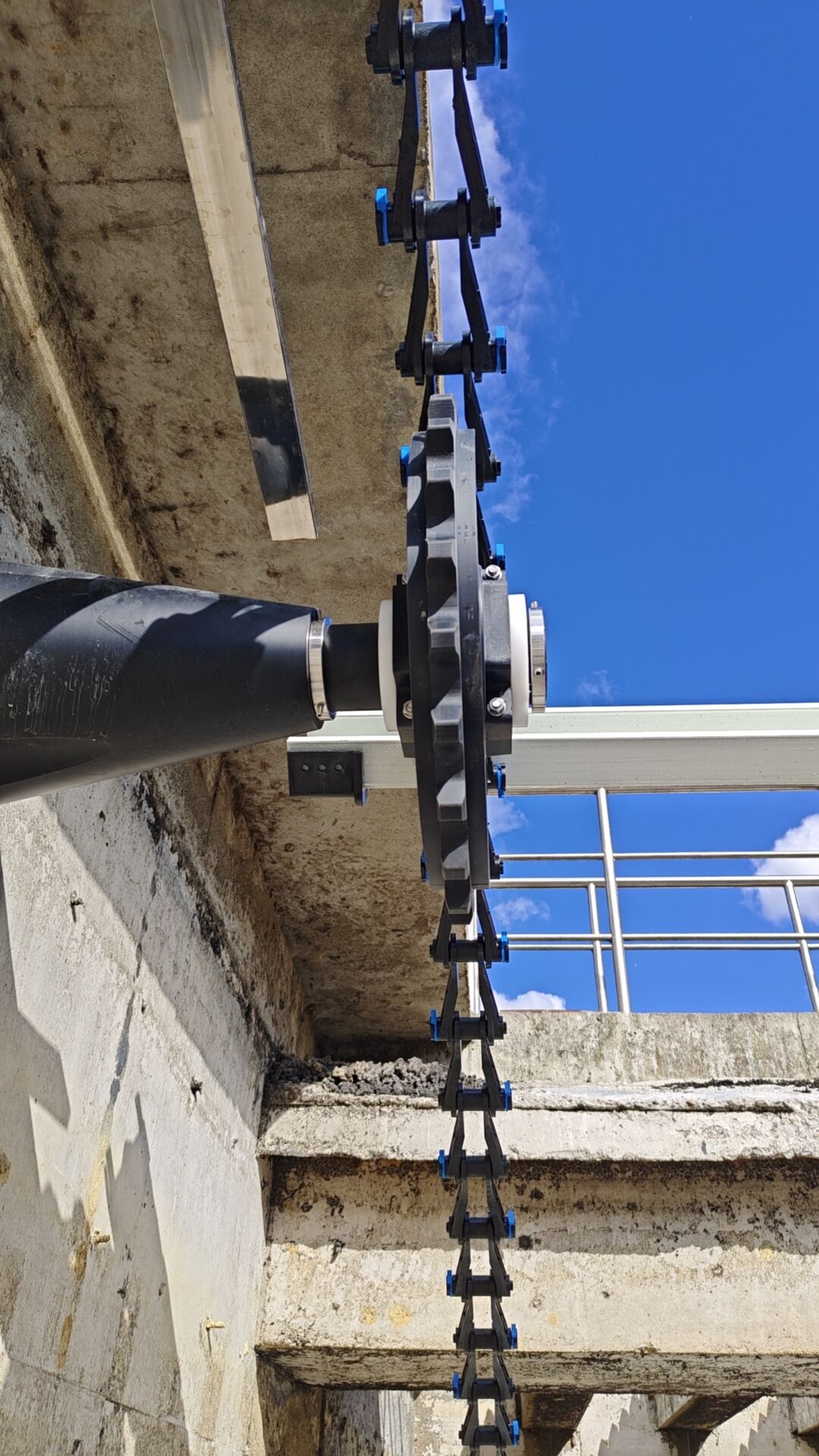
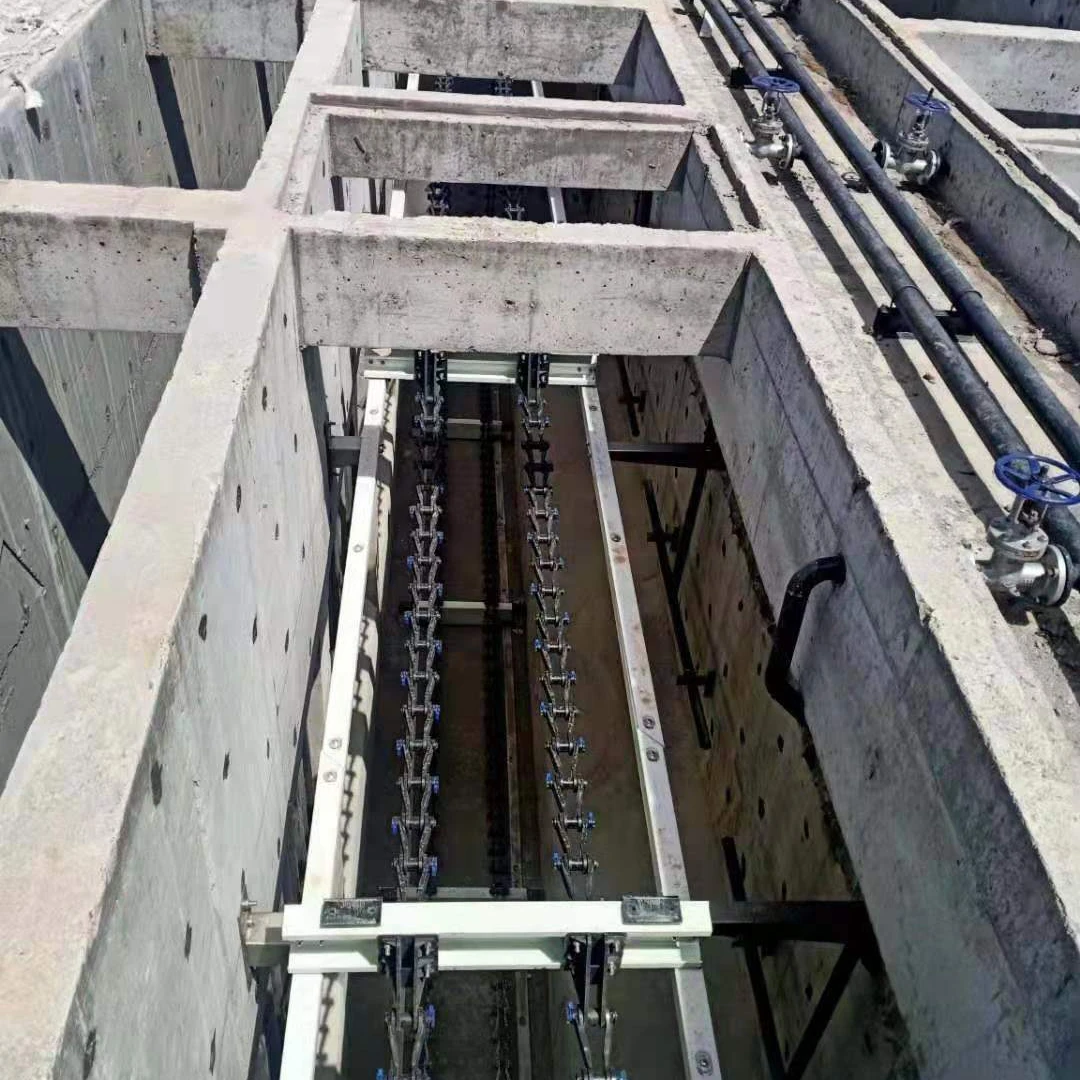
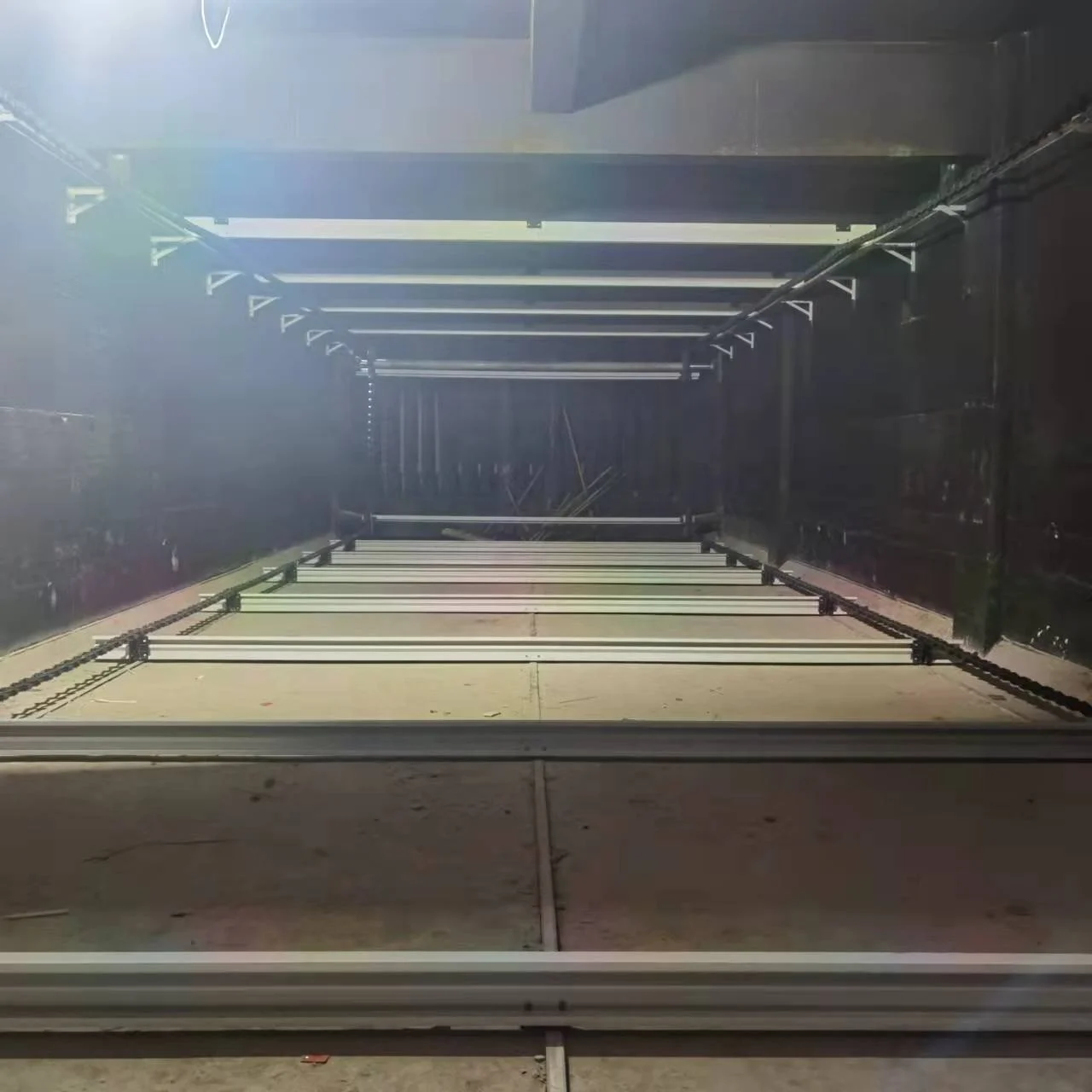
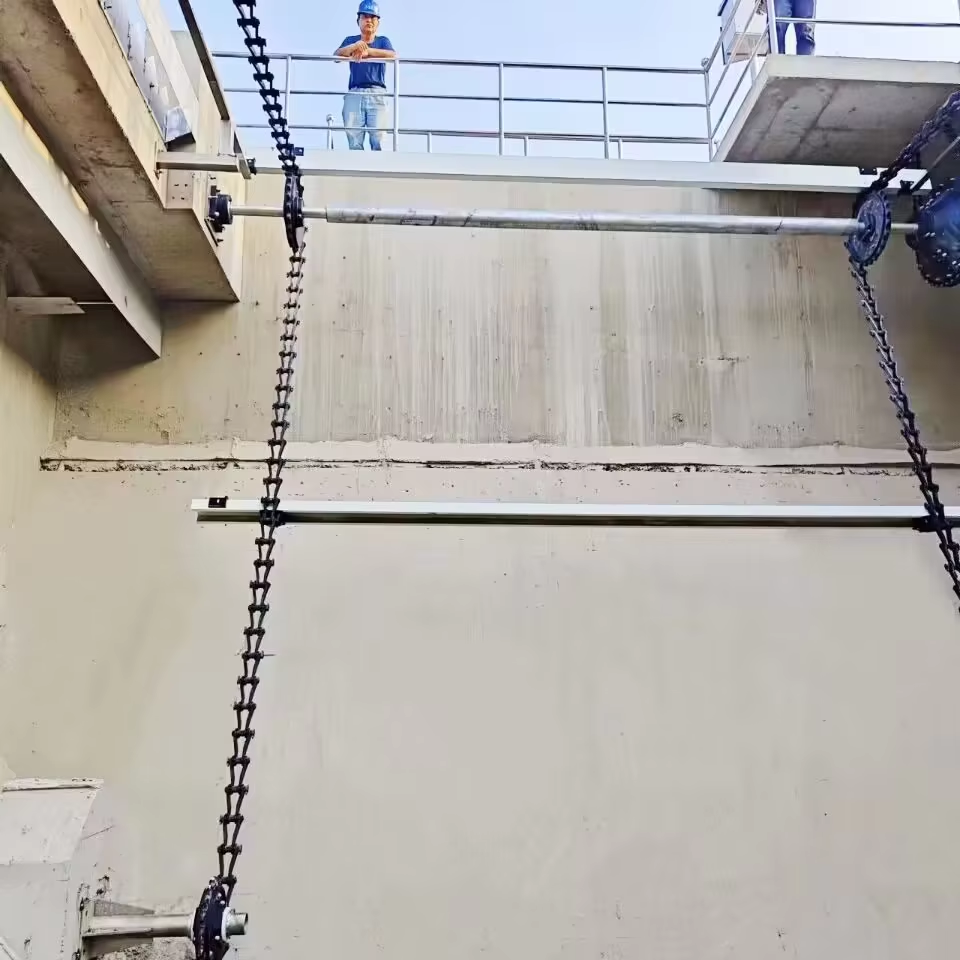
The food processing industry generates wastewater with high concentrations of organic matter, fats, oils, and grease (FOG), and often suspended solids like animal tissue or vegetable matter. A scraper system designed for this industry must be capable of handling these specific challenges. It needs to effectively remove floatable scum (FOG) from the surface and settled solids from the bottom of dissolved air flotation (DAF) units or primary clarifiers. Hygiene and corrosion resistance are paramount concerns. Materials must be FDA-compliant where necessary and resistant to attack from cleaning chemicals, acids from food waste, and fats. Non-metallic scraper systems are exceptionally well-suited here, as they resist corrosion from wash-down chemicals and acidic effluents, and their smooth, non-stick surfaces prevent the adhesion of greasy solids, making them self-cleaning and more hygienic. In a meat processing plant, for example, a DAF unit equipped with a corrosion-resistant polymer chain and flight scraper system efficiently removes settled proteins and fats, allowing for water recovery and pre-treatment before discharge to municipal sewers. The reliability and low maintenance of such a system are critical for avoiding production stoppages in facilities that often operate 24/7. By ensuring efficient primary treatment, the scraper system helps the plant meet pre-treatment regulations, reduces sewer surcharges, and supports overall sustainability efforts by facilitating water reuse and recovery of organic byproducts.