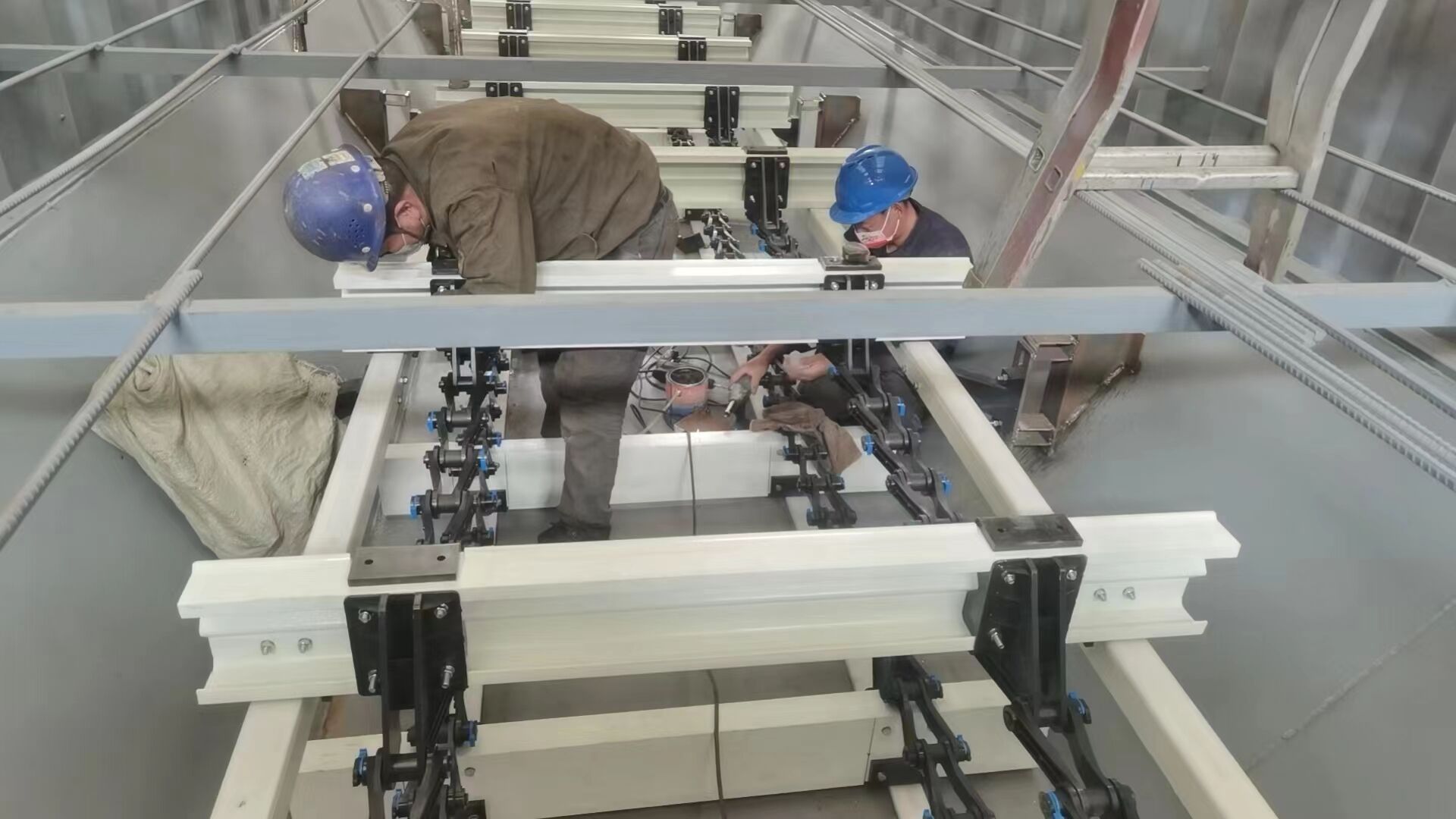
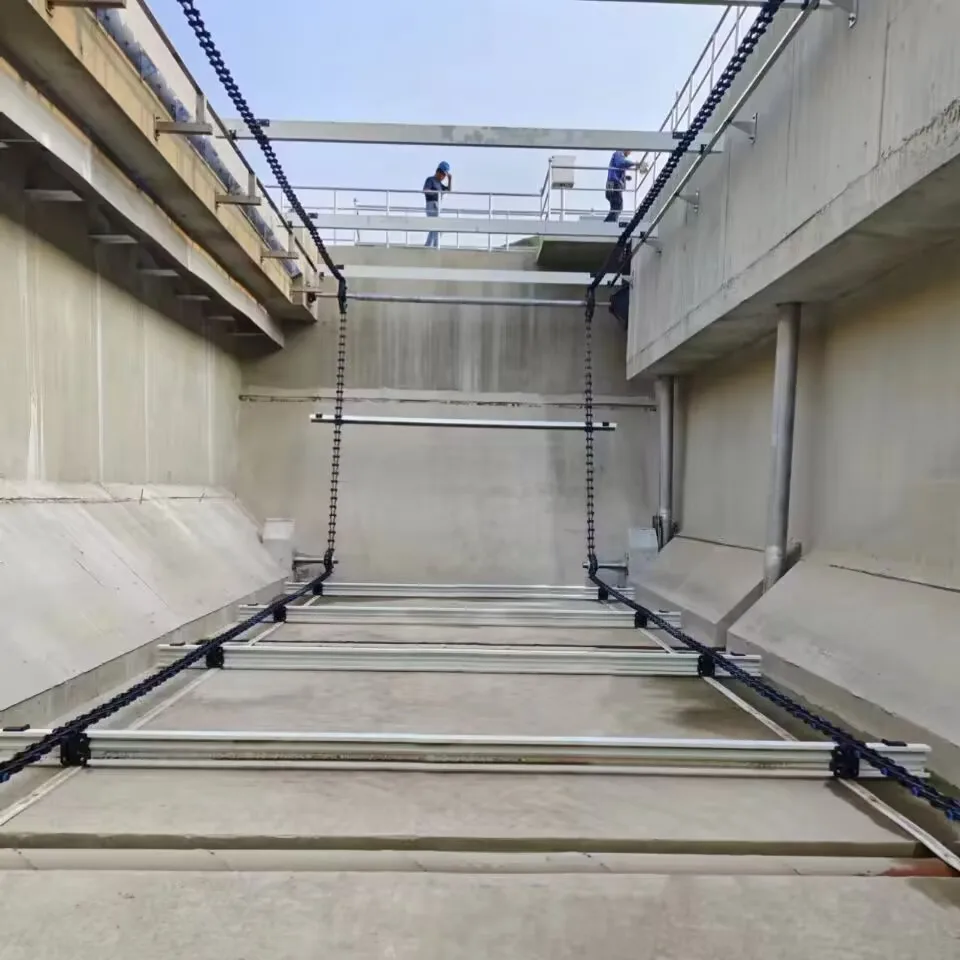
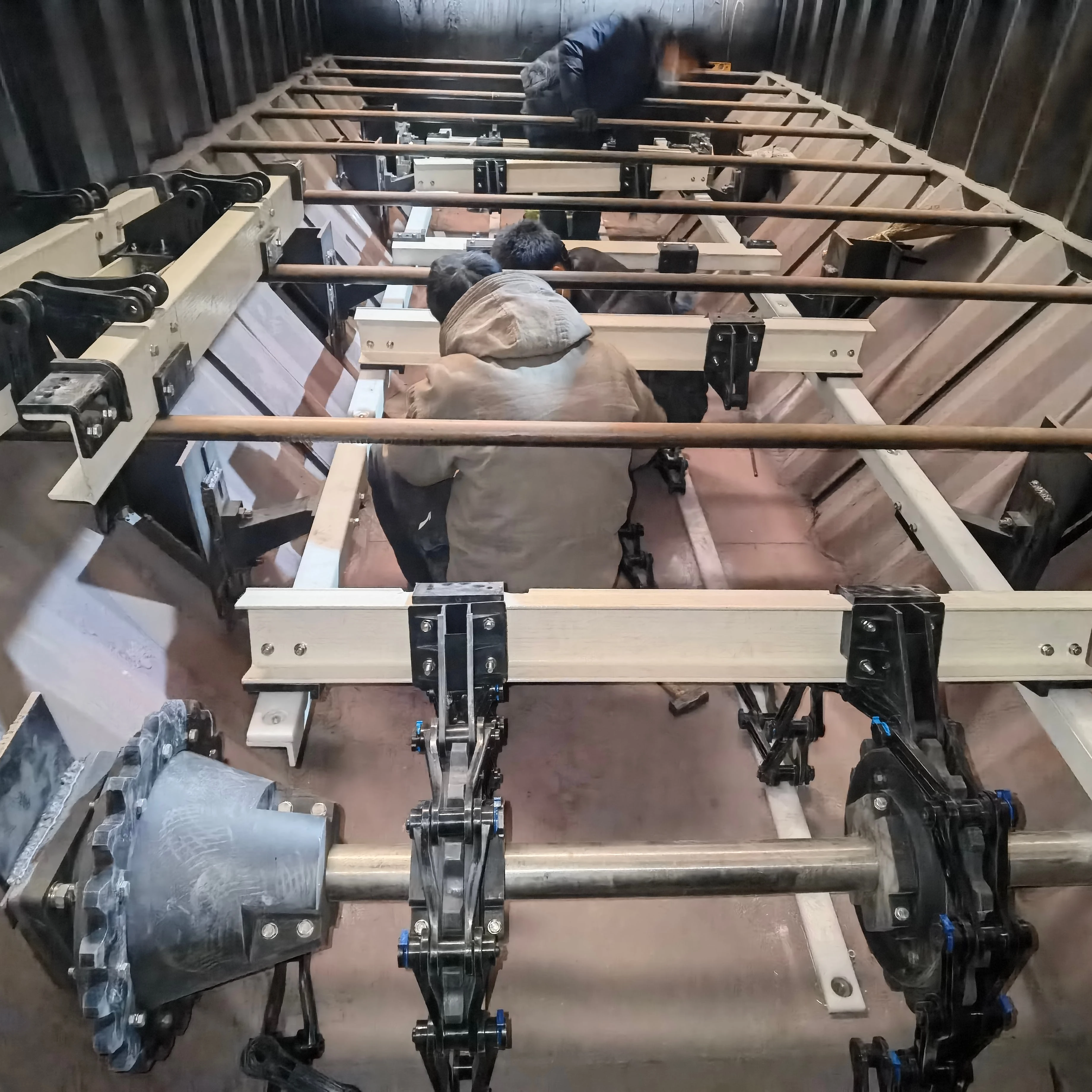
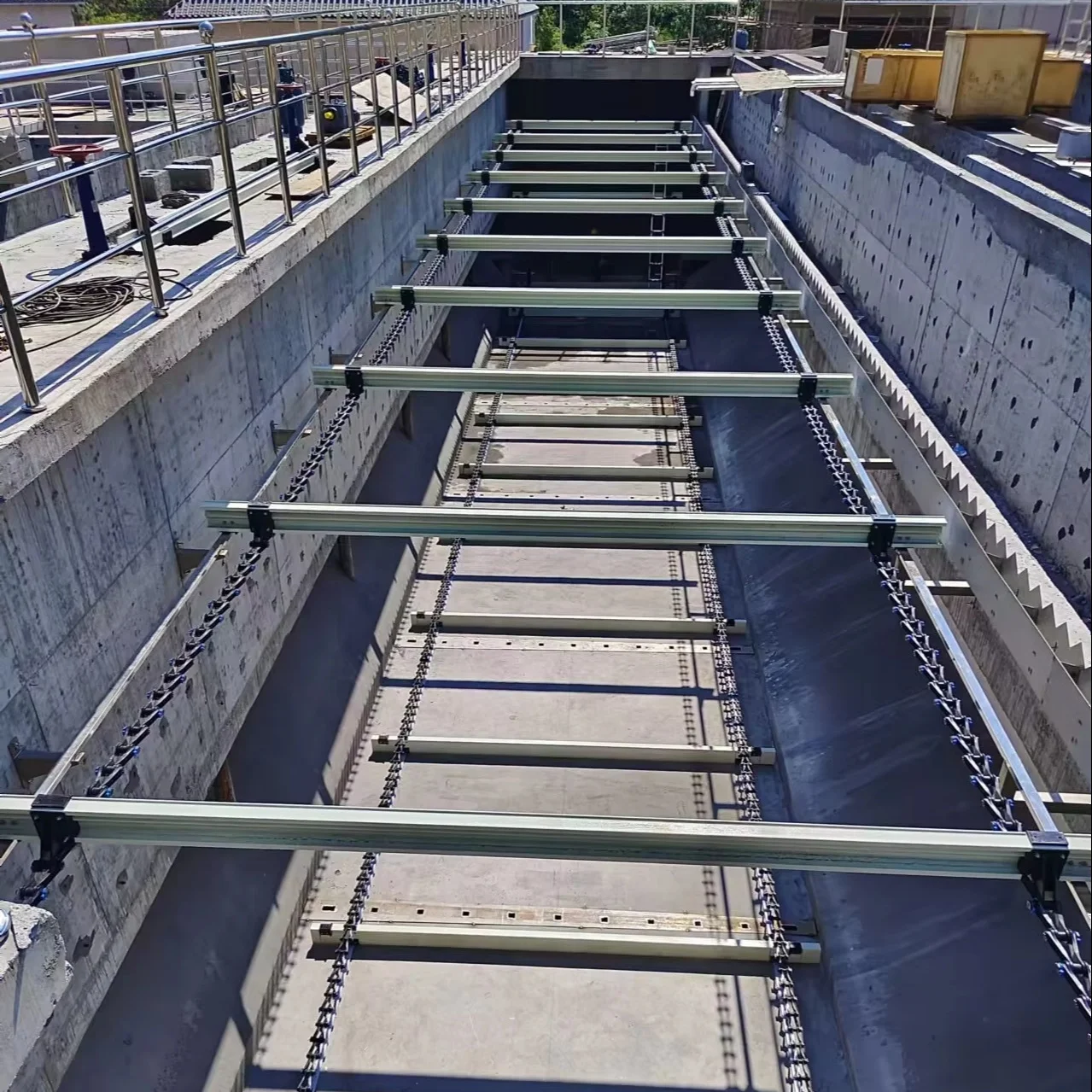
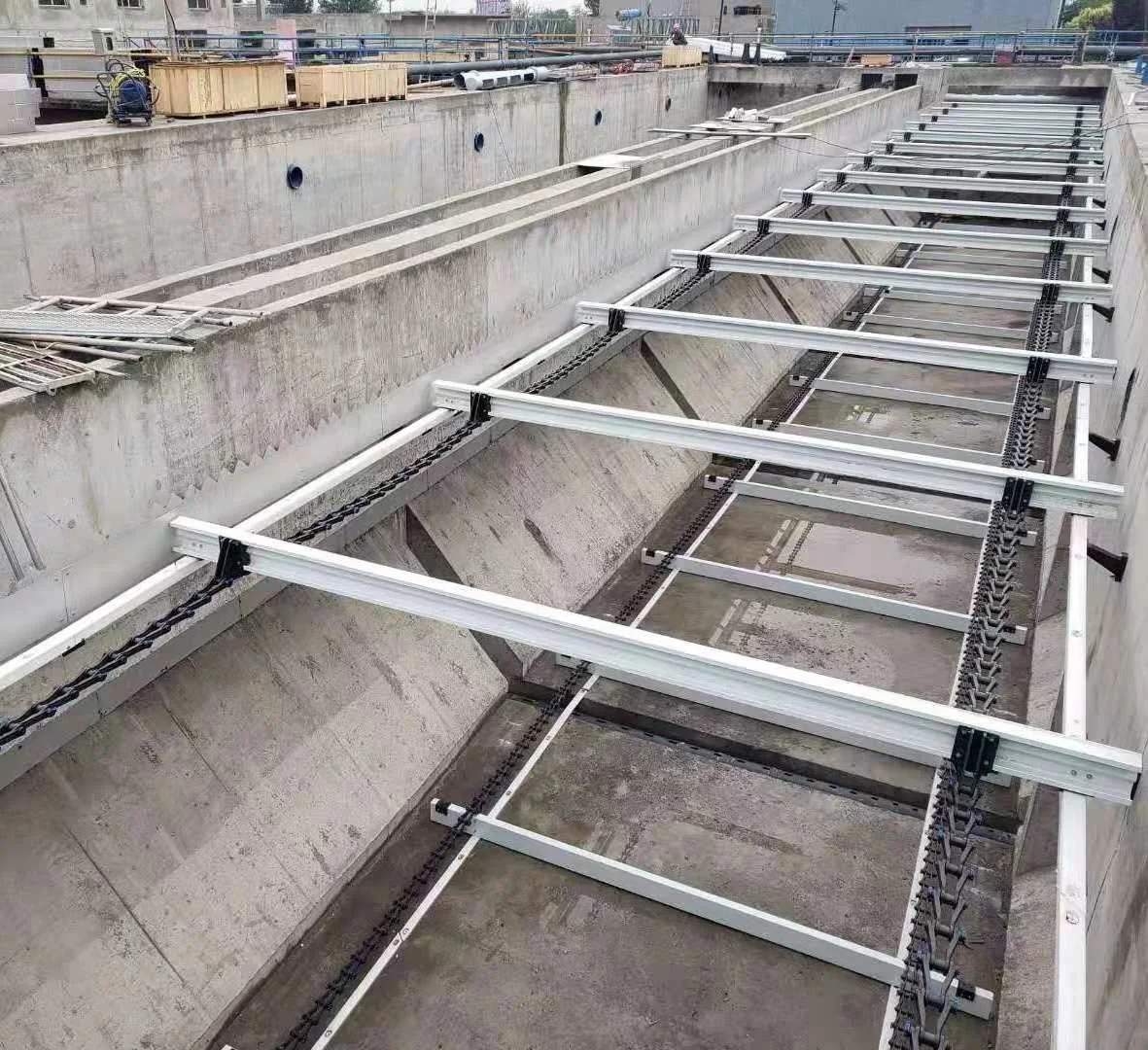
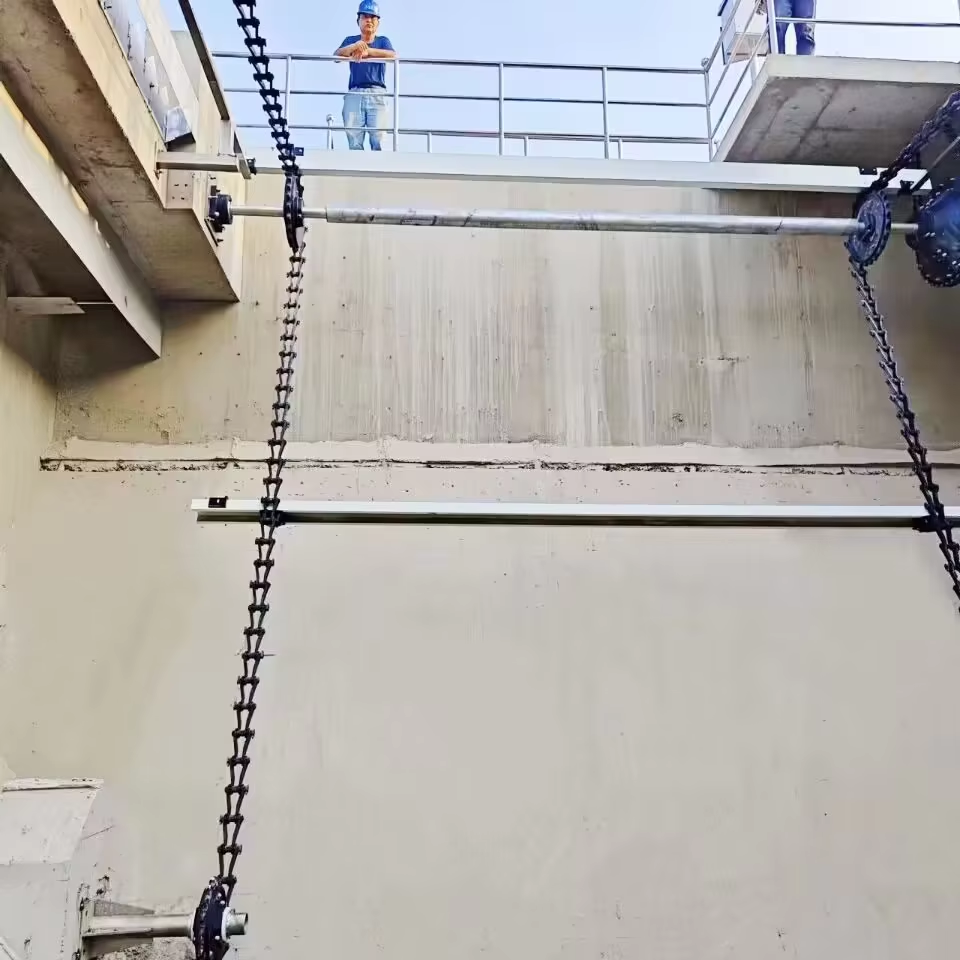
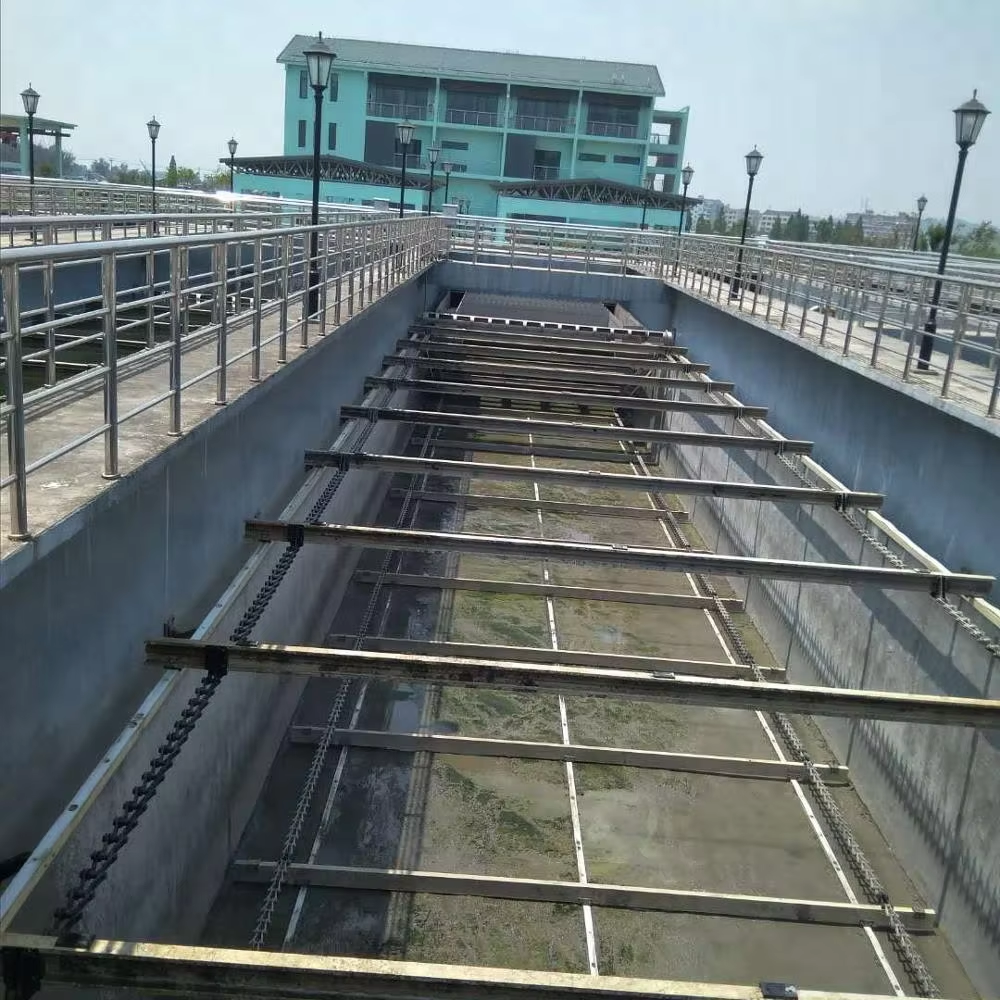
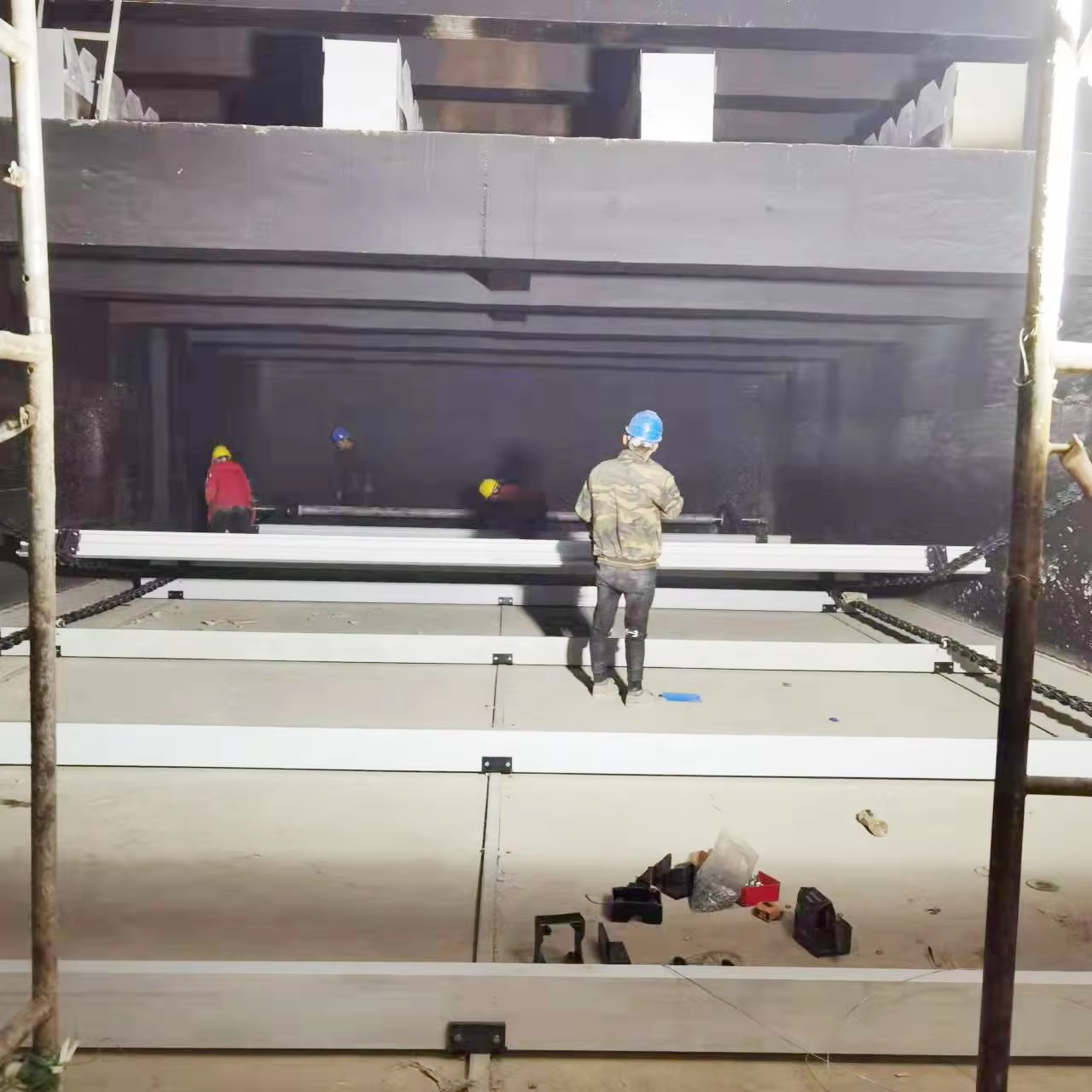
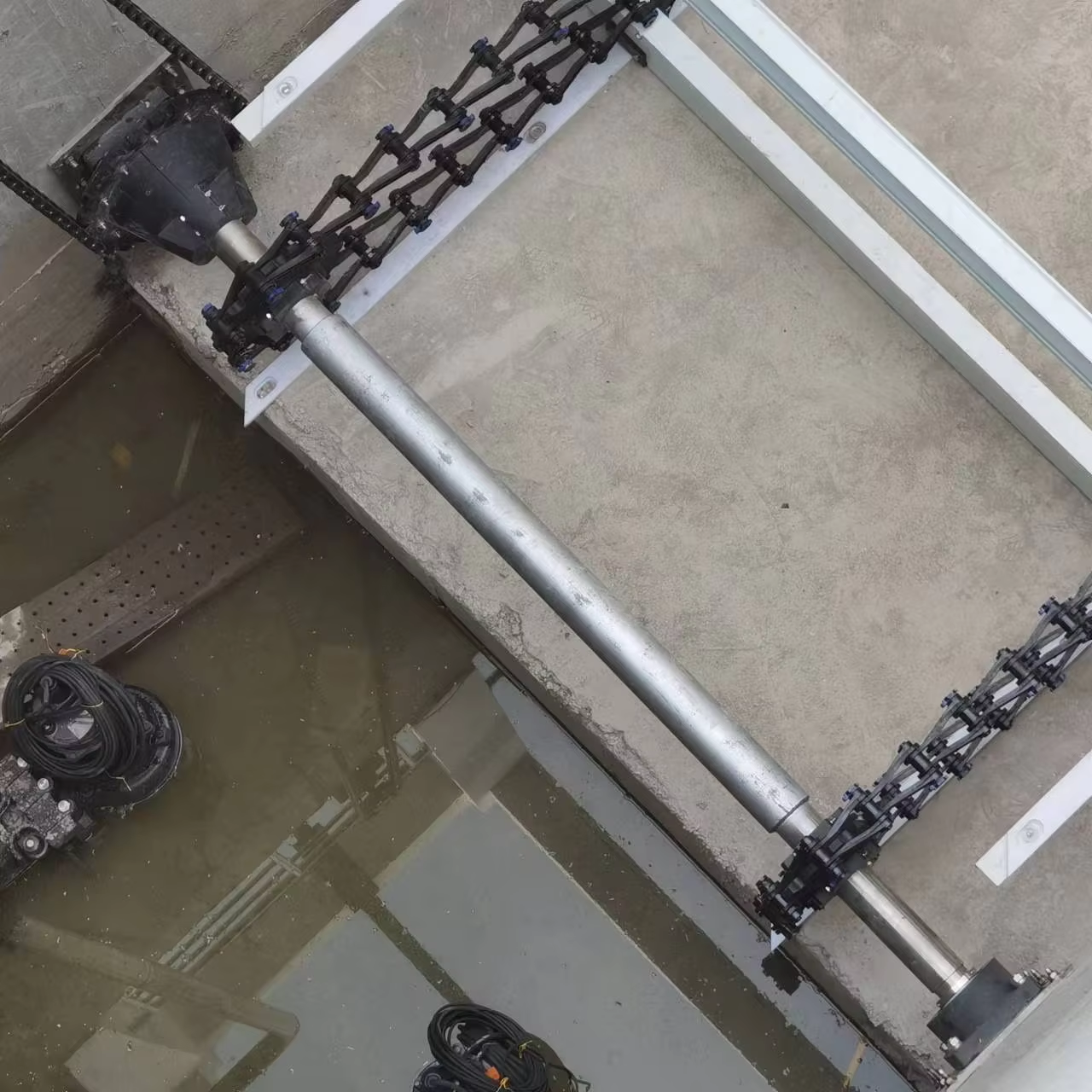
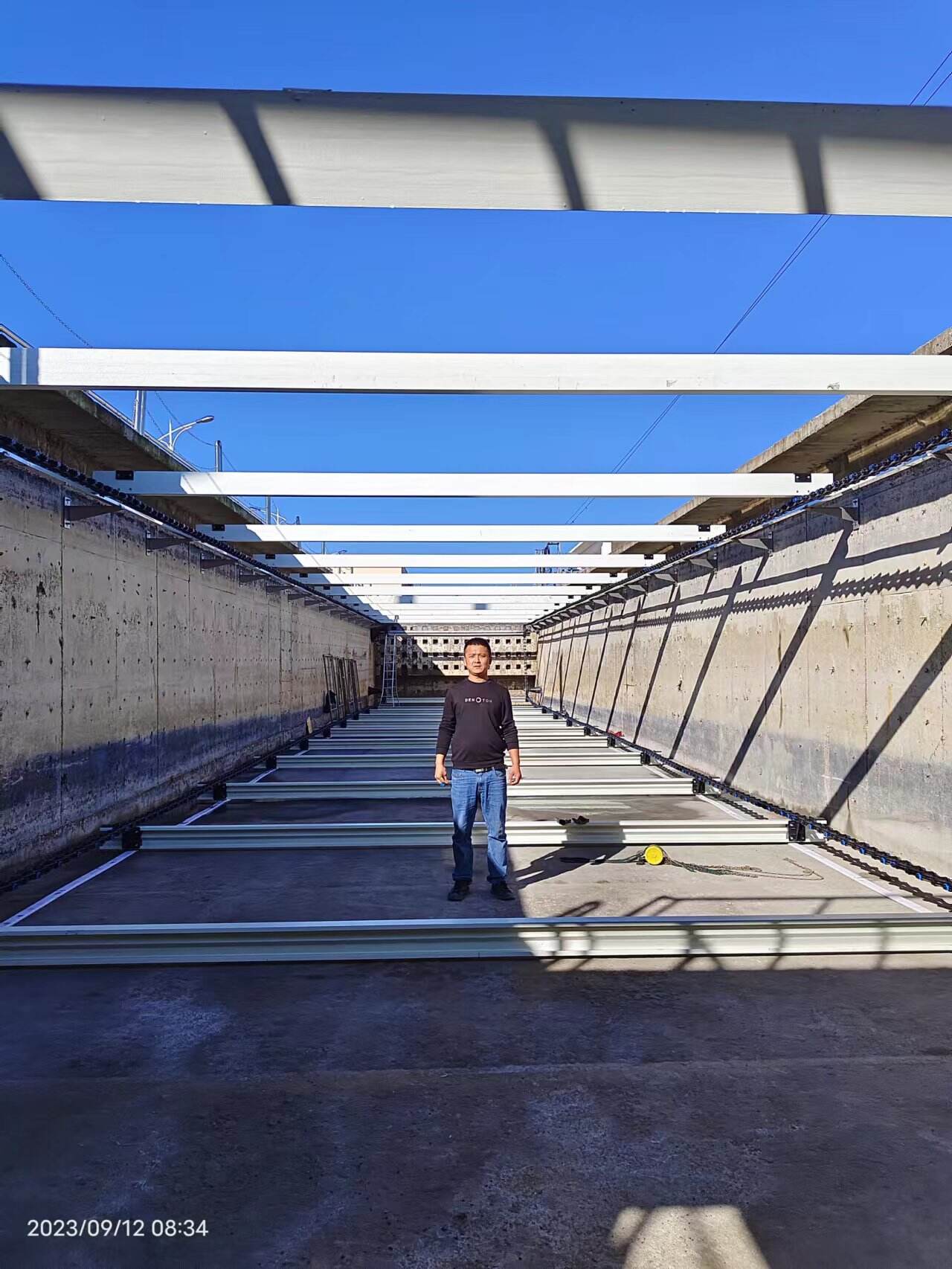
A corrosion-resistant scraper system is an essential investment for any wastewater or industrial treatment application where equipment is exposed to moisture, hydrogen sulfide, acidic/alkaline conditions, high chloride levels, or other chemically aggressive media. Traditional carbon steel components in such environments are highly susceptible to rust, pitting, and rapid degradation, leading to frequent failures, high maintenance costs, and contamination of the sludge with rust particles. A truly corrosion-resistant system utilizes materials inherently immune to these attacks, such as stainless steels (e.g., 316/316L for many applications) or, more effectively and economically, engineered plastics and fiber-reinforced polymer composites. These non-metallic materials, including UHMW-PE, HDPE, and reinforced epoxy, offer exceptional resistance to a vast range of chemicals while also providing superior abrasion resistance against gritty solids. In a severe application like a coastal treatment plant with saltwater intrusion or an industrial facility processing chemical wastewater, a non-metallic corrosion-resistant scraper system ensures unparalleled operational integrity and longevity. It eliminates the need for protective coatings and cathodic protection, which are ongoing expenses for metallic systems. By choosing a corrosion-resistant design, plant owners secure their asset against premature failure, minimize life-cycle maintenance costs, and guarantee uninterrupted and reliable operation of the sedimentation process, which is fundamental to the entire treatment train.