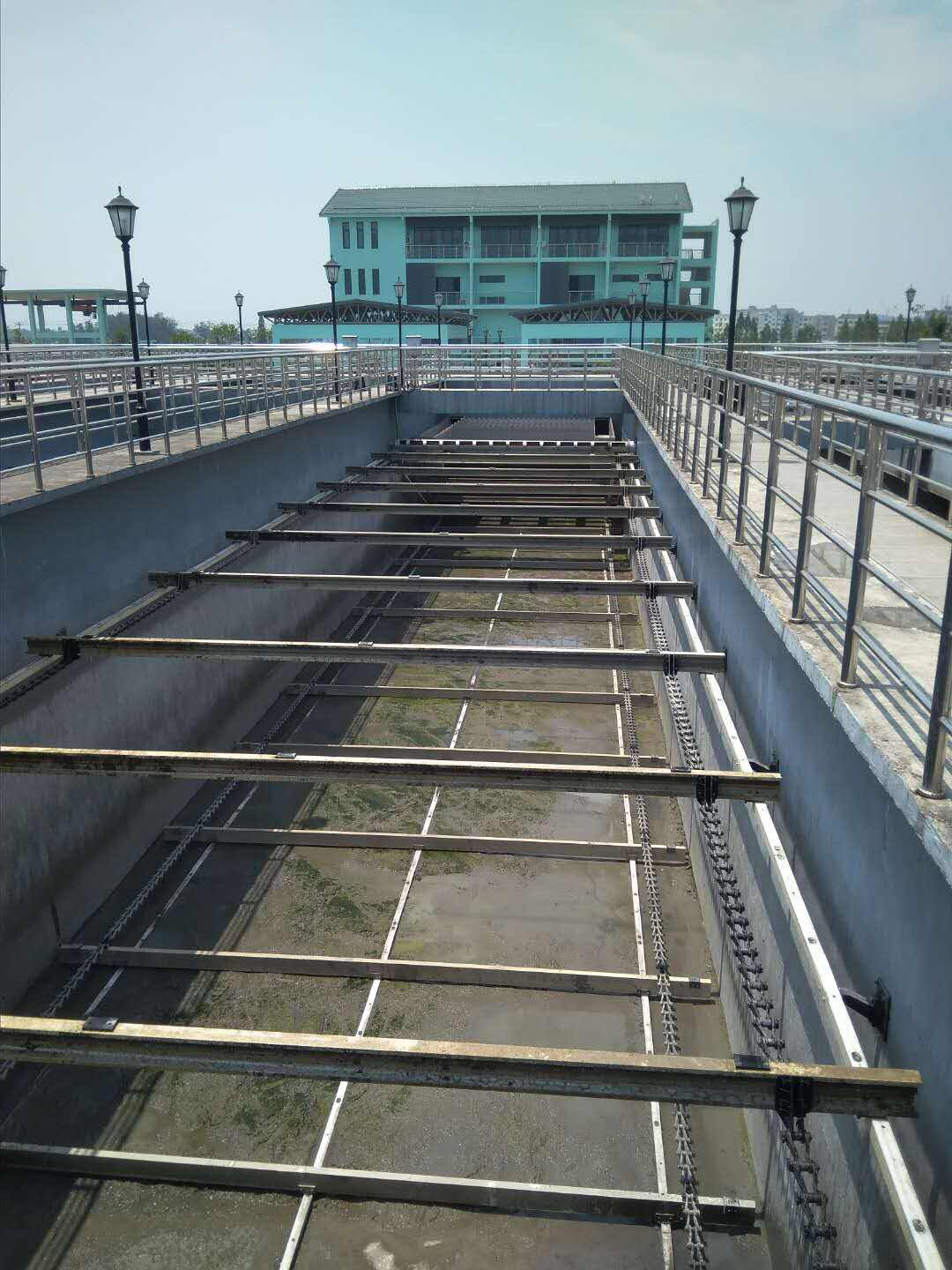
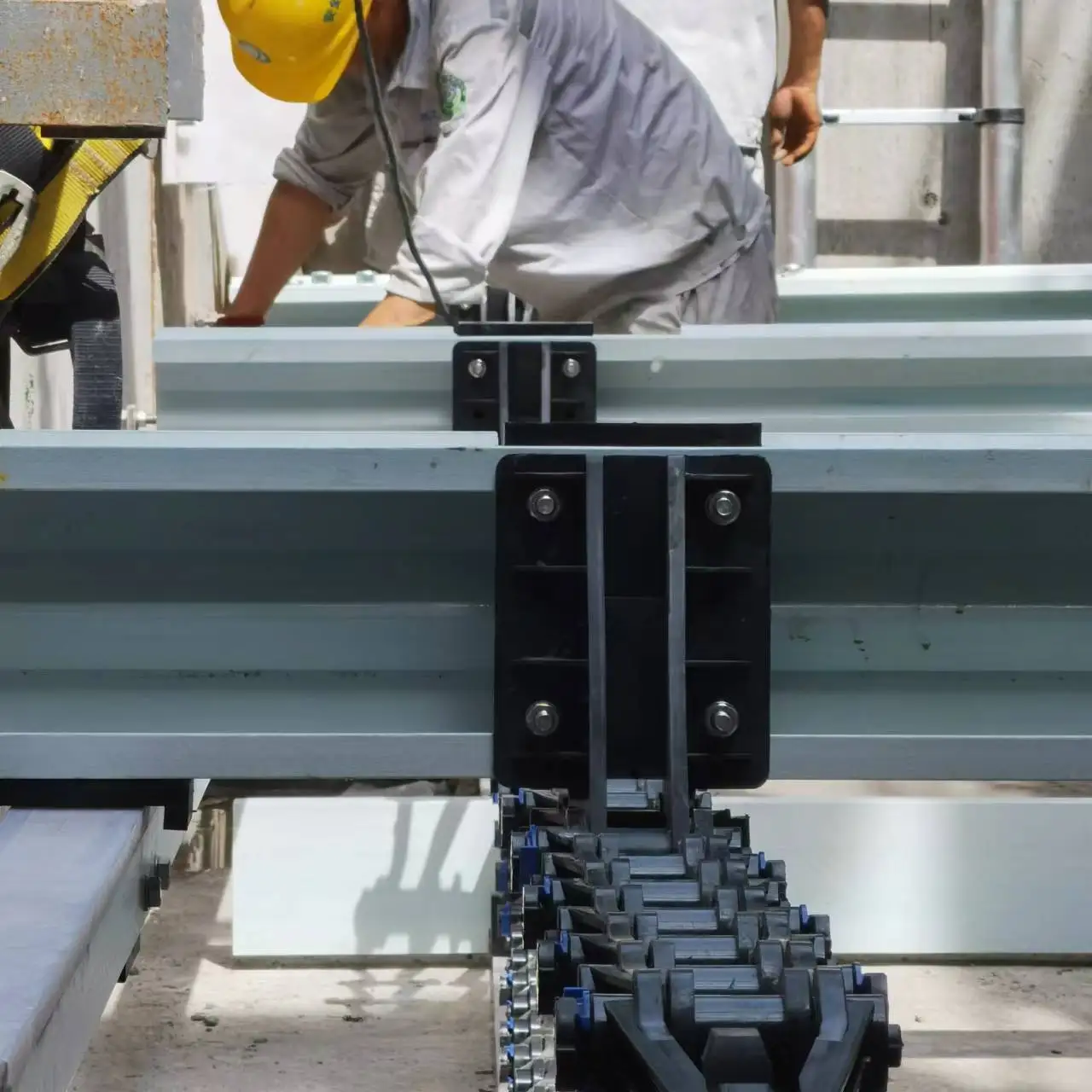
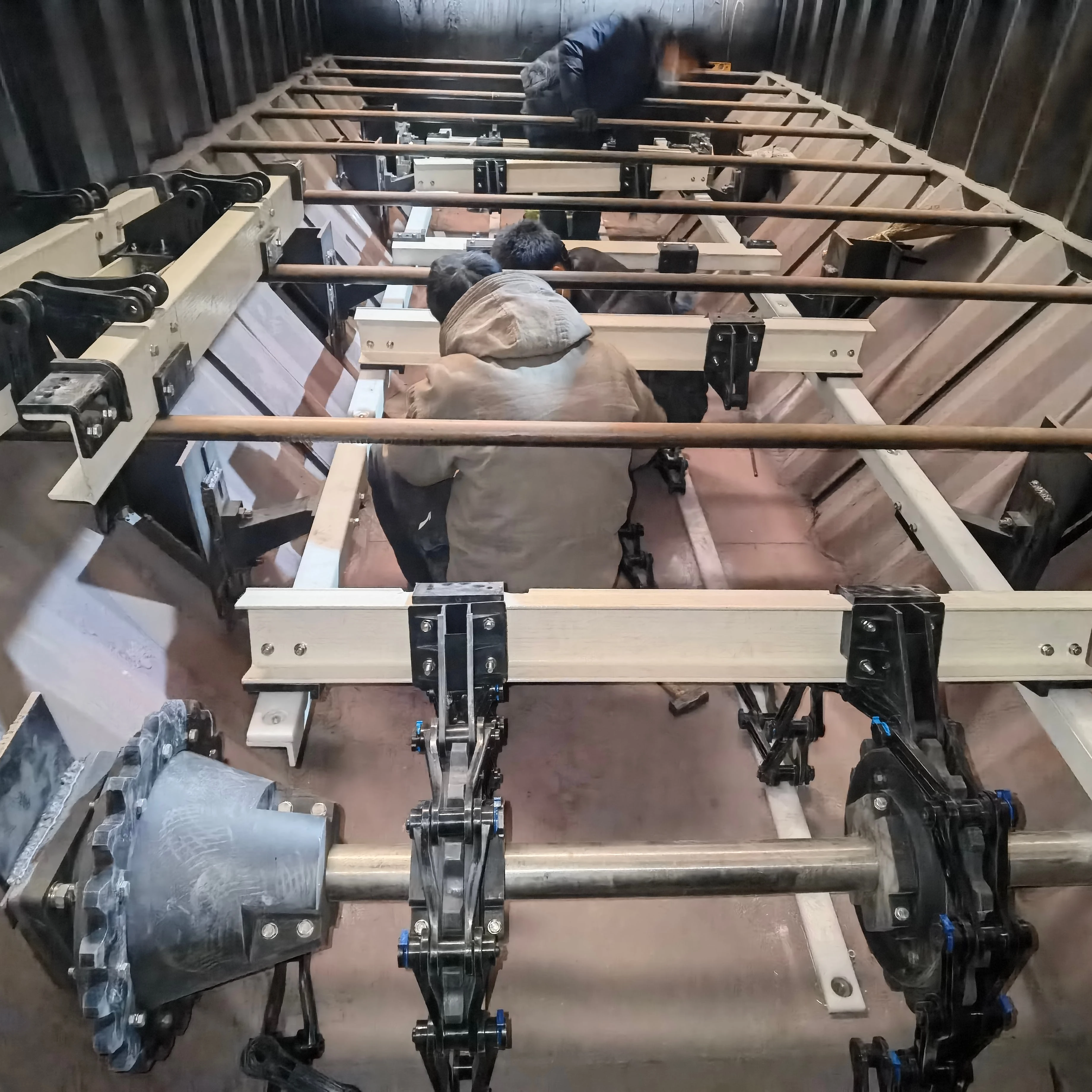
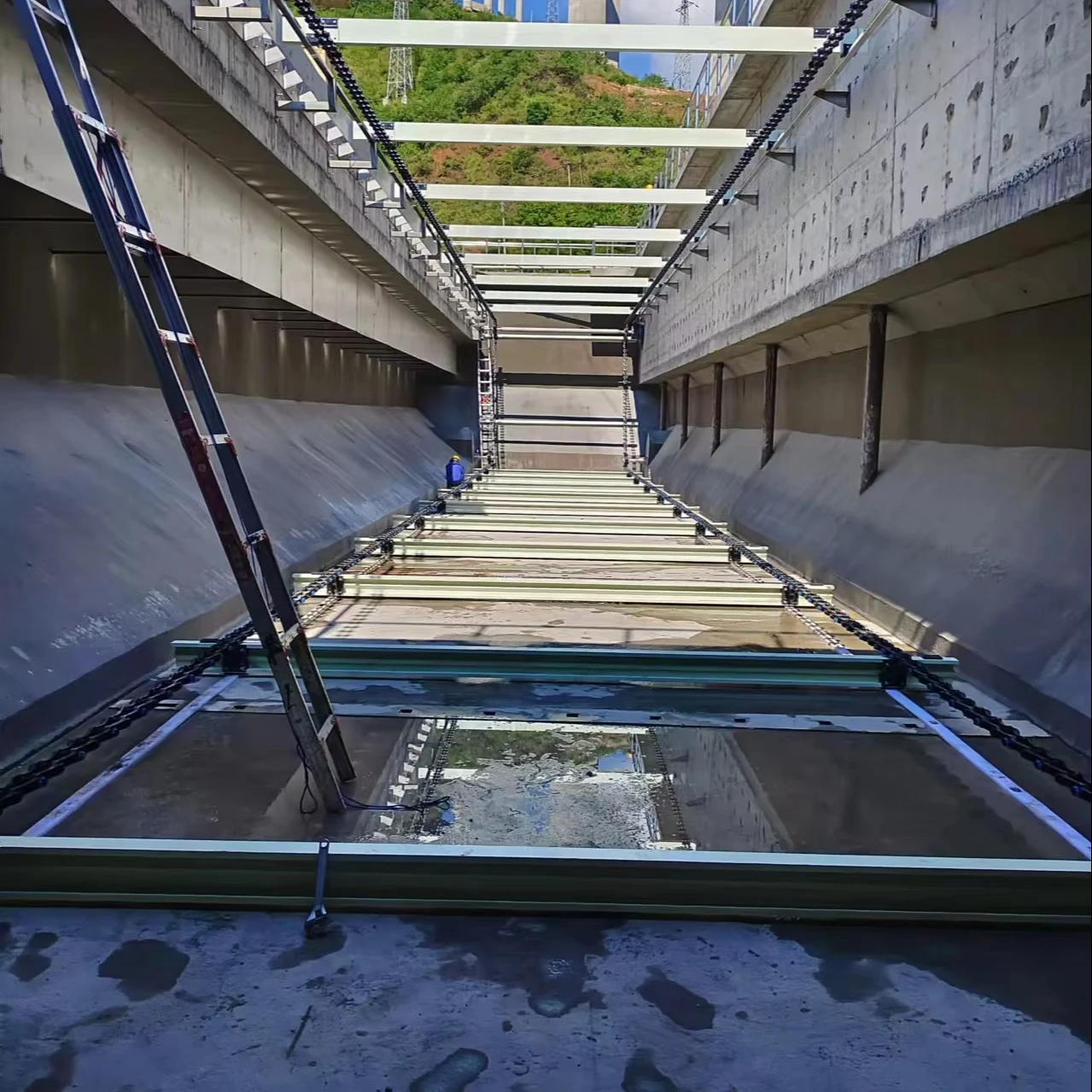
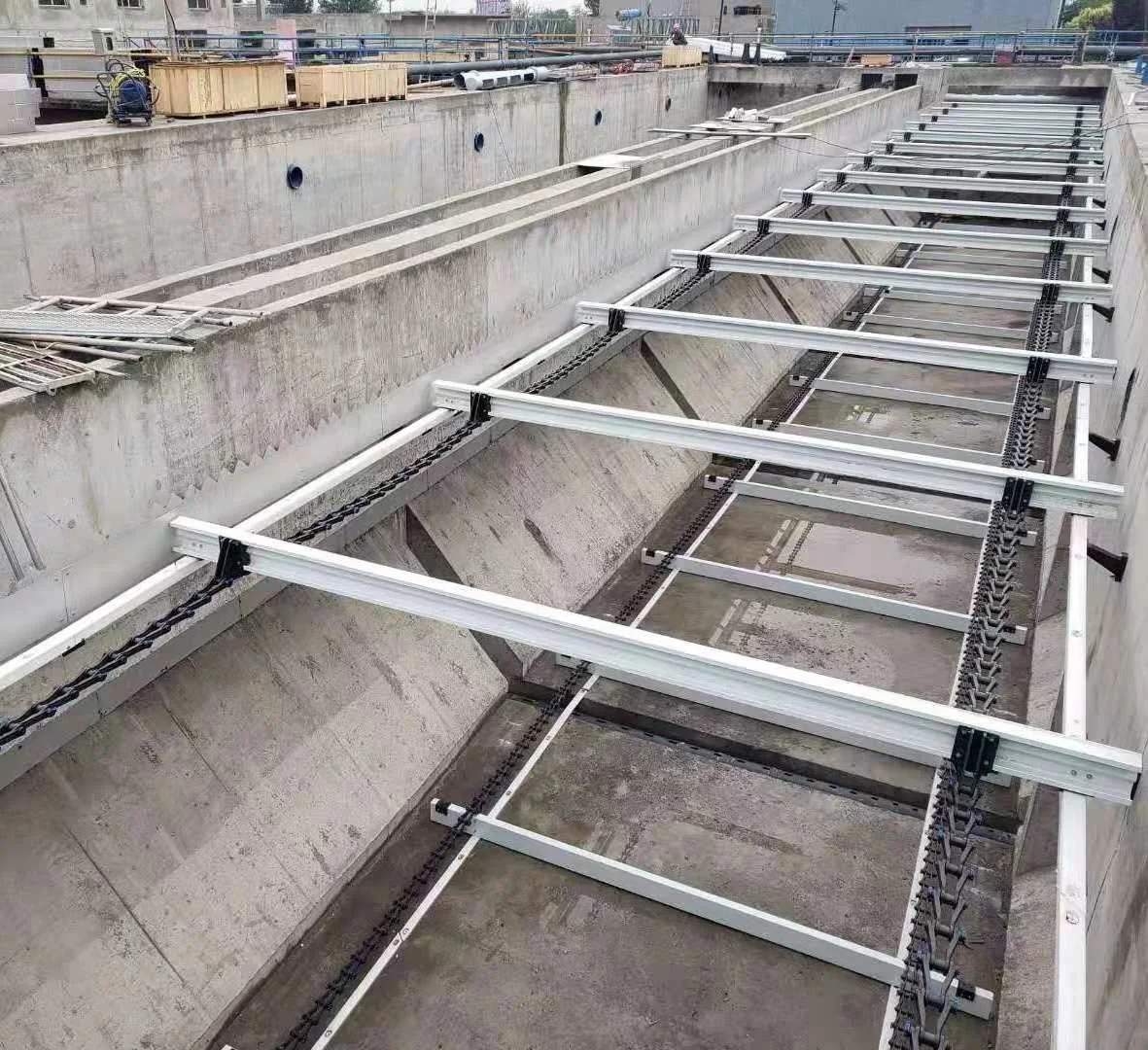
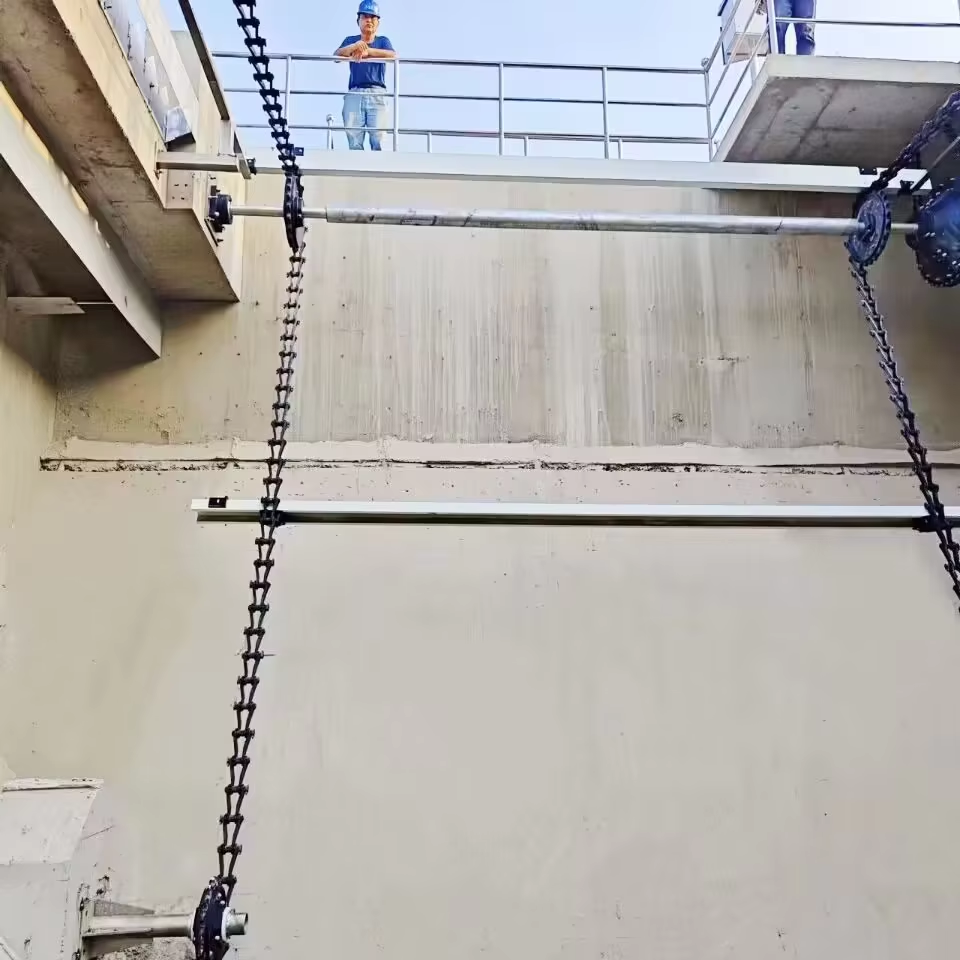
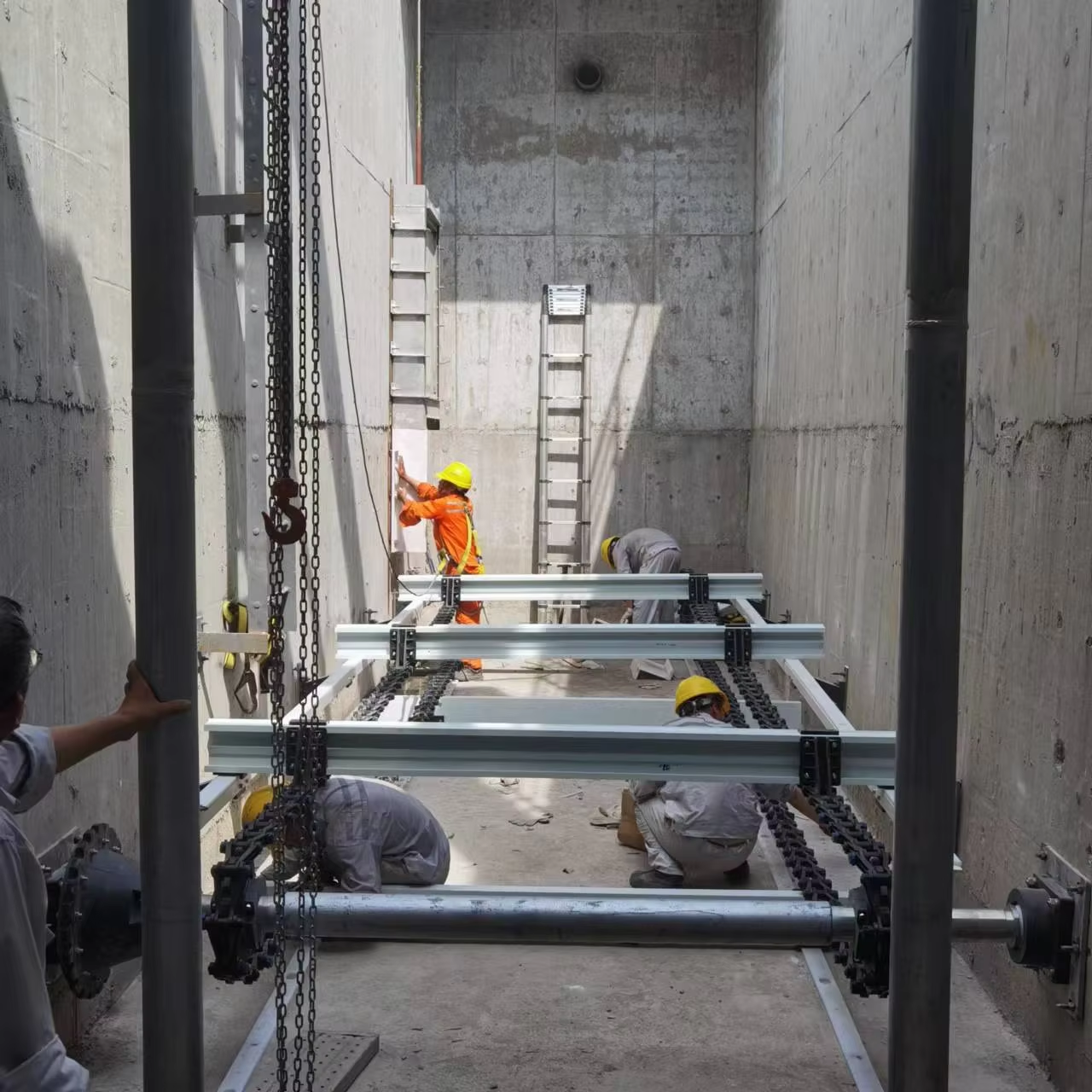
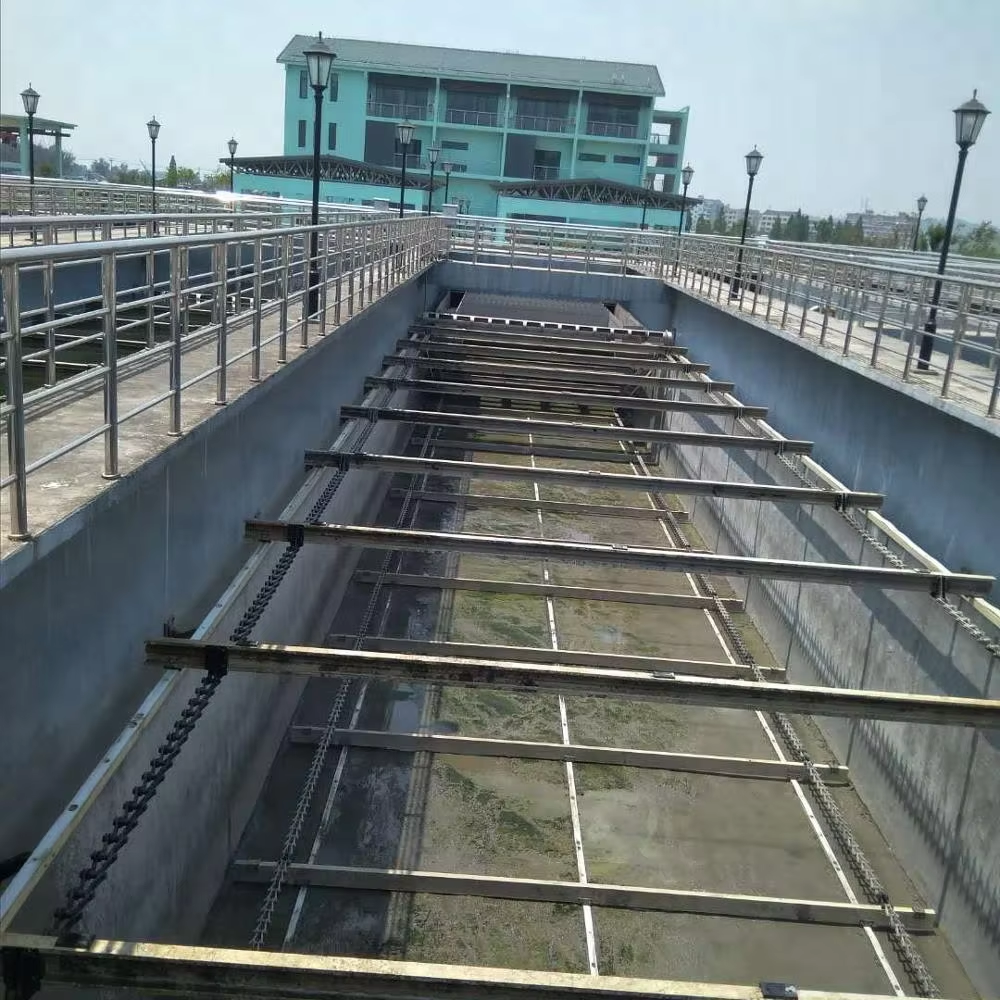
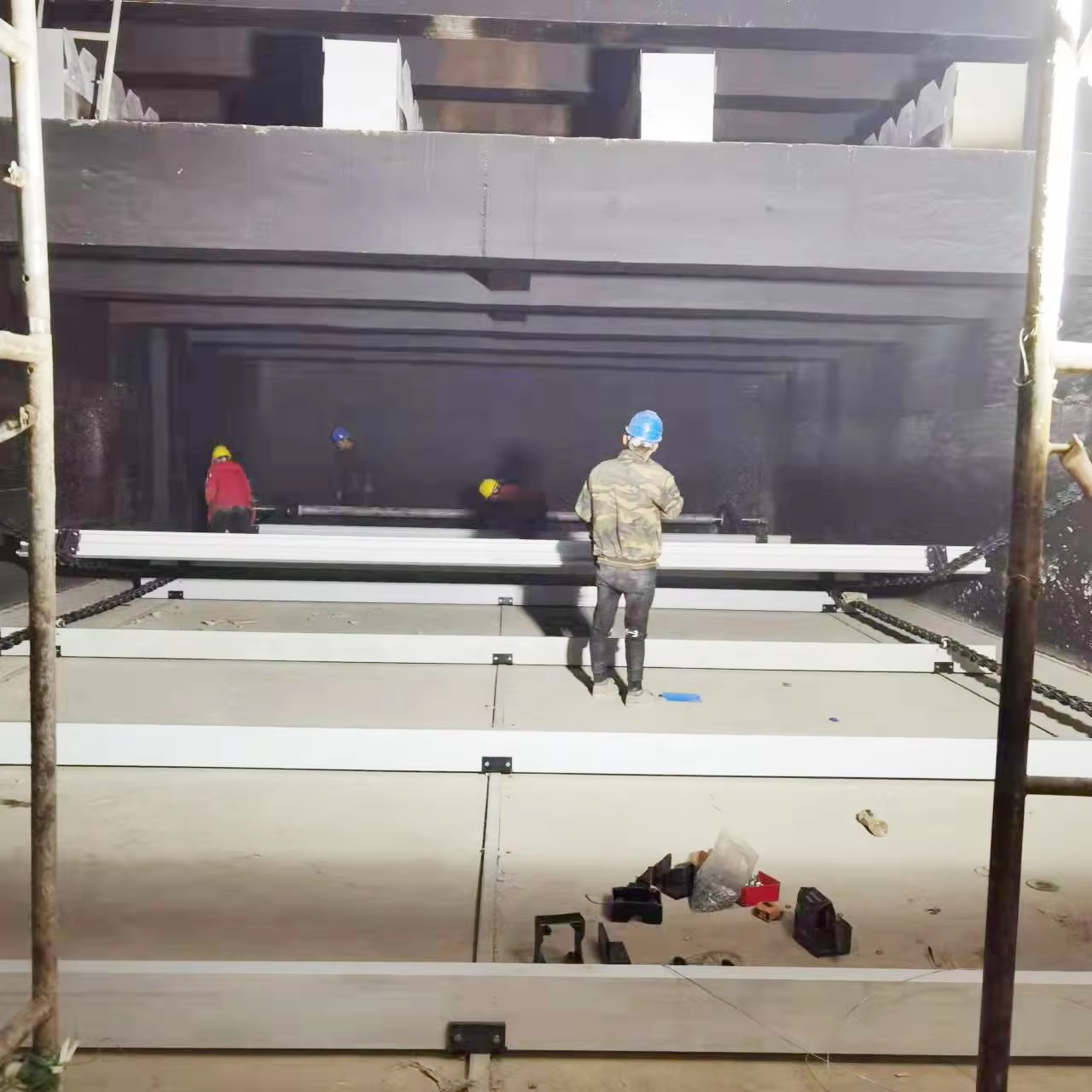
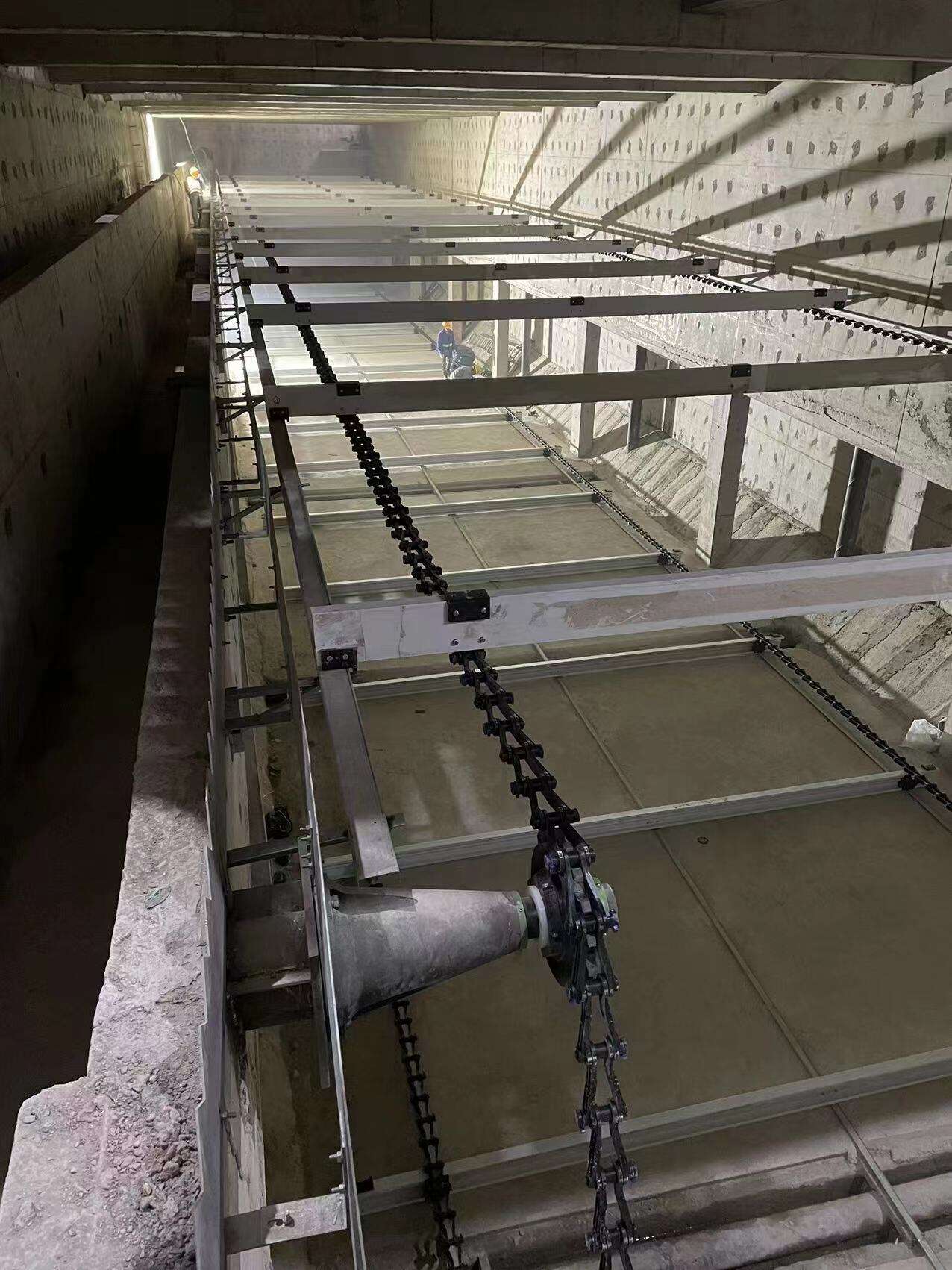
The new energy industry, encompassing battery manufacturing, solar cell production, and biofuel processing, generates unique wastewater streams containing heavy metals, solvents, and other complex contaminants. Scraper systems deployed in this sector must be engineered to handle these specific challenges, often requiring exceptional corrosion resistance to acids, alkalis, and organic compounds used in production processes. A non-metallic scraper system is particularly suited for this environment, as it eliminates galvanic corrosion, reduces maintenance frequency, and prevents metallic ion contamination that could be detrimental to downstream water recovery or recycling systems. In a typical scenario, such a system operates in the sedimentation tanks of a lithium-ion battery plant, where it is responsible for removing precipitated metal hydroxides and other solids after a neutralization and coagulation process. The efficiency and reliability of the scraper directly impact the plant's ability to meet strict discharge standards and recover valuable materials from the waste stream. Furthermore, the low energy consumption and minimal maintenance requirements of a modern scraper system align perfectly with the sustainability ethos of the new energy sector, optimizing operational costs while supporting green manufacturing goals. For companies seeking to enhance their environmental performance and ensure the longevity of their water treatment assets, a scraper system specifically designed for the rigors of the new energy industry is an indispensable investment.