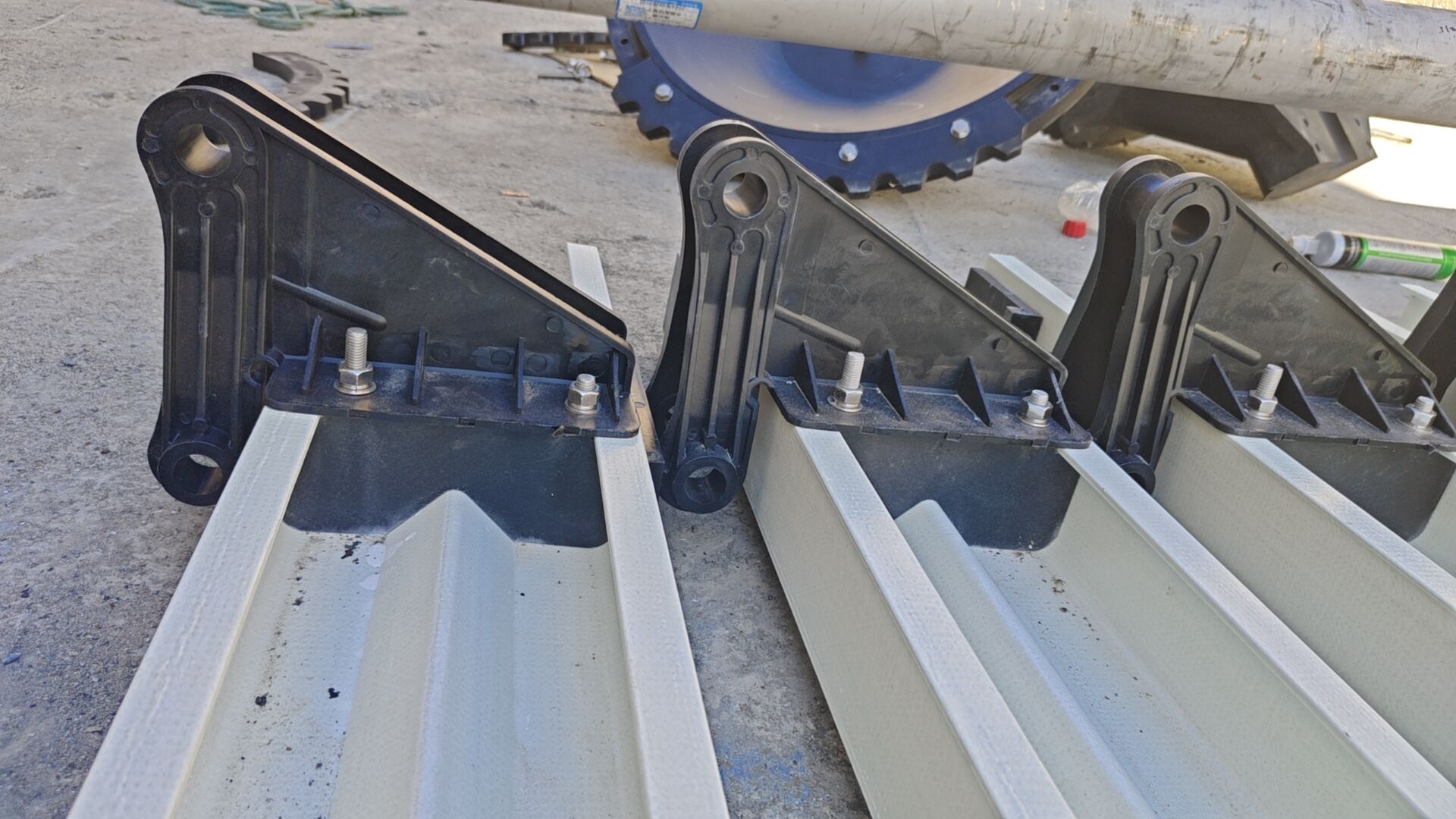
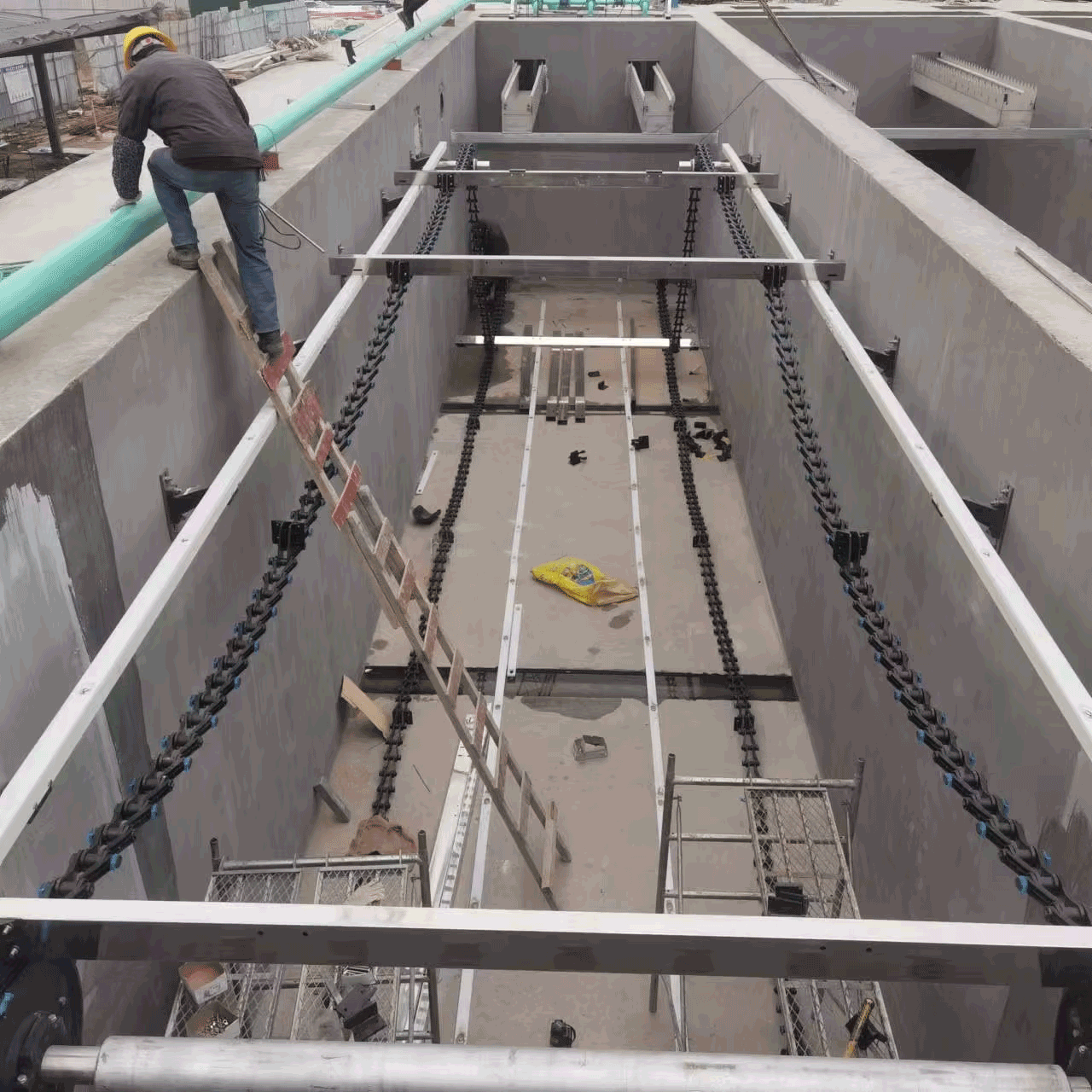
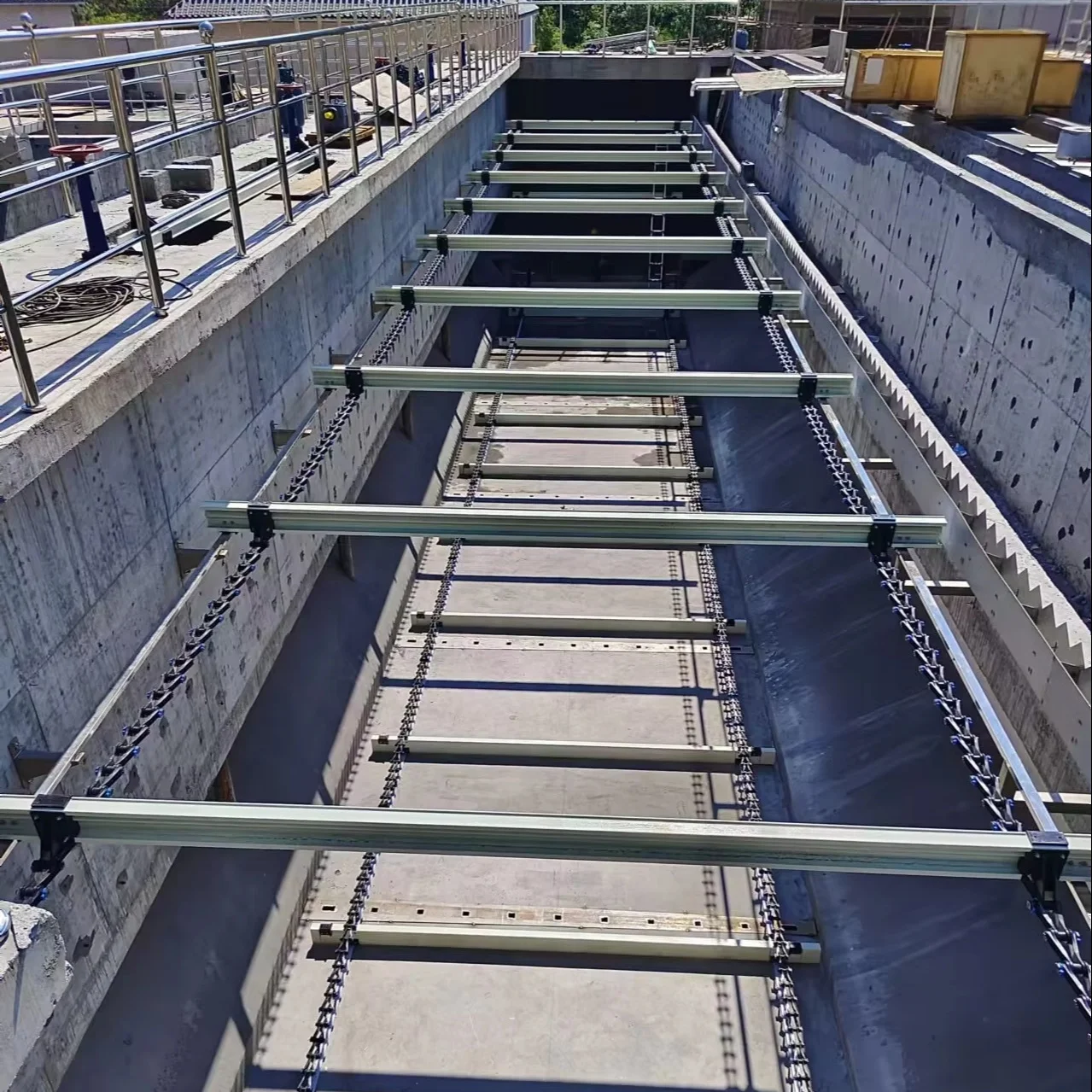
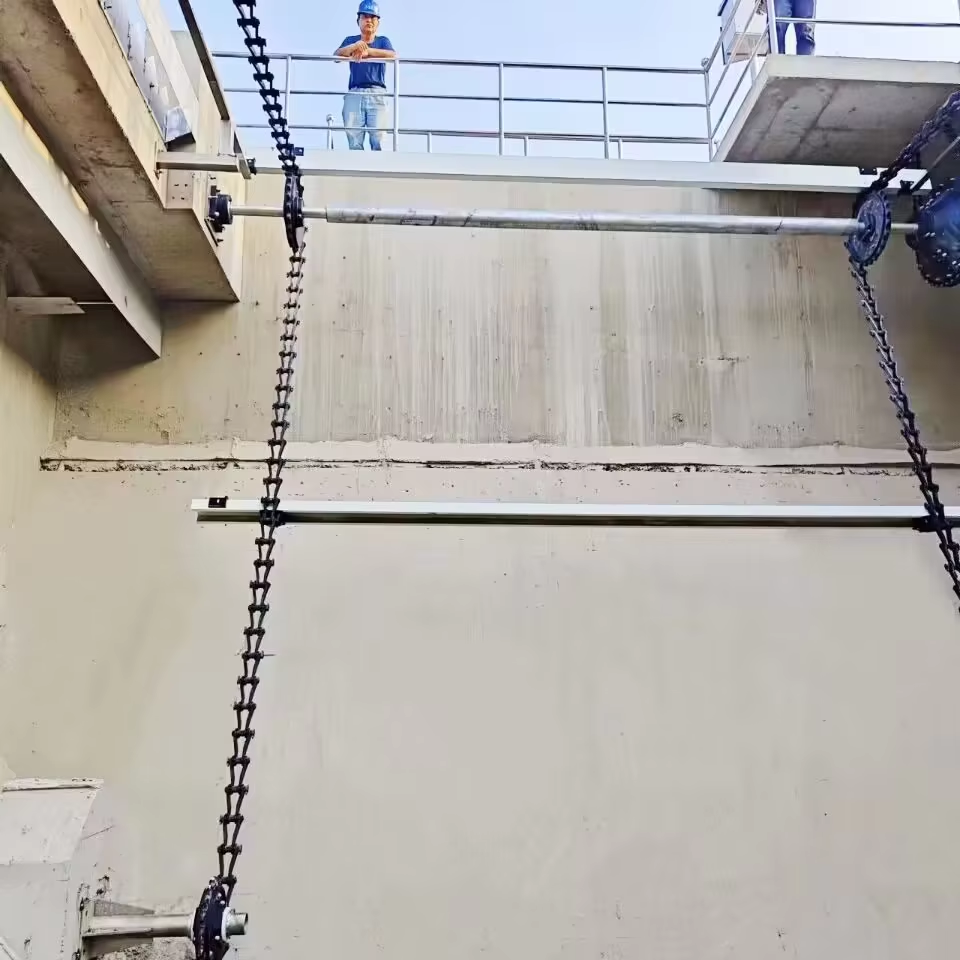
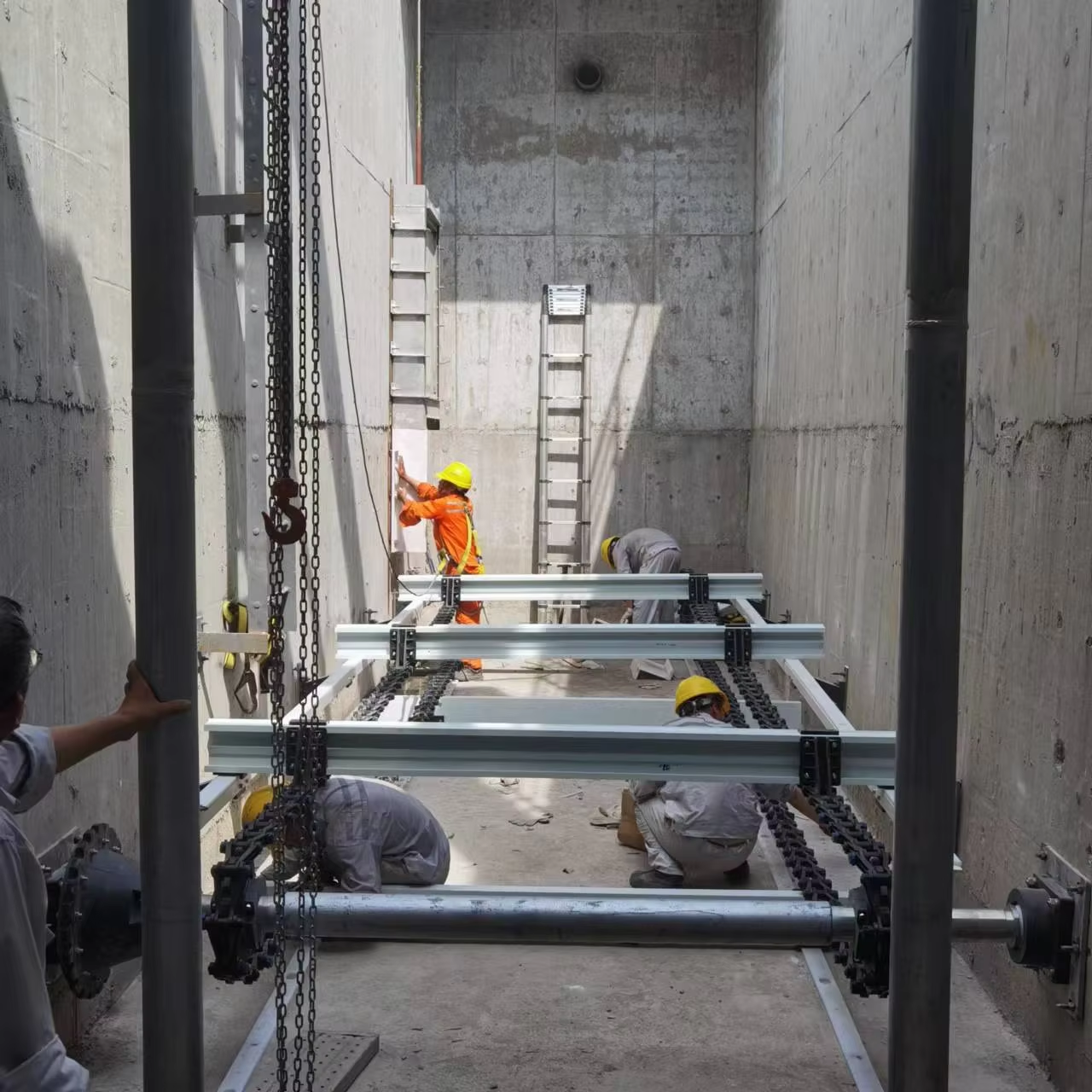
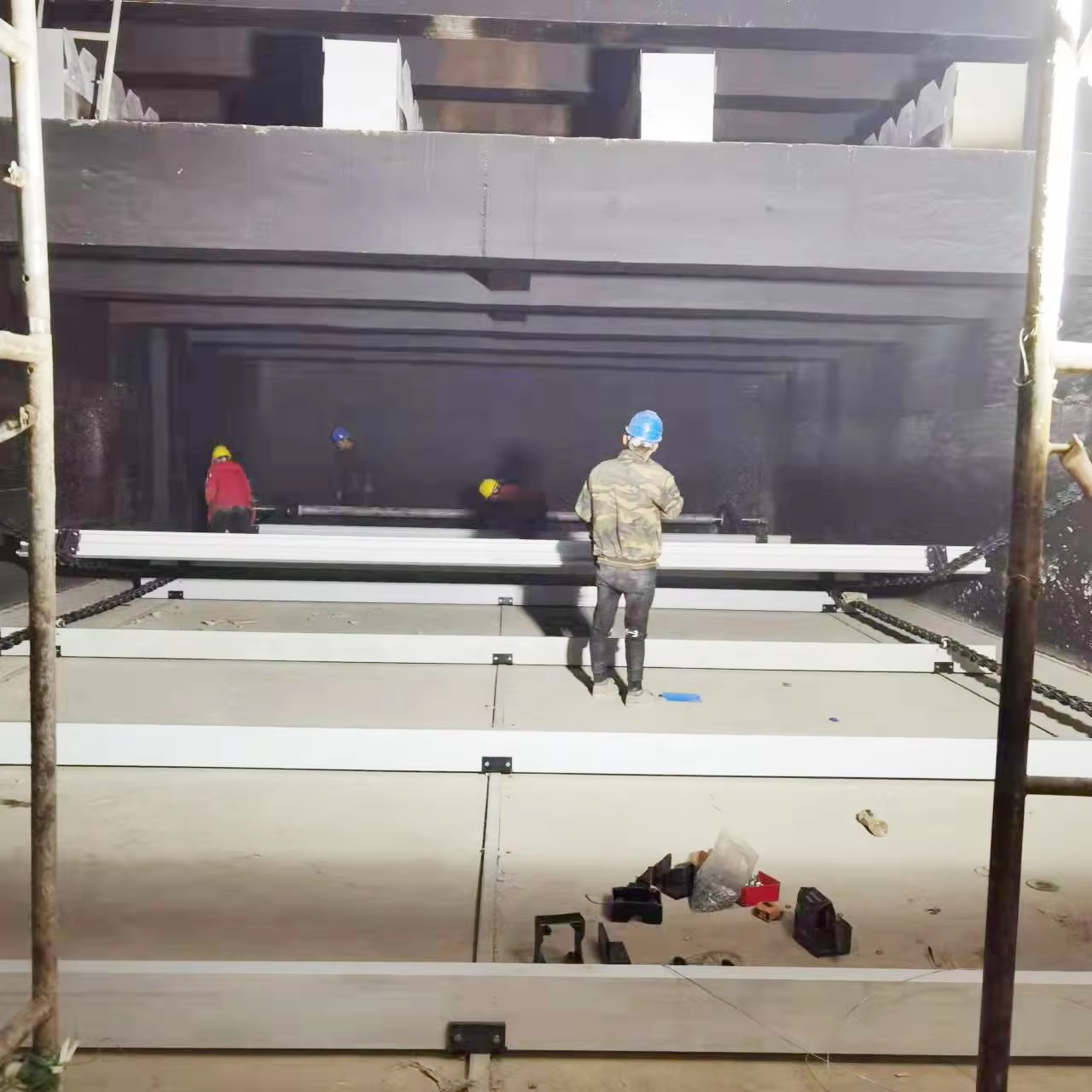
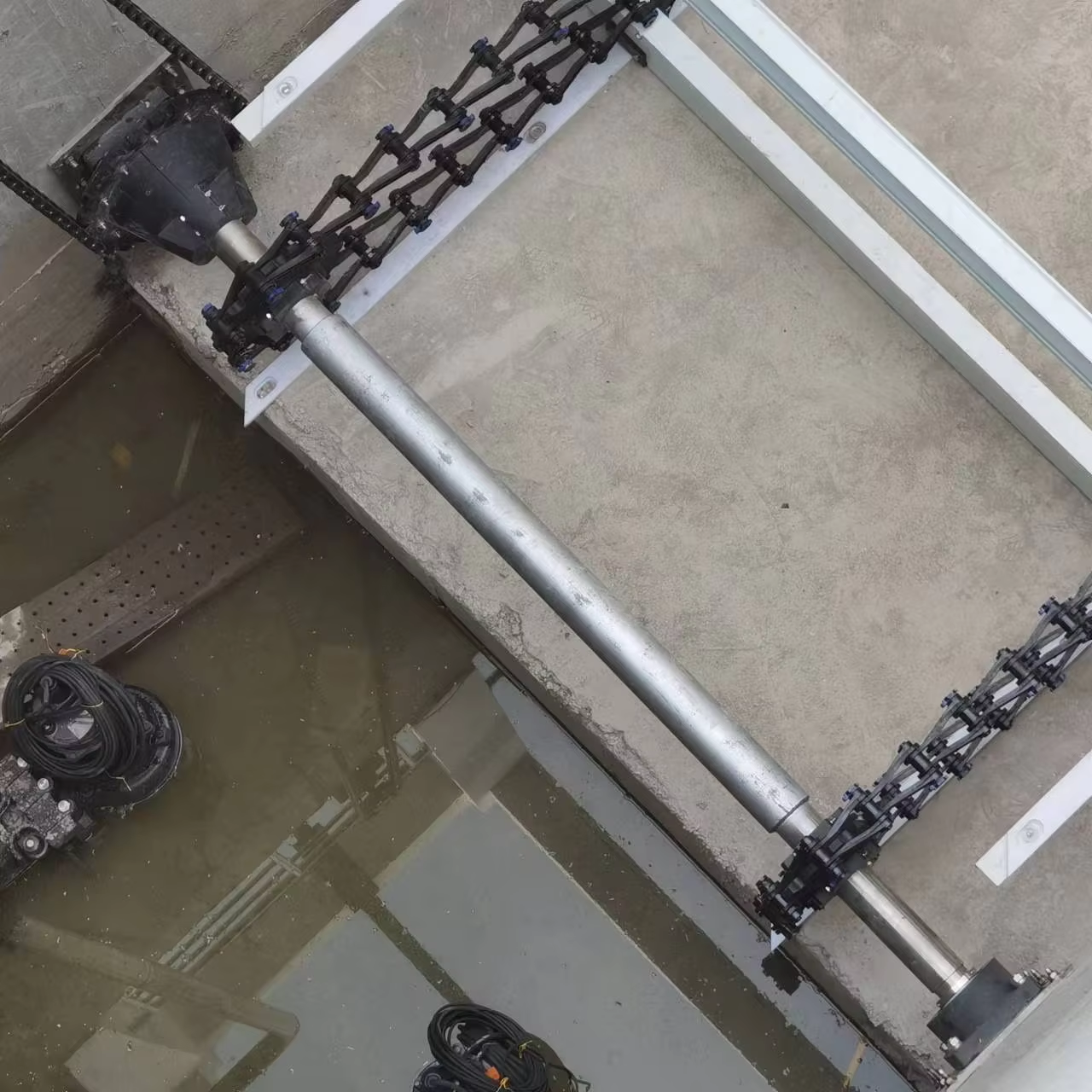
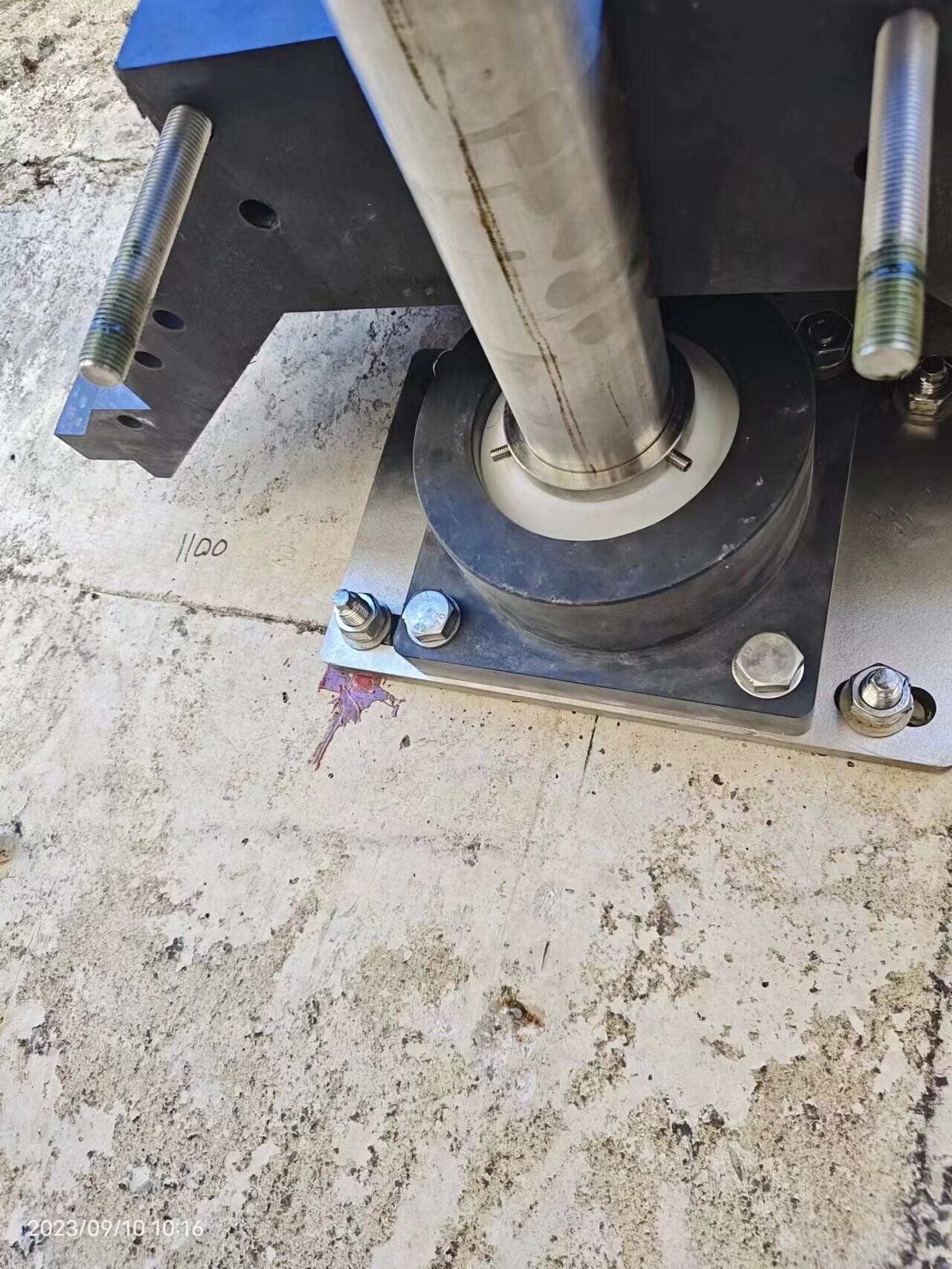
A high-efficiency sludge scraper system is meticulously designed to optimize the primary function of a sedimentation tank: the swift and complete removal of settled solids without causing their resuspension. Its efficiency is a product of several integrated factors. The hydrodynamic design of the scraper flights ensures they collect sludge effectively while minimizing drag and turbulence that can disturb the settled layer. The drive system provides smooth, consistent torque to overcome the resistance of thick sludge without stalling. Many high-efficiency systems are now equipped with intelligent controls, such as programmable logic controller (PLC) interfaces and variable speed drives, allowing them to adjust the scraping cycle based on real-time feedback from sludge blanket level sensors. This prevents unnecessary operation and energy use during low-load periods and ensures rapid response during peak inflows. In a practical setting, this means a plant can handle higher hydraulic or organic loads without expanding tank volume, effectively increasing capacity. It also results in a denser, more consistent sludge concentration being sent for further processing (e.g., digestion, dewatering), which improves the efficiency of those downstream units as well. The high stability and reduced maintenance needs of such a system further contribute to its overall efficiency by minimizing unplanned downtime. Ultimately, a high-efficiency sludge scraper is a key tool for maximizing the throughput, performance, and cost-effectiveness of modern water treatment infrastructure.