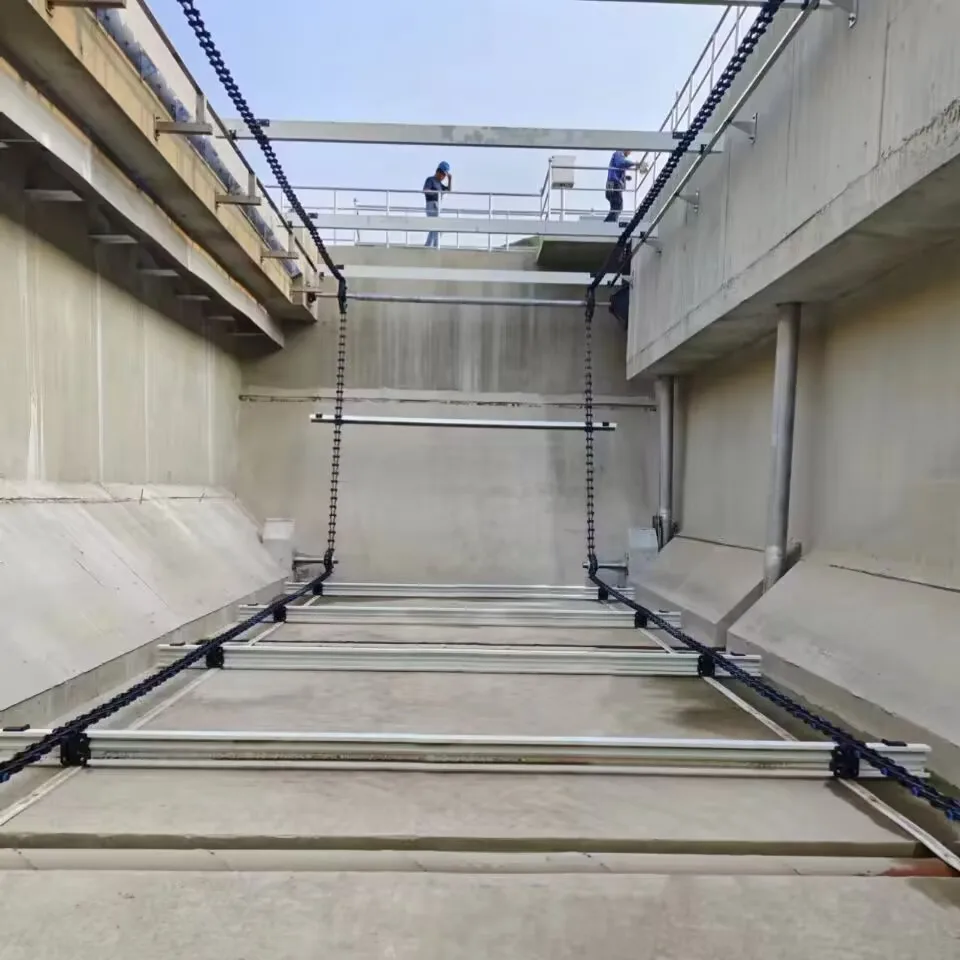
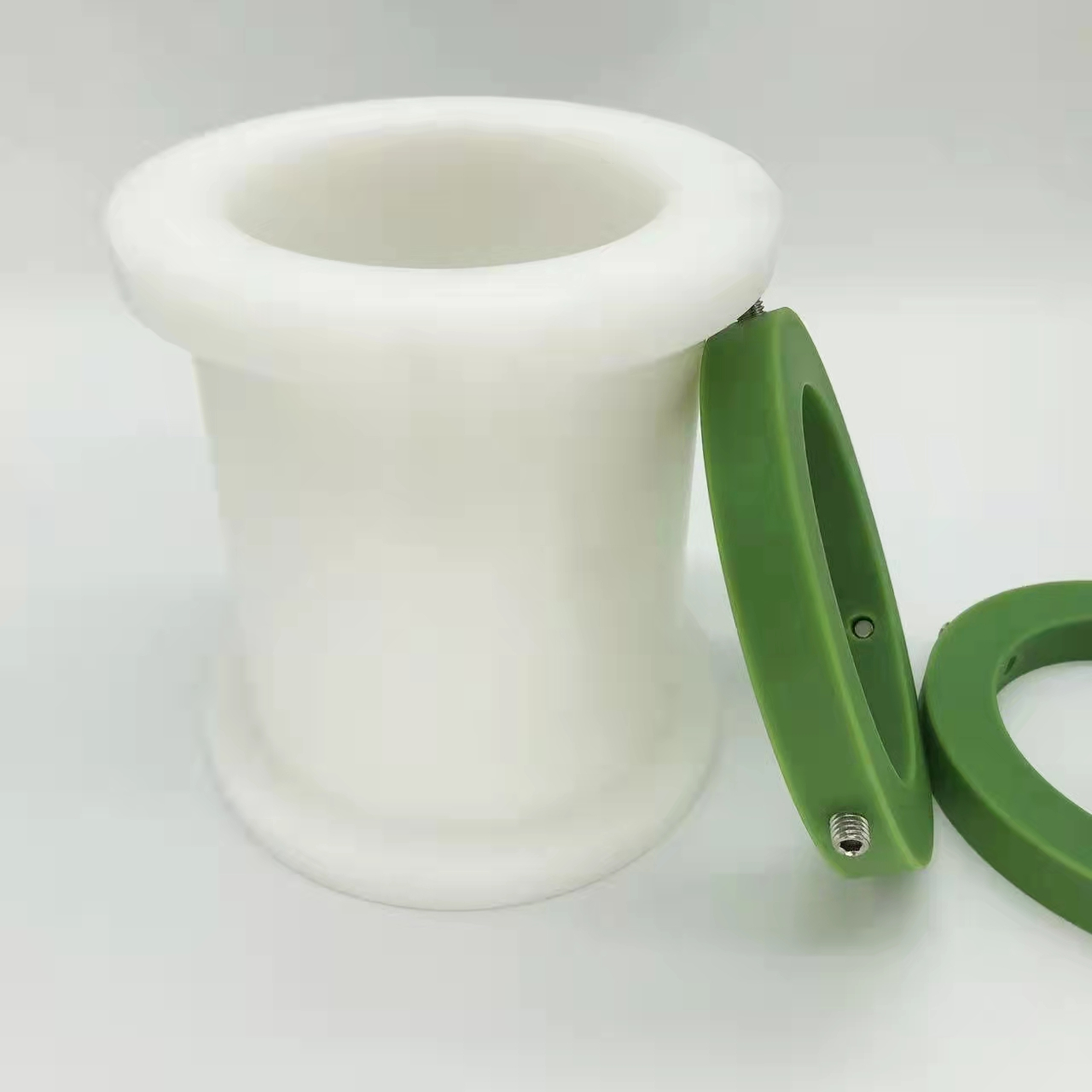
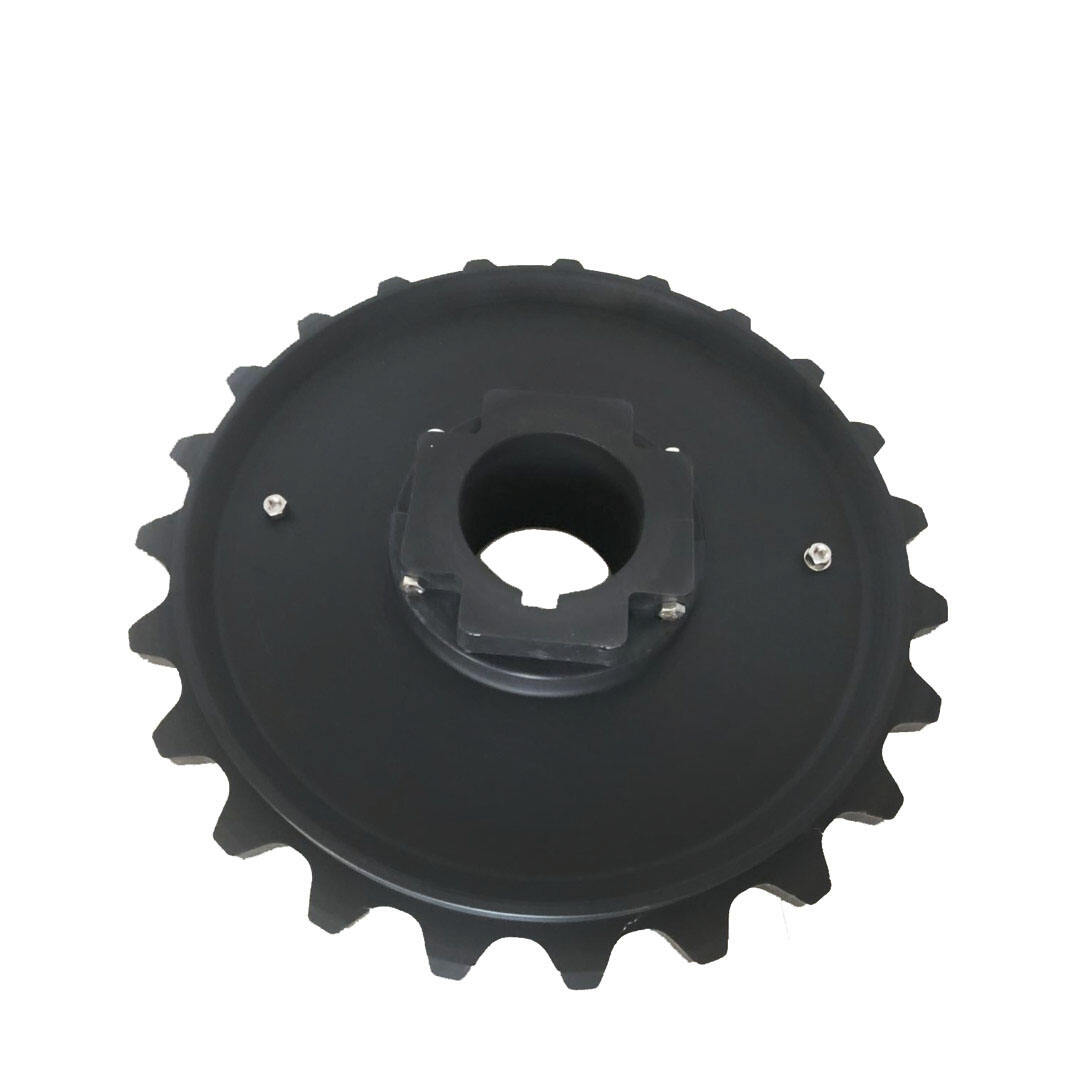
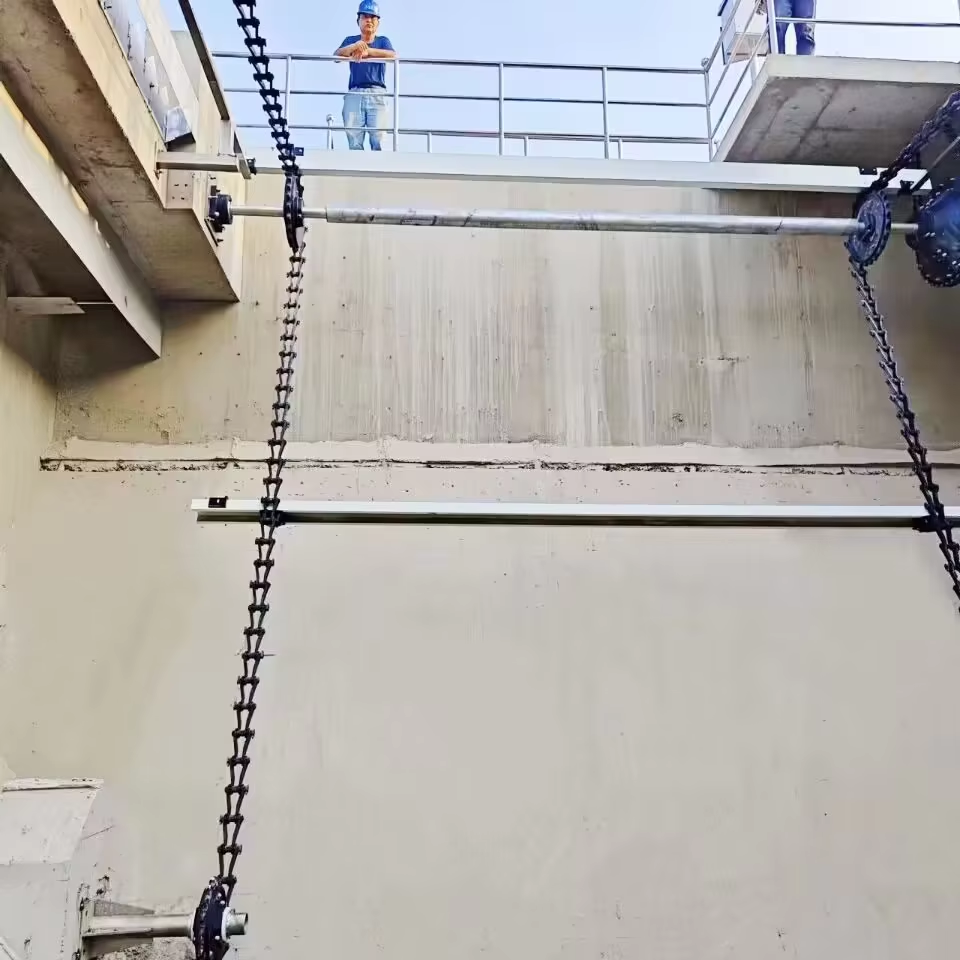
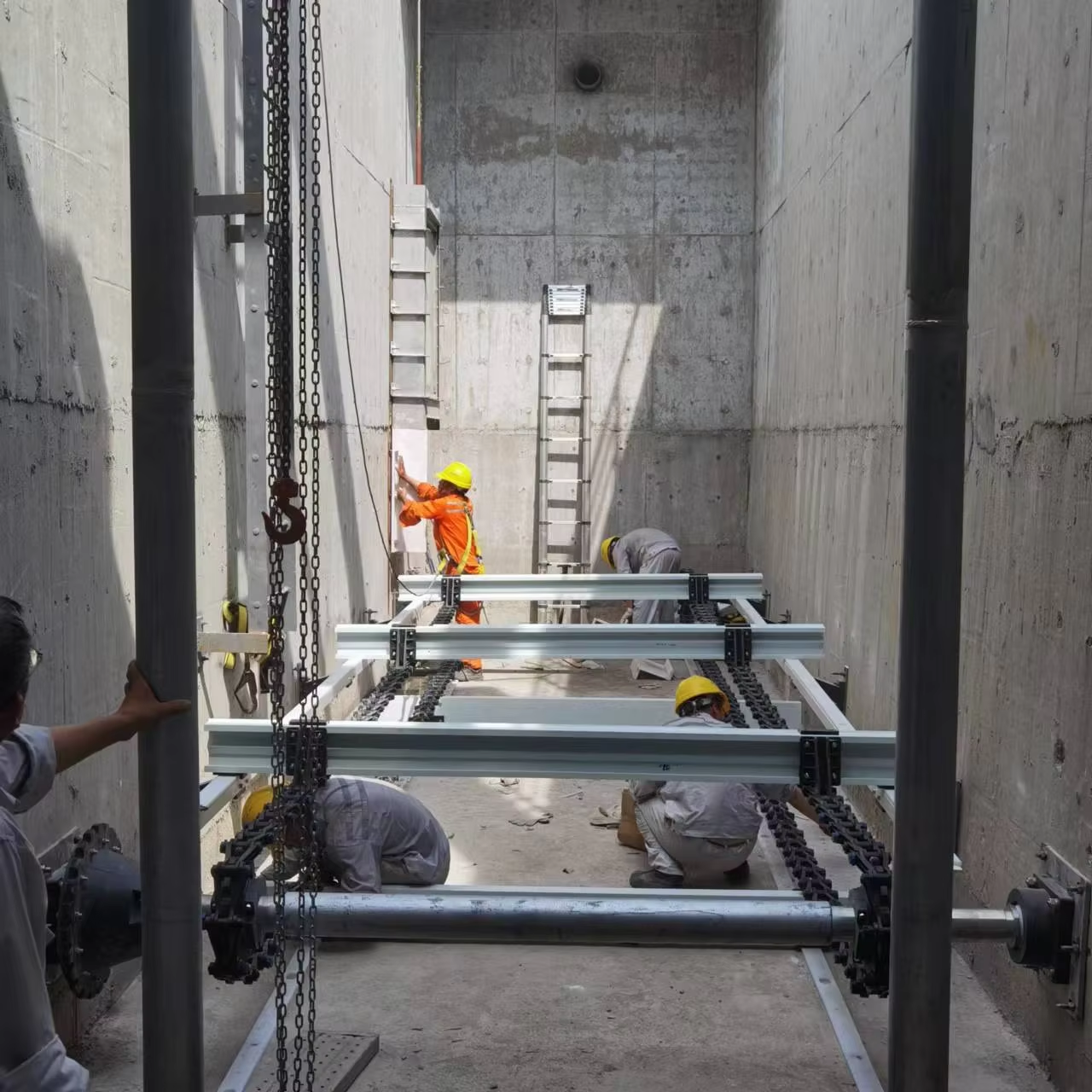
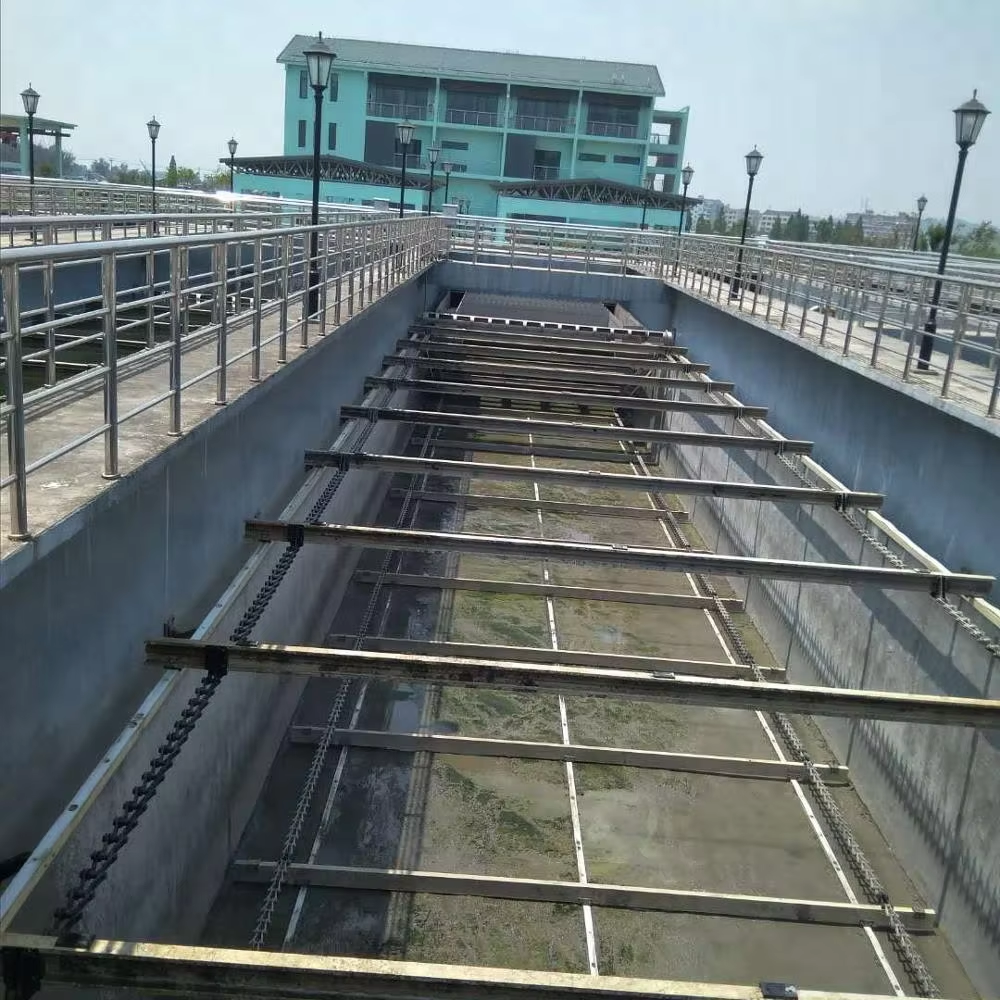
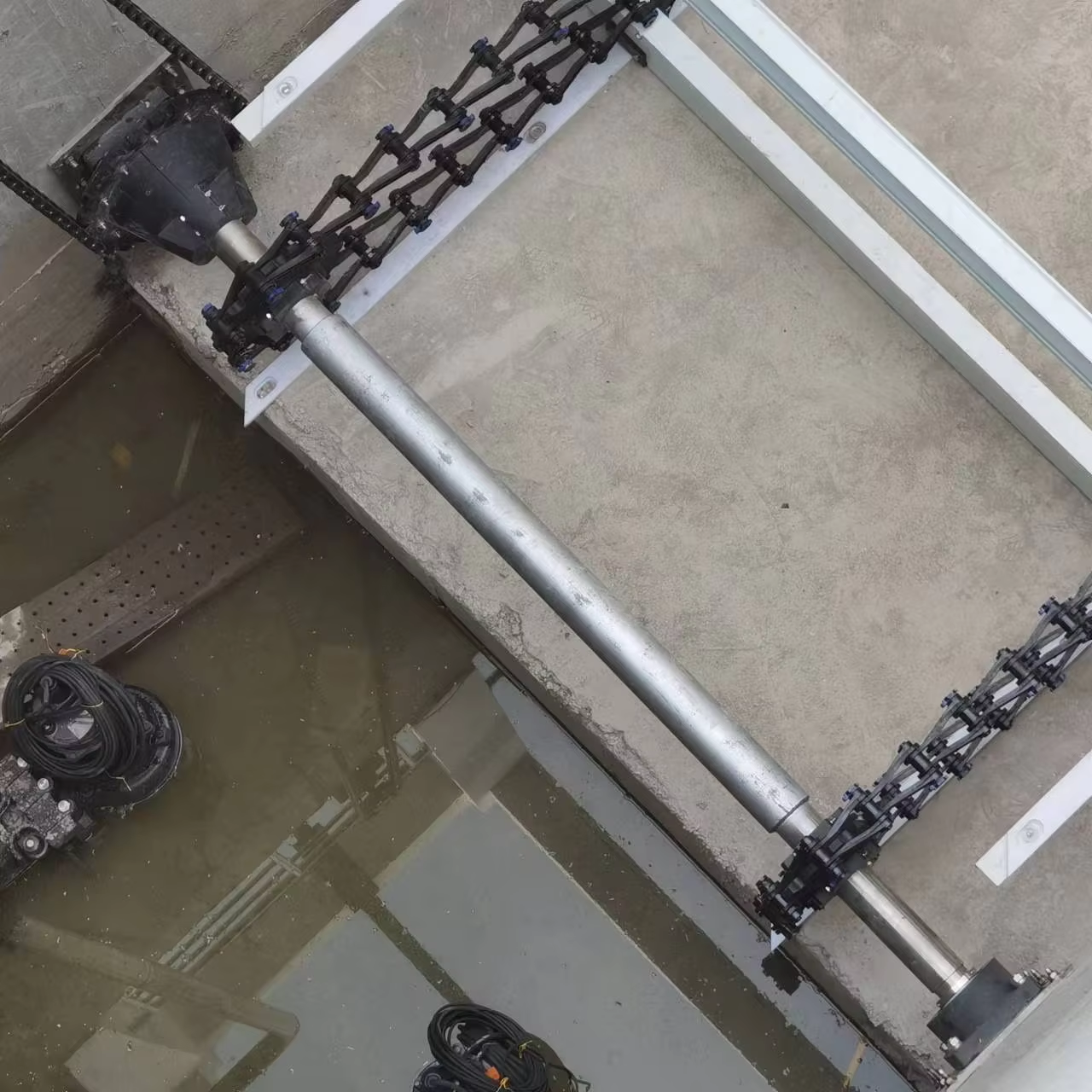
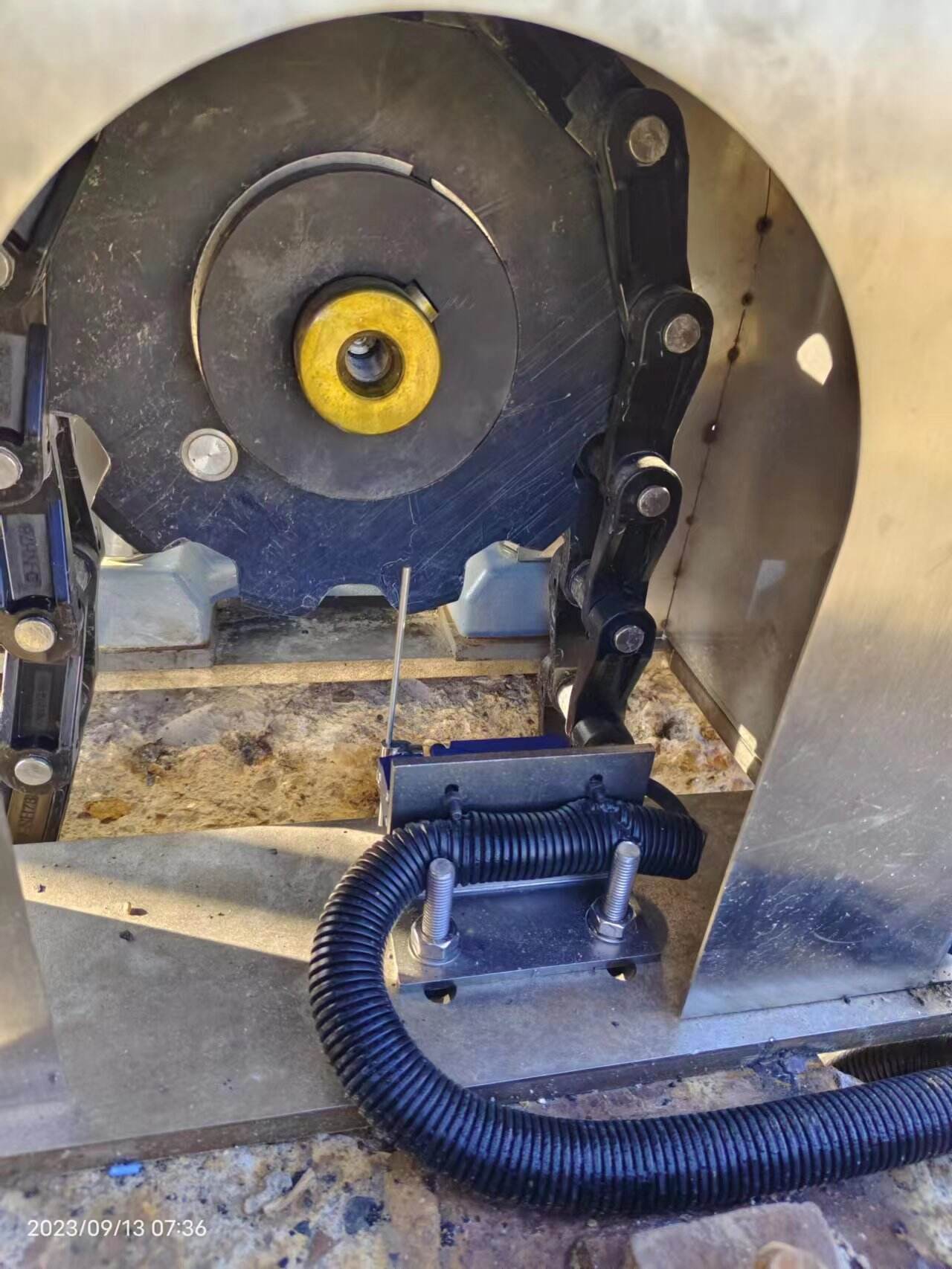
Chemical wastewater scraper systems operate in some of the most demanding environments imaginable, handling sediments laden with acids, alkalis, solvents, heavy metals, and other complex compounds. The paramount design criterion for these systems is extreme chemical resistance to prevent rapid deterioration and failure. Standard stainless steels can be inadequate for many chemical environments, succumbing to pitting and stress corrosion cracking. Therefore, scraper systems for chemical applications are overwhelmingly constructed from advanced non-metallic materials such as high-density polyethylene (HDPE), polypropylene (PP), polyvinylidene fluoride (PVDF), and fiber-reinforced plastics. These materials are selected for their proven inertness to a wide spectrum of aggressive chemicals at varying temperatures and concentrations. In a scenario at a pharmaceutical or specialty chemical manufacturing plant, the wastewater pH can fluctuate wildly and contain aggressive solvents. A metallic scraper would have a severely limited lifespan, requiring constant replacement and causing hazardous downtime. A non-metallic system, in contrast, provides reliable, long-term service with minimal maintenance. Furthermore, the absence of metal ions prevents contamination of the sludge, which can be critical if the sludge requires further treatment or contains recoverable materials. For engineers specifying equipment for chemical wastewater treatment, choosing a scraper system with the appropriate chemical resistance is the most critical factor in ensuring process continuity, safety, and long-term economic operation.