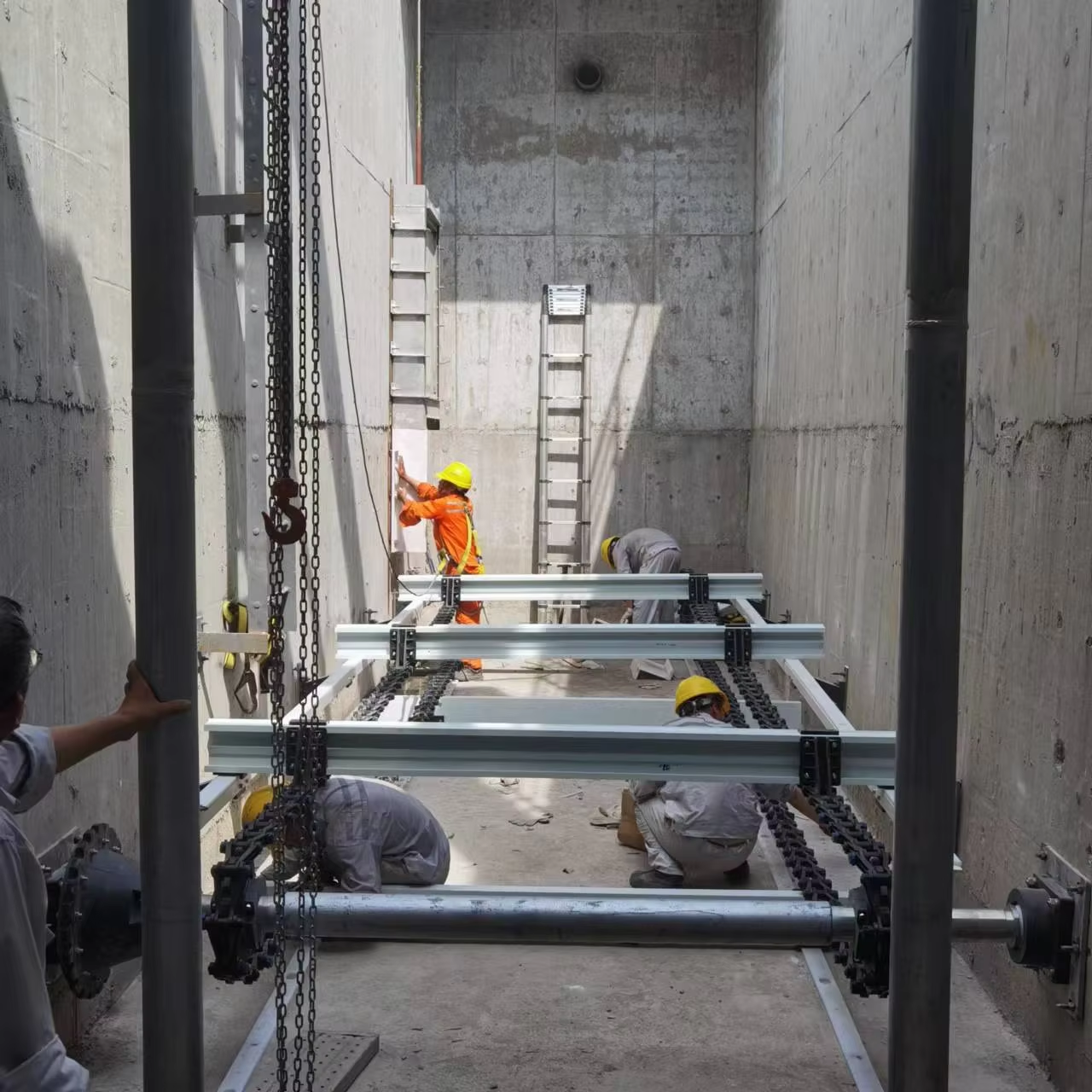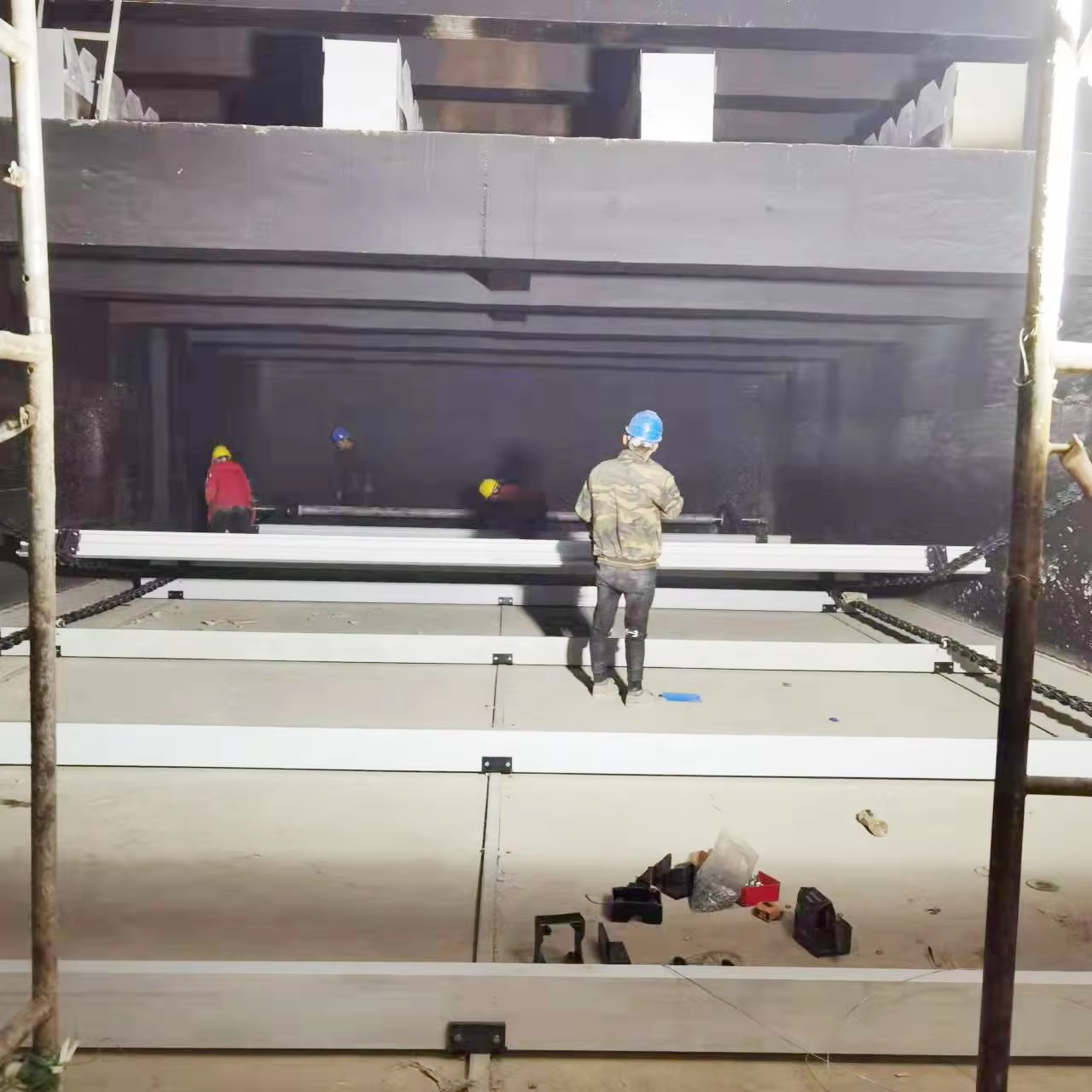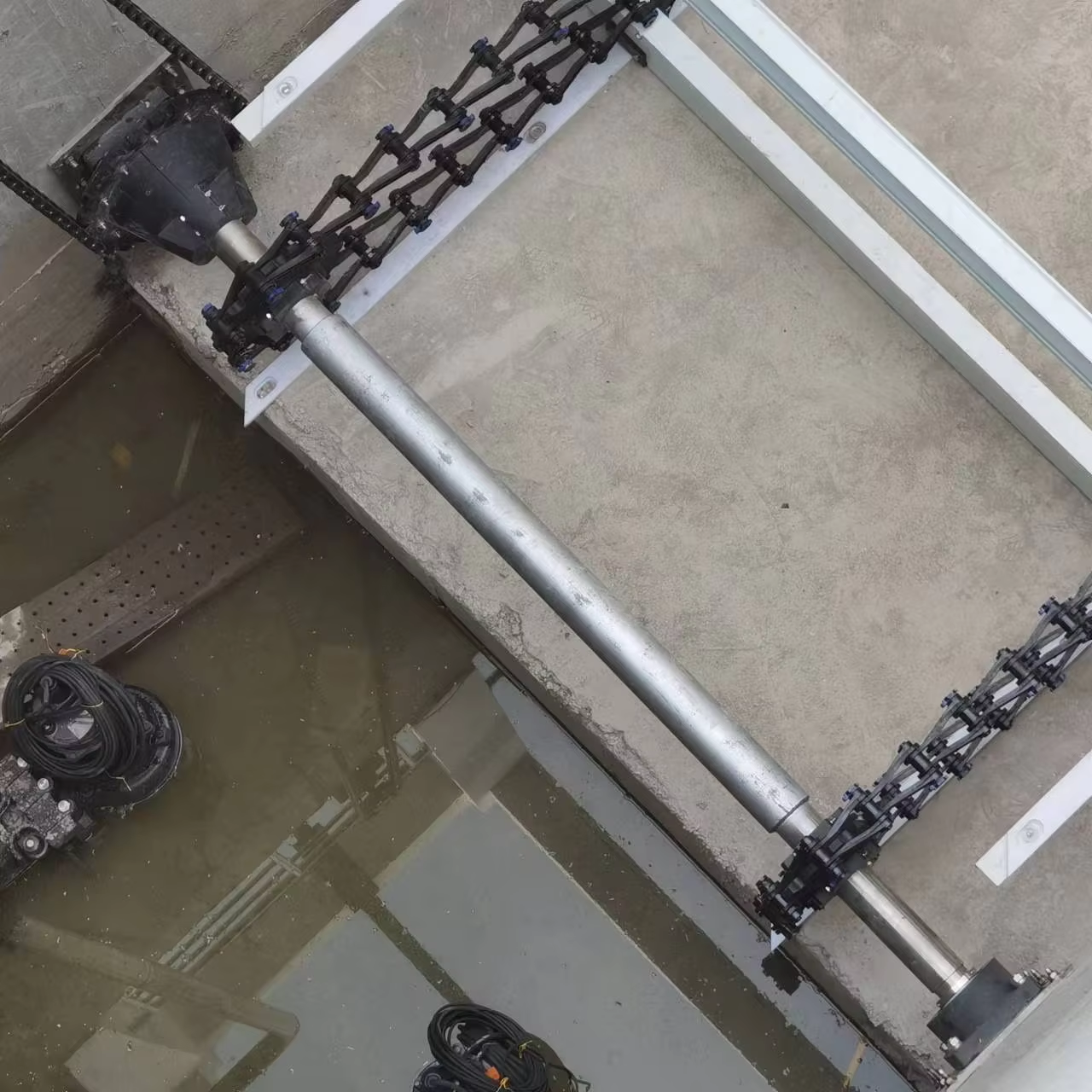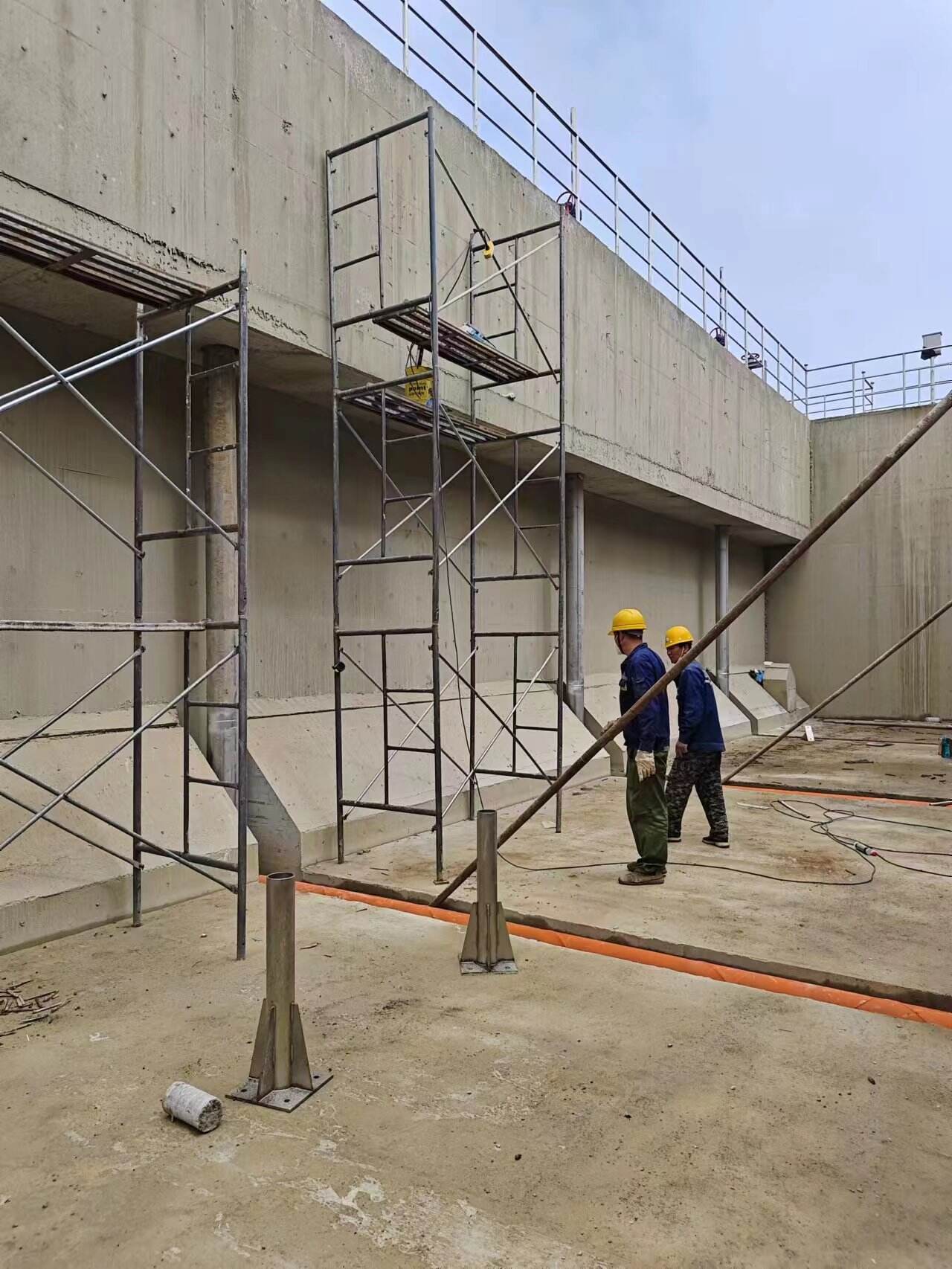
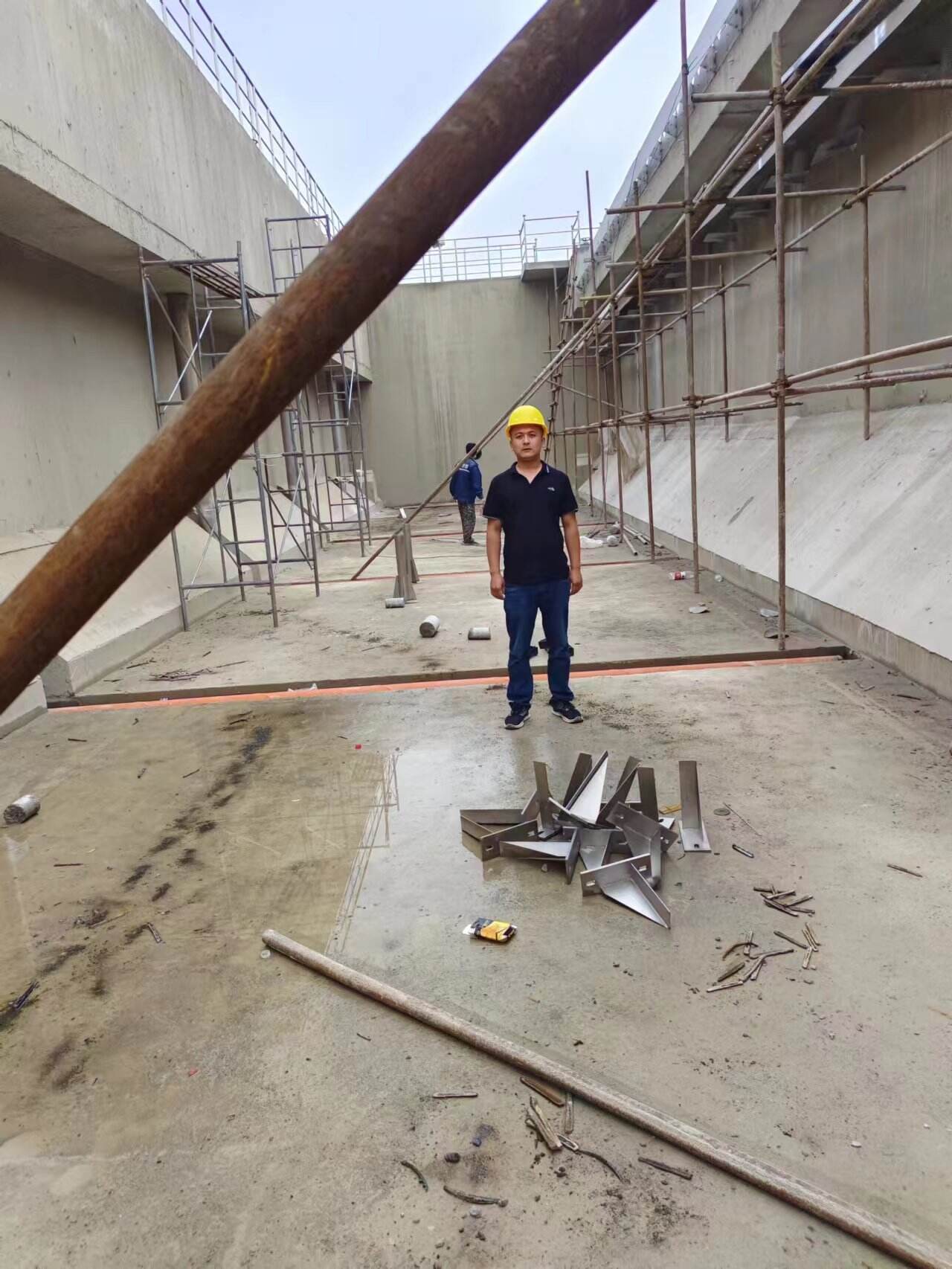
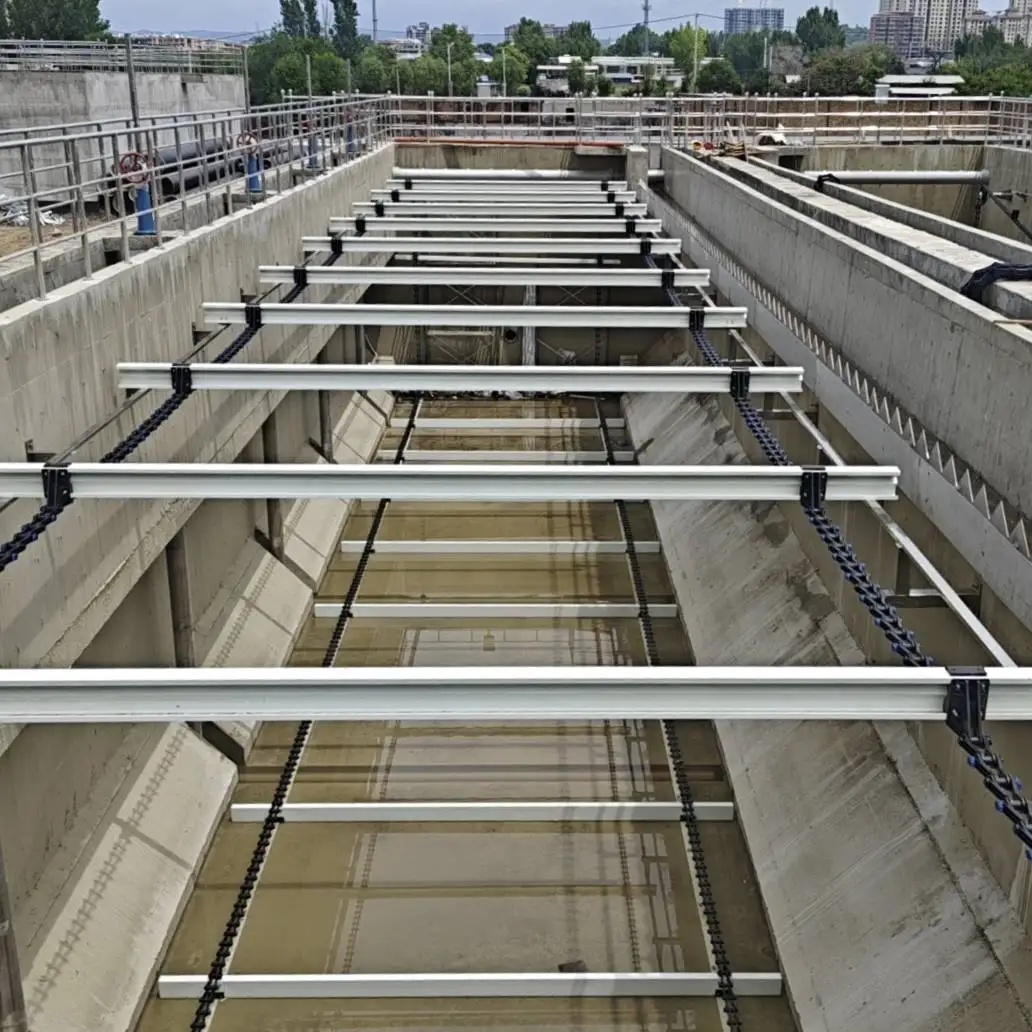
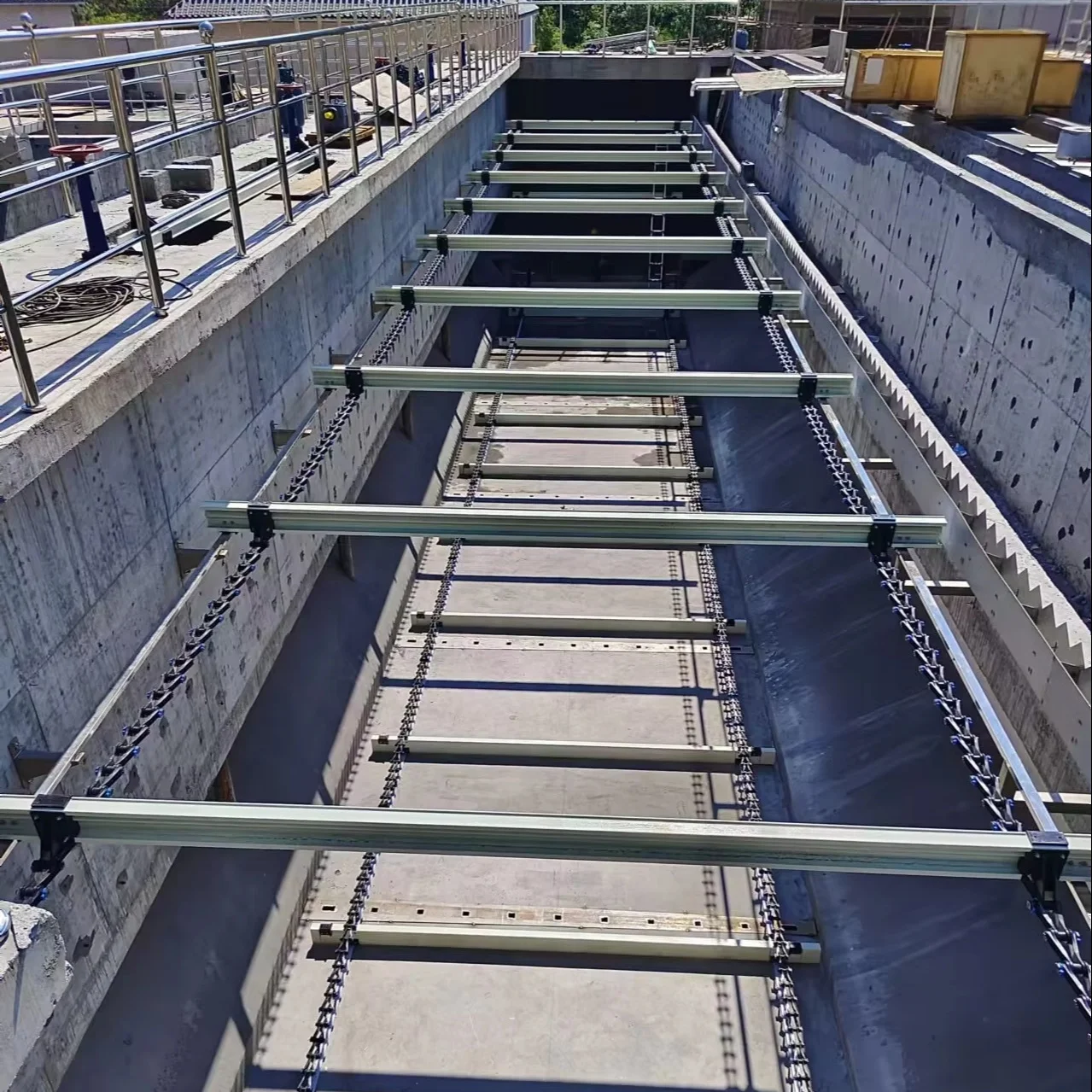
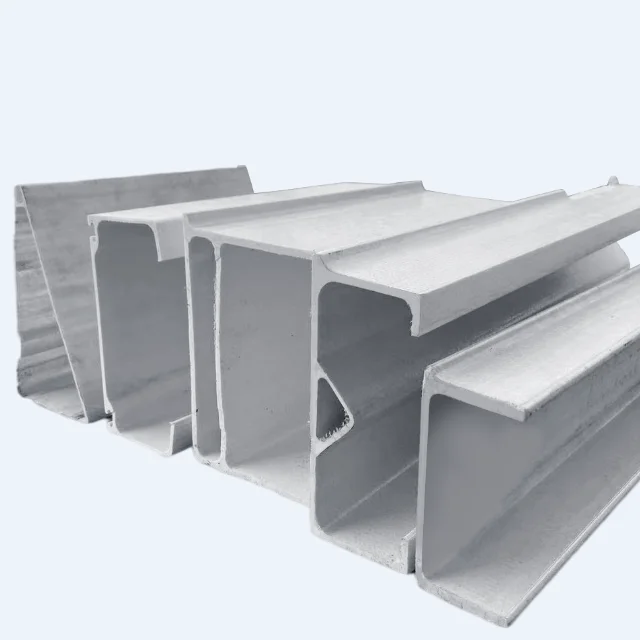
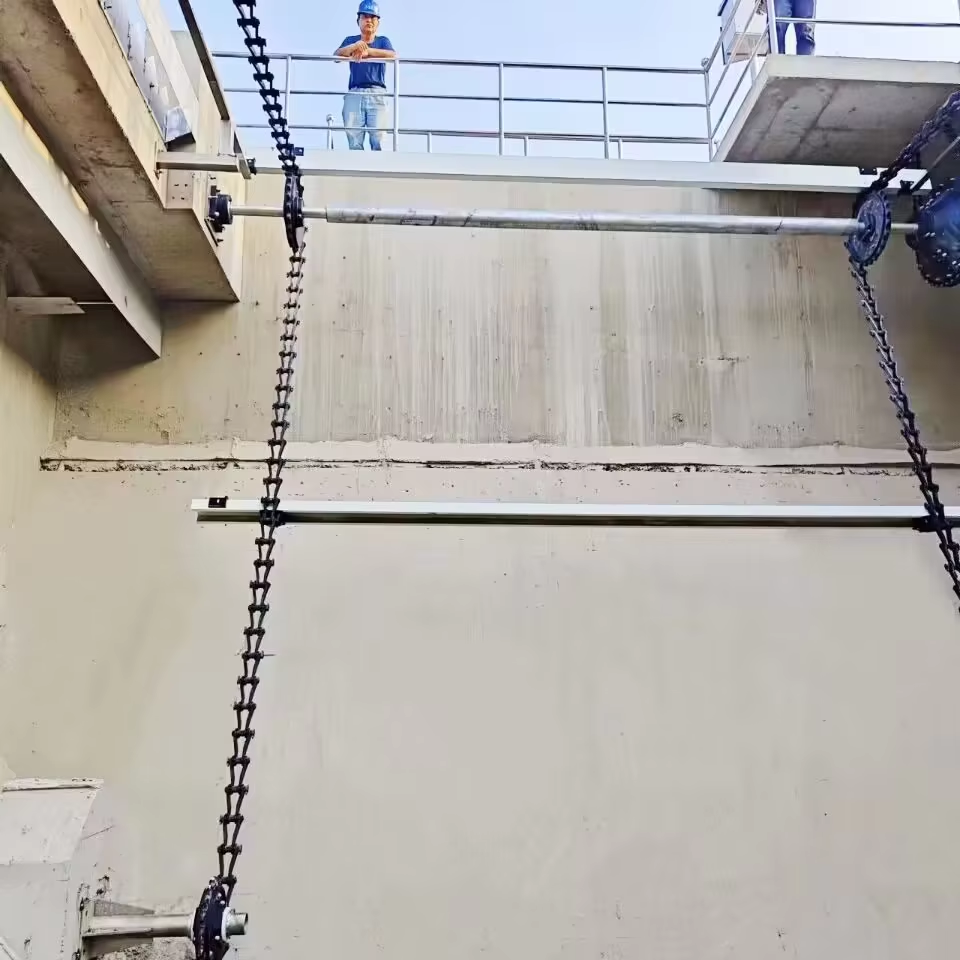
The sewage treatment sludge scraper system is an indispensable mechanical component found in virtually every municipal and industrial wastewater treatment plant across the globe. Its role is to mechanically evacuate the accumulated sludge from the bottom of primary and secondary sedimentation tanks, a process that is fundamental to the continuous operation of the facility. In primary clarifiers, the system handles raw, abrasive, and often corrosive sludge, while in secondary clarifiers, it must gently handle lighter, biological floc without causing shearing and resuspension. The reliability of this system is directly tied to the plant's operational efficiency; a failure can lead to solids buildup, reduced treatment capacity, overflow events, and permit violations. Modern systems are increasingly utilizing non-metallic materials for flights, chains, and sprockets to combat the highly corrosive environment created by hydrogen sulfide and moisture, which rapidly destroys conventional carbon steel. This shift significantly extends service life, reduces maintenance frequency, and lowers life-cycle costs. For a city's public works department, investing in high-quality, durable sludge scraper systems means ensuring regulatory compliance, protecting multi-million dollar treatment infrastructure, and managing public funds effectively through reduced operating and maintenance budgets. It is a critical asset for safeguarding public health and the environment.